
1. You don’t have to pander from Seth Godin’s blog, in which he says, “The reason you don’t have to pander is that you’re not in a hurry and you don’t need everyone to embrace you and your work. When you focus on the weird, passionate, interesting segment of the audience, you can do extraordinary work for a few (and watch it spread) instead of starting from a place of average.”
2. Website designs I like, non-perishable goods and Positively Present‘s new look–both simple and clean, minimalist.
3. Daily Rocks from Patti Digh: your daily rock : love your layers, your daily rock : ignore all critics, and your daily rock : forget about the audience
4. From David Whyte’s poem Out on the Ocean,
Always, this energy smoulders inside,
when it remains unlit,
the body fills with dense smoke.
5. New video from Danielle of one of my favorite songs, The Have Nots.
6. one hundred journeys from Sas Petherick, “The disturbing ugliness and the profound love, the sheer bloody hilarity of being human.”
7. From Geneen Roth, “Peace and contentment are feelings that take practice to achieve. They are not a consequence of being successful or being in love or being thin. They are, among other things, a consequence of stopping in the present moment and looking around.”
8. Why being rash, hasty & stupid is the smartest thing you can do from Alexandra Franzen.
9. The Bigness of God from Julia Fehrenbacher.
10. My Best Mistake: Too Much Success by Gary Vaynerchuk.
11. How to write books and articles more quickly by Cynthia Morris. I will most likely never be this organized, and yet I still aspire to be.
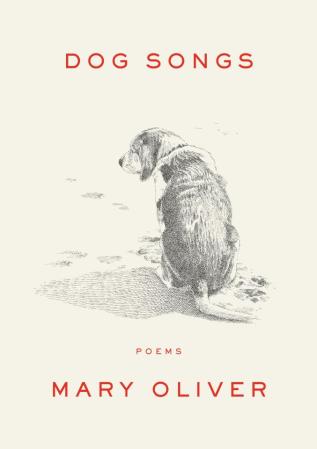
12. Two things that made say “OMG!”: Royal Winnipeg Ballet to debut Margaret Atwood’s “Handmaid’s Tale” next season, and coming out this fall, Mary Oliver’s collection of dog poems, Dog Songs.
13. From Danielle LaPorte, these Daily Truth Bombs, “What do you really want to happen, really?” and “No dream will serve you if you’re forcing yourself to make it happen,” and New Age Judge Judy and Lessons in Yoga Class.
14. From Elephant Journal, 8 Blunt Truths About Becoming a Yoga Instructor,
Complete Protein? Complete Nonsense, The 10 Things You’ll Do Once You Start Yoga That Have Nothing To Do With Yoga, and The Positive Attitude Paradox.
15. A Miniature Bohemian World, which further reveals my love for book filled, messy spaces.
16. Pictures of people who mock me on Salon.
17. Off Camera interview with Aimee Mann.
18. Loveland’s Anthology Book Co. gets new lease on life. Such good news!
19. Masterpiece In A Mug: Japanese Latte Art Will Perk You Up.
20. From Bored Panda: 22 Unbelievable Places that are Hard to Believe Really Exist, (holy wow…), and Dad Illustrates Kids’ Sandwich Bags with Fun Drawings Every Day.
21. I have a crush on Jeff Oak’s writing. I found his blog through another of my writing crushes, Guinevere Gets Sober. The fact that they both understand grief and addiction, and have beautiful black dogs doesn’t hurt one bit.
22. The Spiritual Journey, inner journeys and stories of personal growth.
23. Why you should write daily on Zen Habits.
24. On All the Sentimental Stuff and Clutter from Be More with Less, (speaking of writers I have crushes on who have amazing dogs).
25. This quote from Mark Victor Hansen, “Your belief determines your action and your action determines your results, but first you have to believe.”
26. Manifesto on Basic Goodness on Huffington Post–a plan I can get behind.
26. A Beginner’s Guide to Neil Gaiman.
27. The Conversation is back! Well, sort of. There are two new, short interviews–better than nothing!
28. In celebration of being ordinary, from Jennifer Louden.
29. Finding a New Rhythm from Jen Lee in which she says,
It’s funny because the old-school approach to getting work done–the entrepreneurial, management-style approach–says that if we start clearing our spaces or wanting to read in bed, we’re just avoiding our work. That we should “push through” and keep in motion.
But that approach has never worked for me in the realm of creative work. Clearing space and resting are as essential to my productivity as the sun and water parts are for growing plants.
30. plumb the depths 26 questions for pure insight from Kylie on effervescence, the art of liking yourself. Also on effervescence, why it’s not selfish to make art…that’s just for yourself.
31. 30 DIY Ideas How To Make Your Backyard Wonderful This Summer. I probably won’t do any of them, but they are awesome, (especially the backyard beach and the tents).
32. Shared by Positively Present, 33 Dogs That Cannot Even Handle It Right Now and Alison Brie mimes your favorite memes.
33. From Susannah’s Something for the Weekend post, 30 Abandoned Places that Look Truly Beautiful and Sneak Peak: Paula Mills and Family, a beautifully designed living space.
34. I am in love with this treehouse.
35. This can still happen anywhere.
36. Shared by Stephanie in her Weekend Treats post, Self-Care Is Not A Punishment and 29 Ways to Stay Creative: Start with Darkness.
37. The calming manatee.
38. 39 Reasons Why You Must Read In Order to Write Well, shared by The Mojo Lab.
39. Writing advice from writers handwritten on writers’ hands [14 pictures]
40. Expiration Date by Lisa Bonchek Adams. Lisa’s story, her telling of it keeps breaking my heart, and sometimes I think it would be better to look away, to stop following her, to stop watching and reading, checking in and waiting, that it would somehow be a healthier choice, a saner option to disengage. But then I realize “Lisa is dying.” Someone’s mother, wife, sister, daughter, friend is dying. She may not be literally mine, and yet she IS mine, and for that reason, I won’t look away, won’t unsubscribe or ignore or wish it away. I will be a loving and kind witness to her reality, which in the end is the same for all of us.
41. The most difficult practice of all, from Susan Piver–“stop feeling bad about yourself.”


 Open Space Practice, (AKA: A Thousand Shades of Gray)