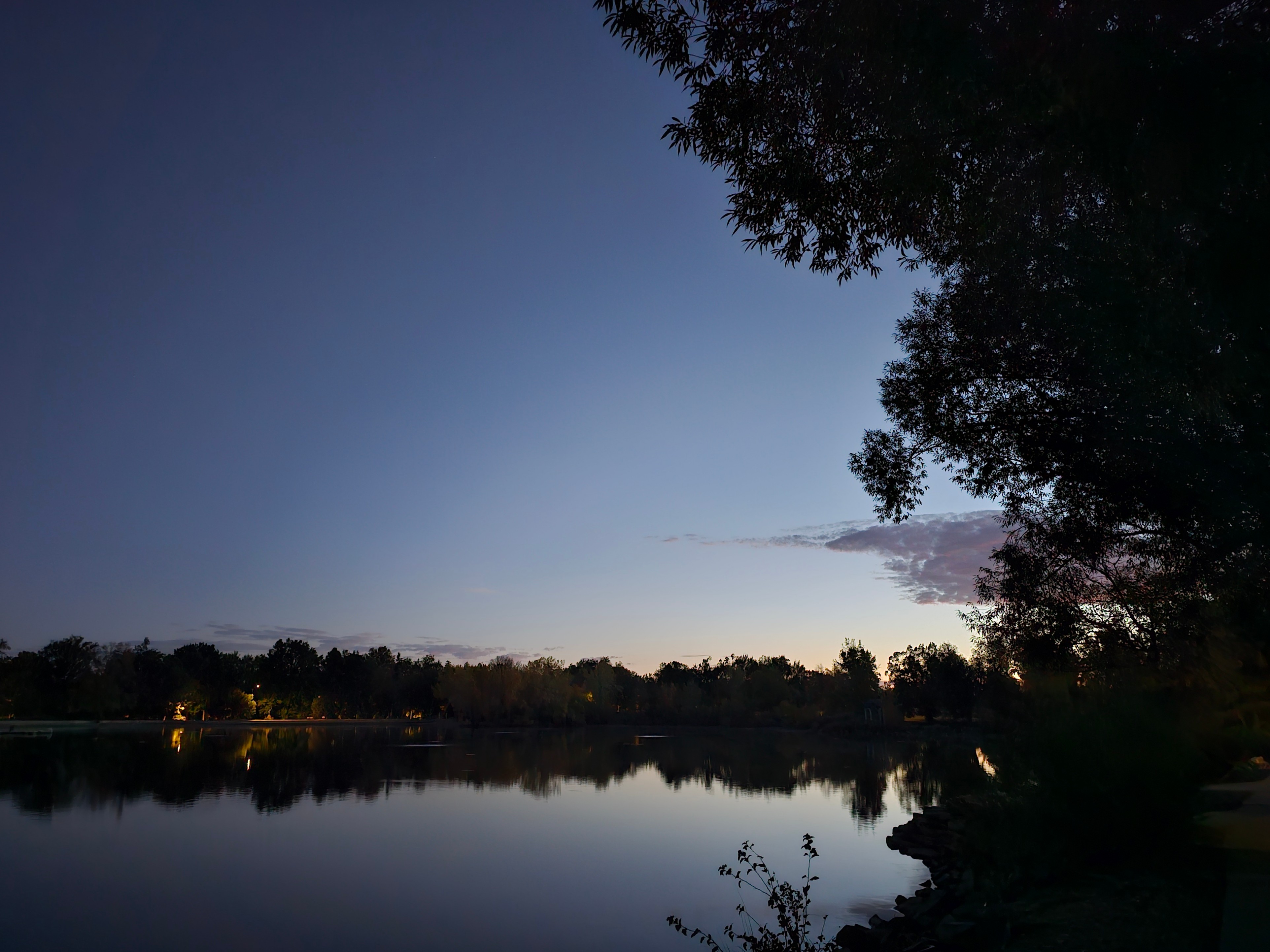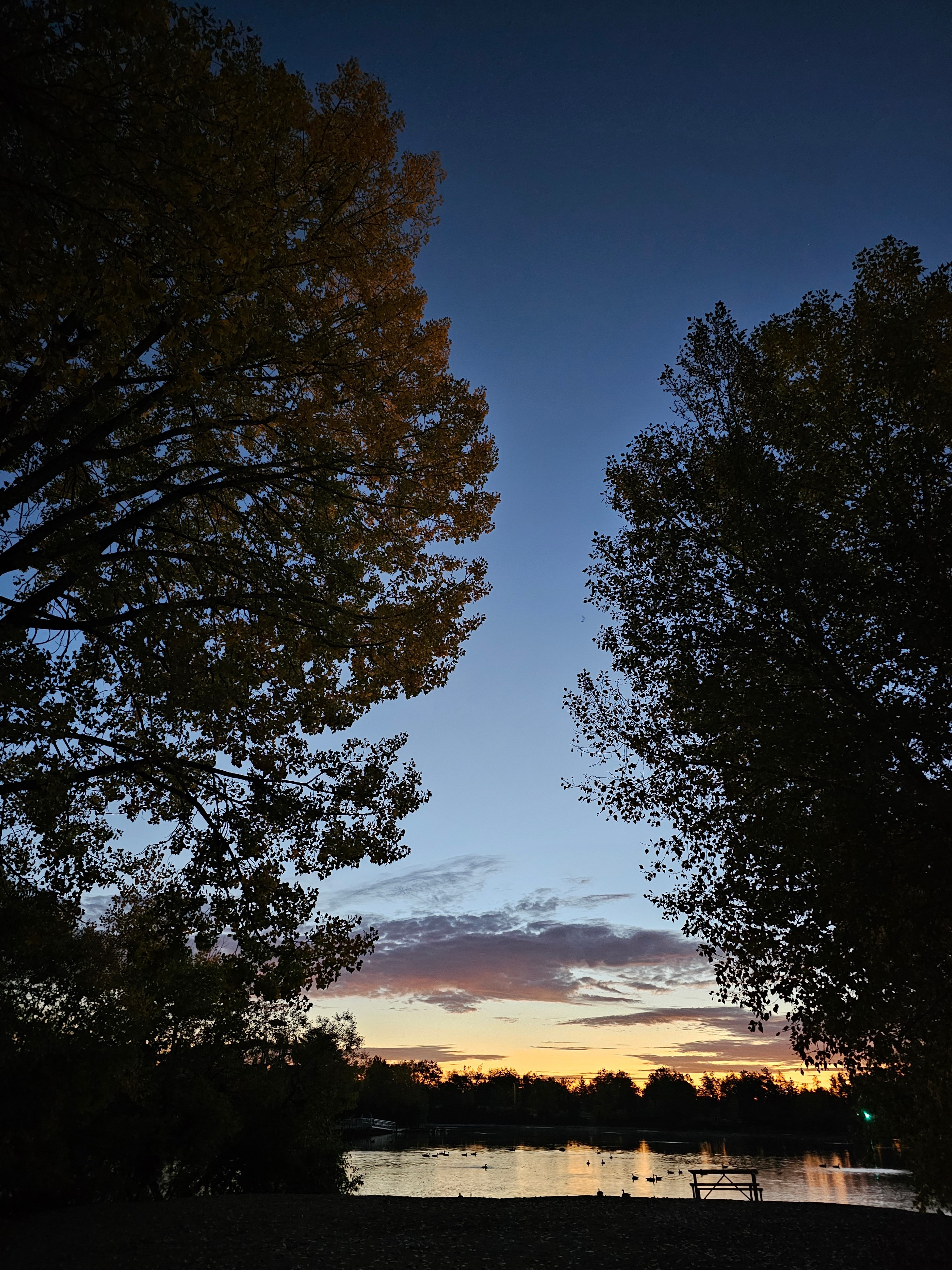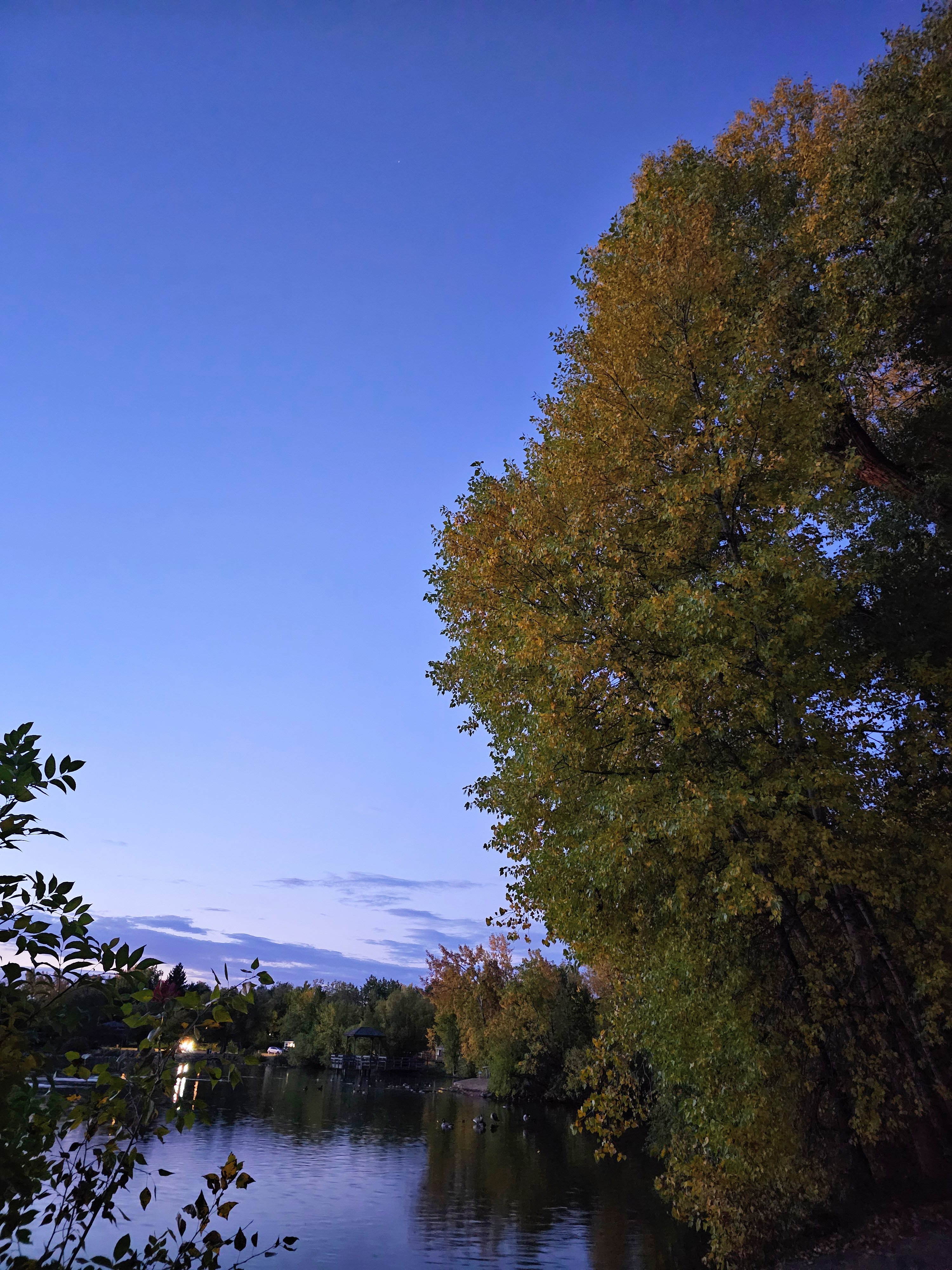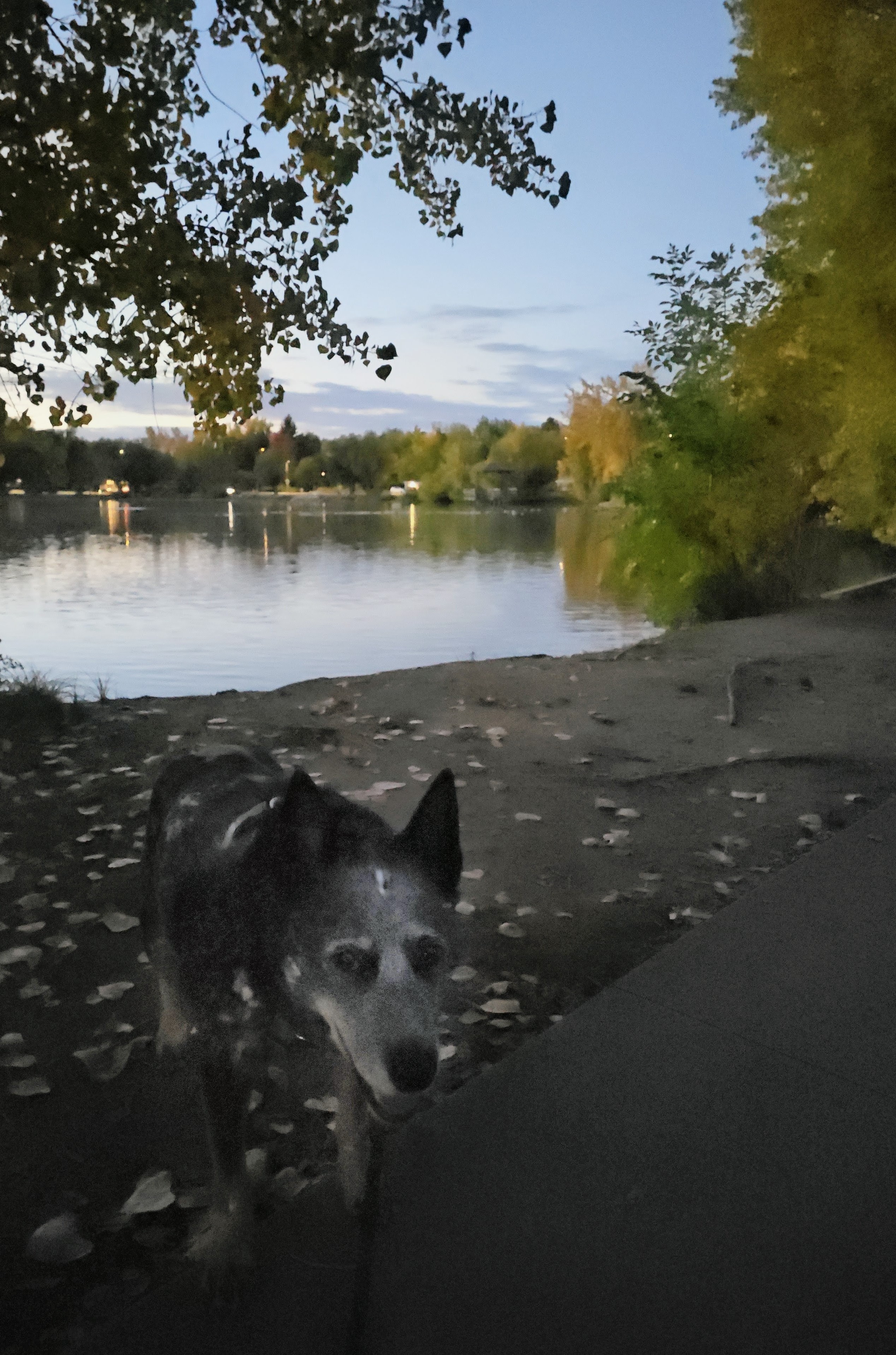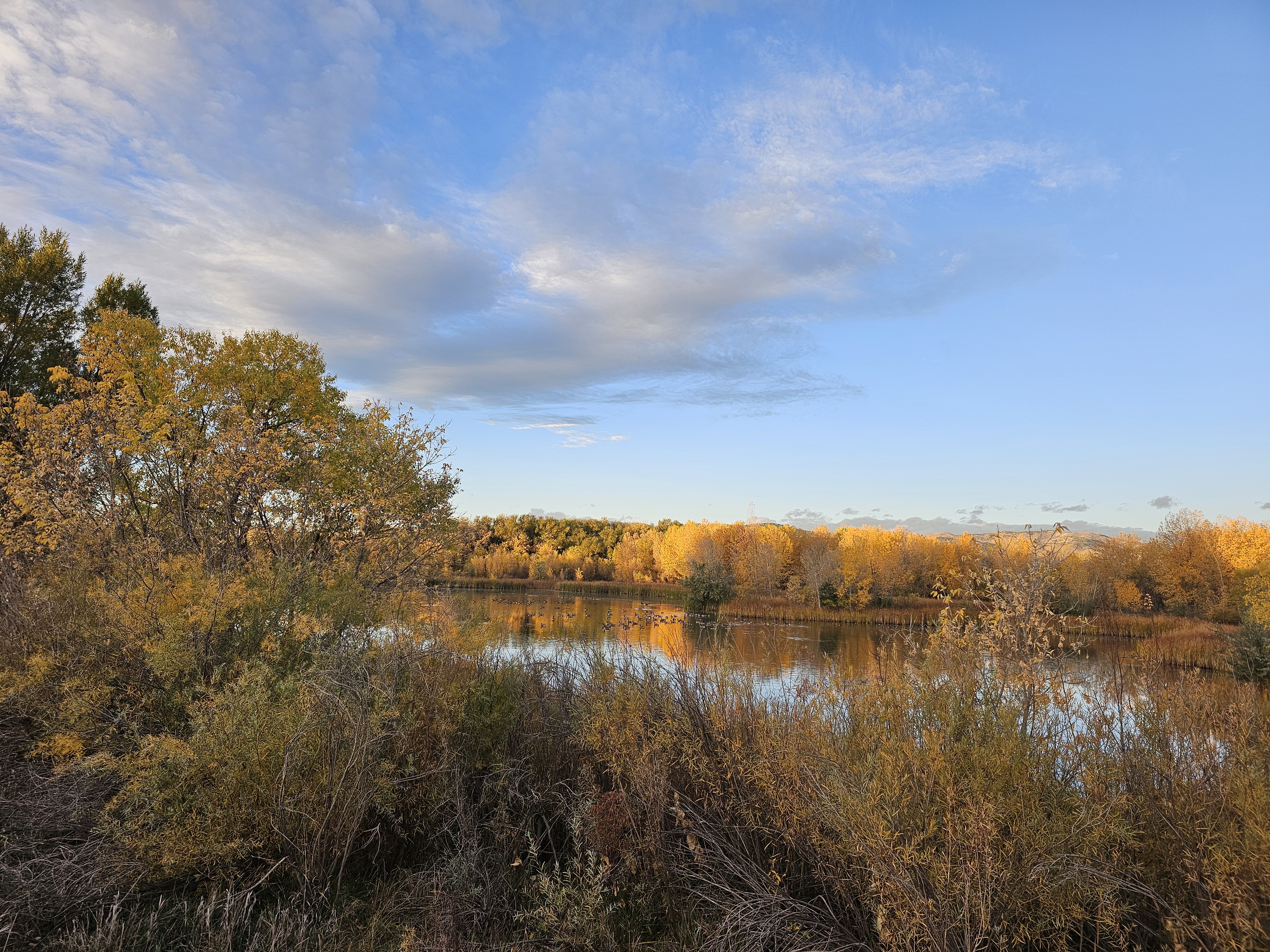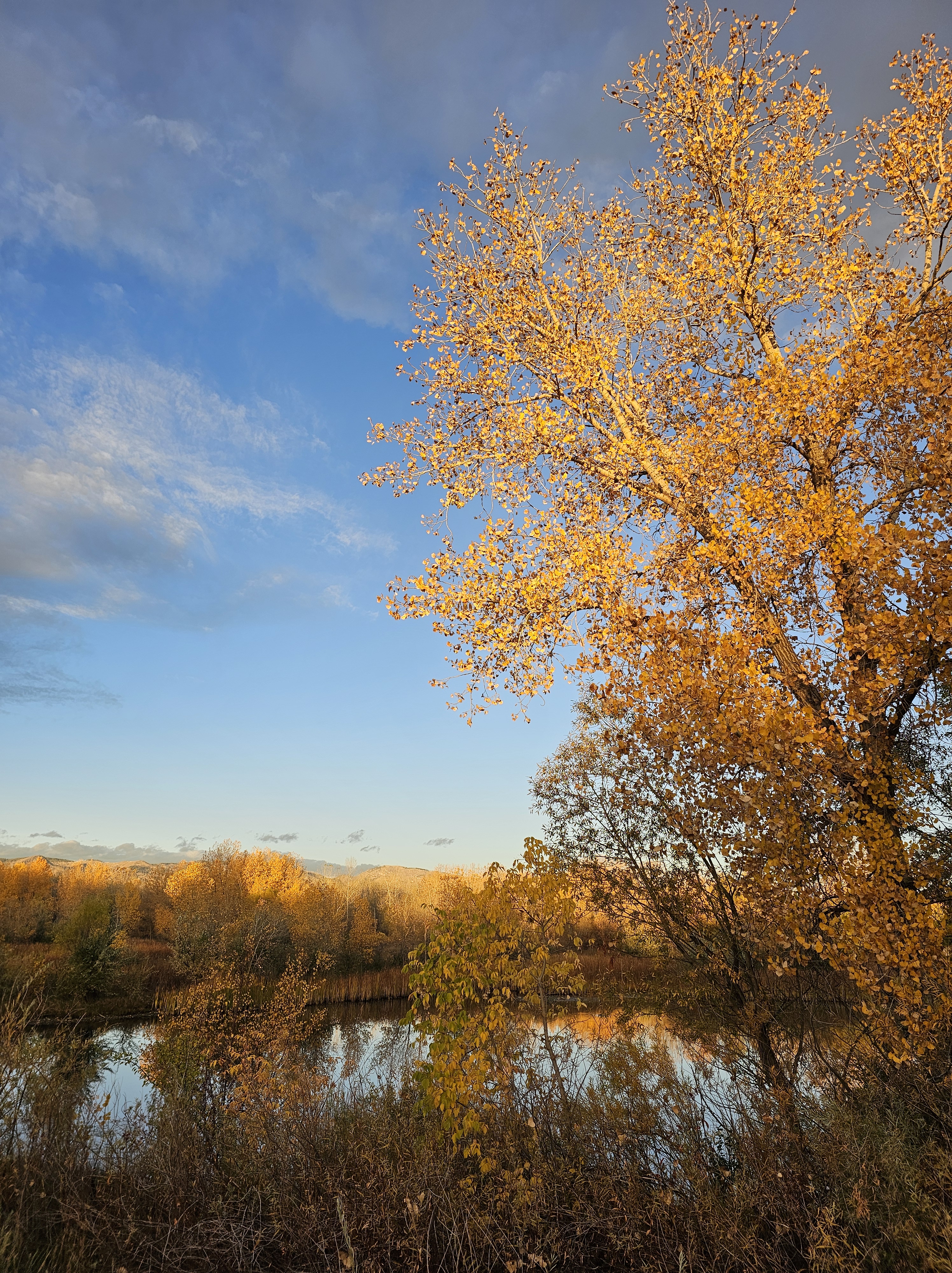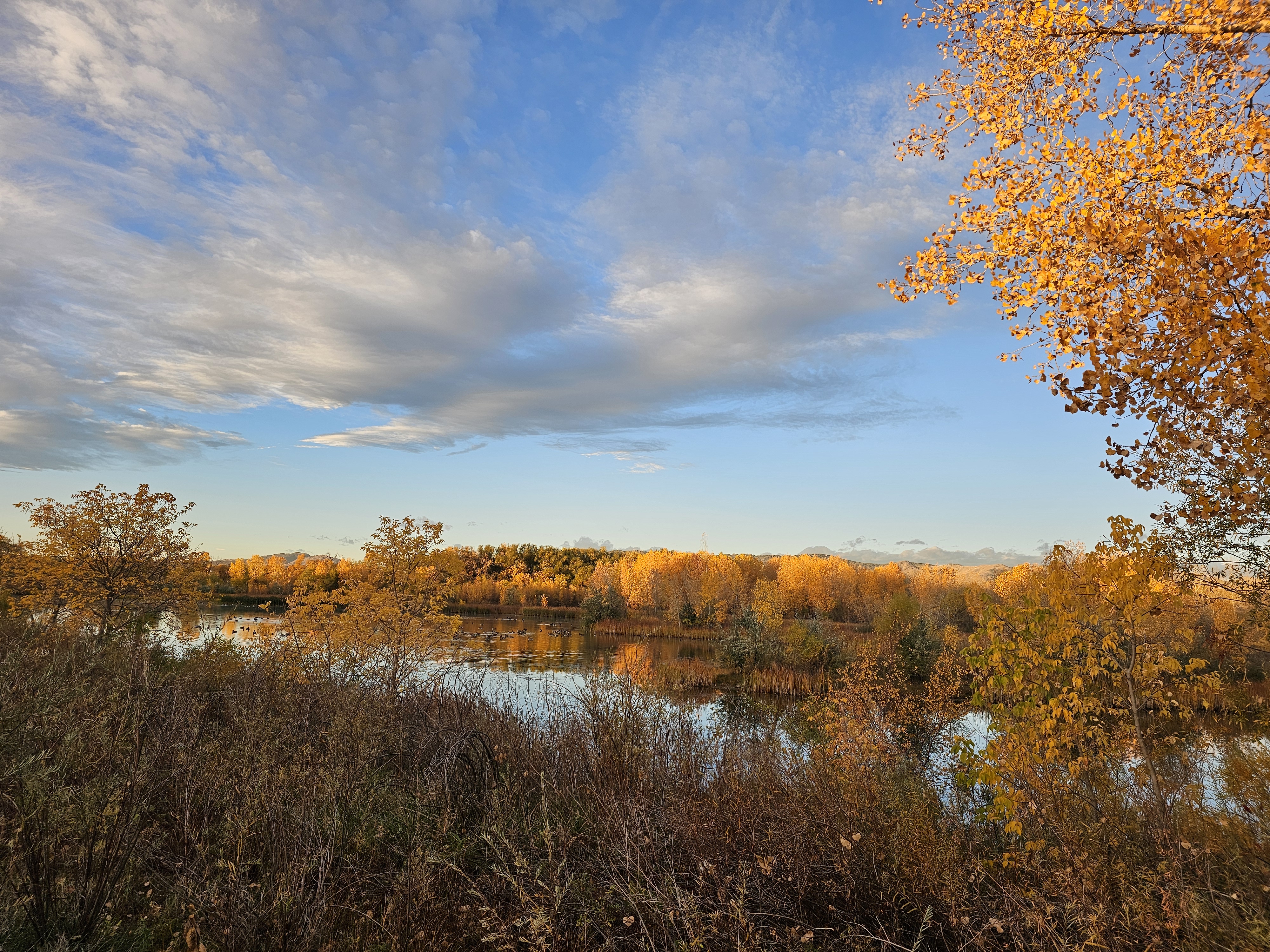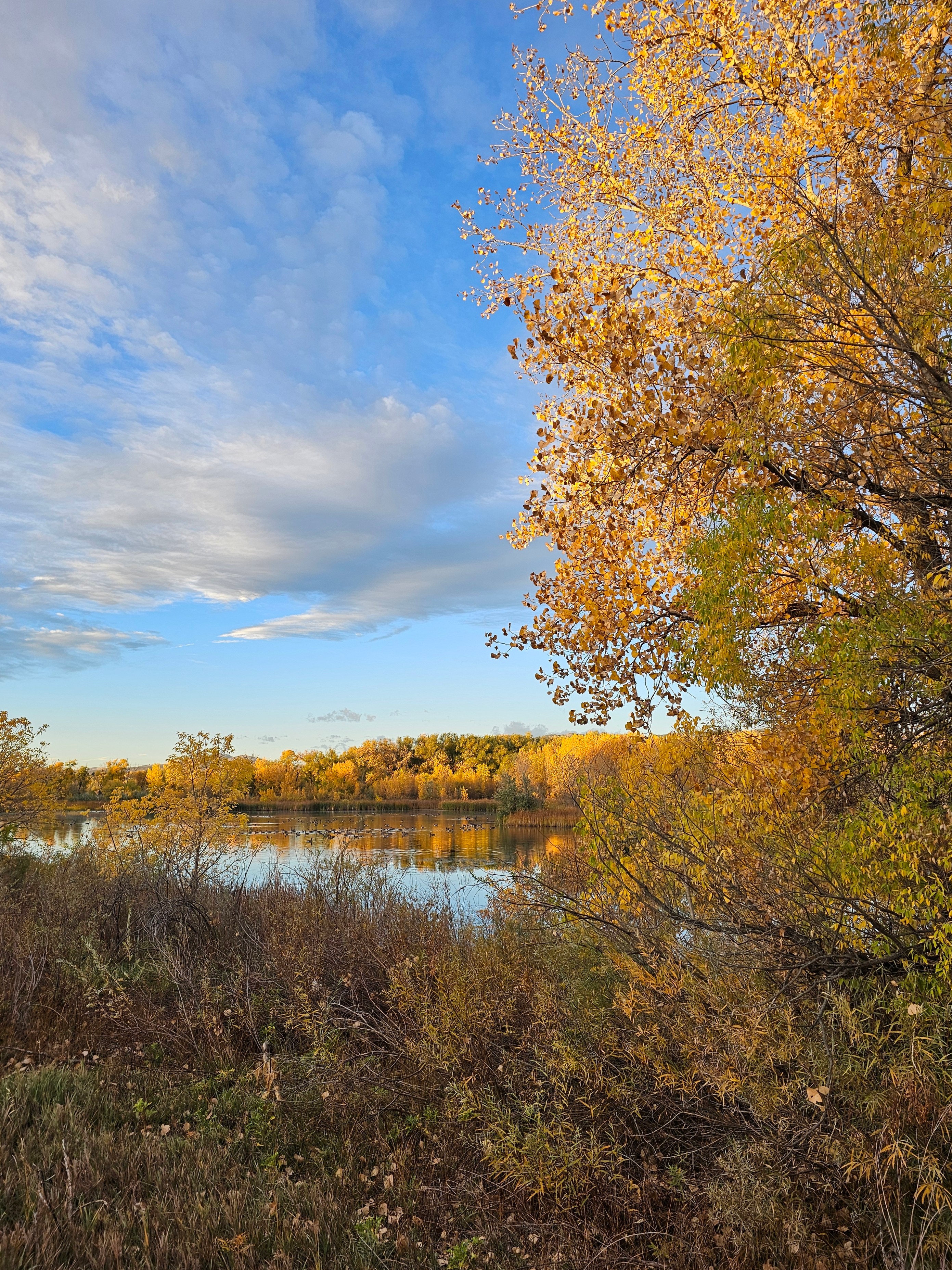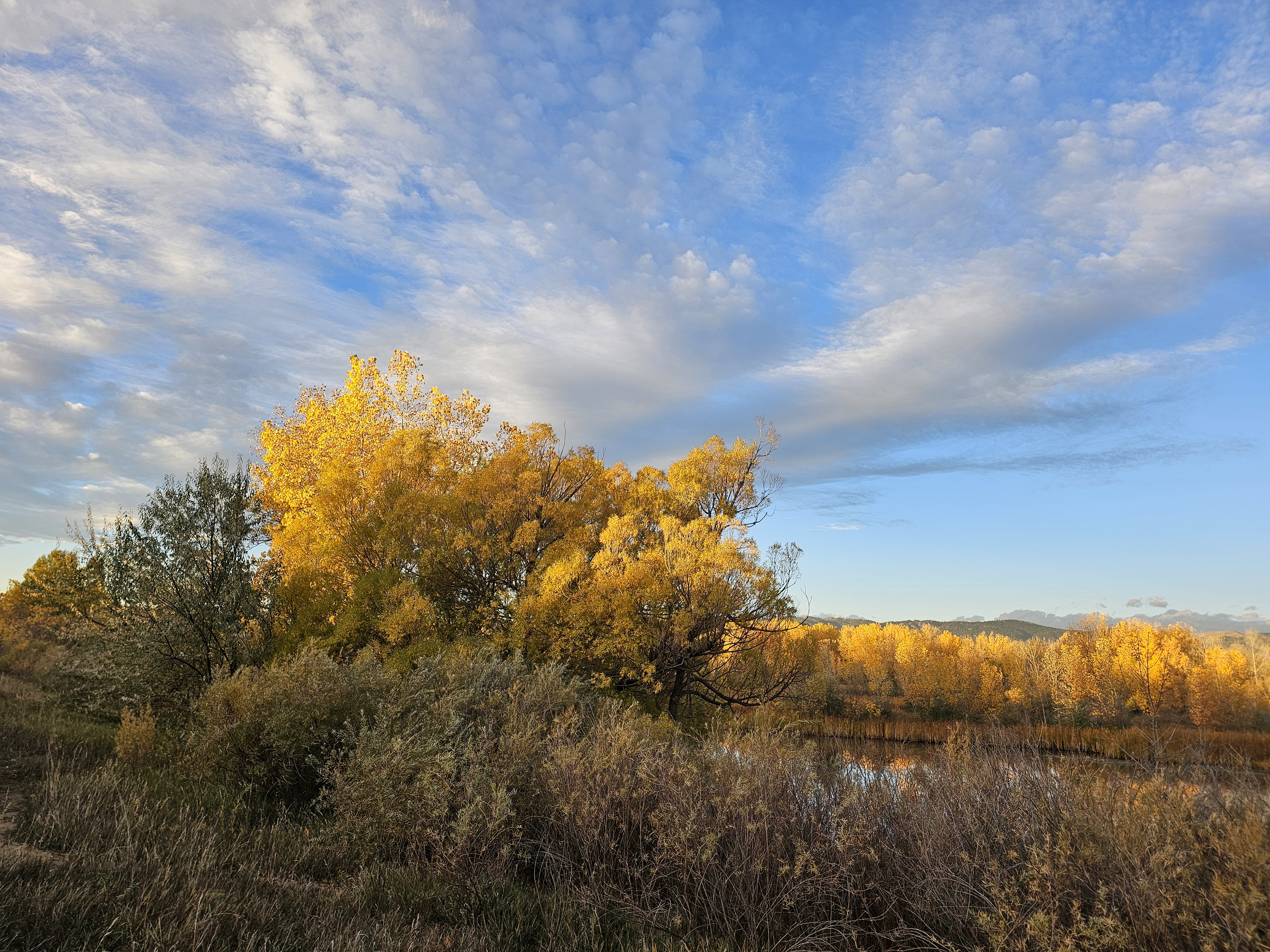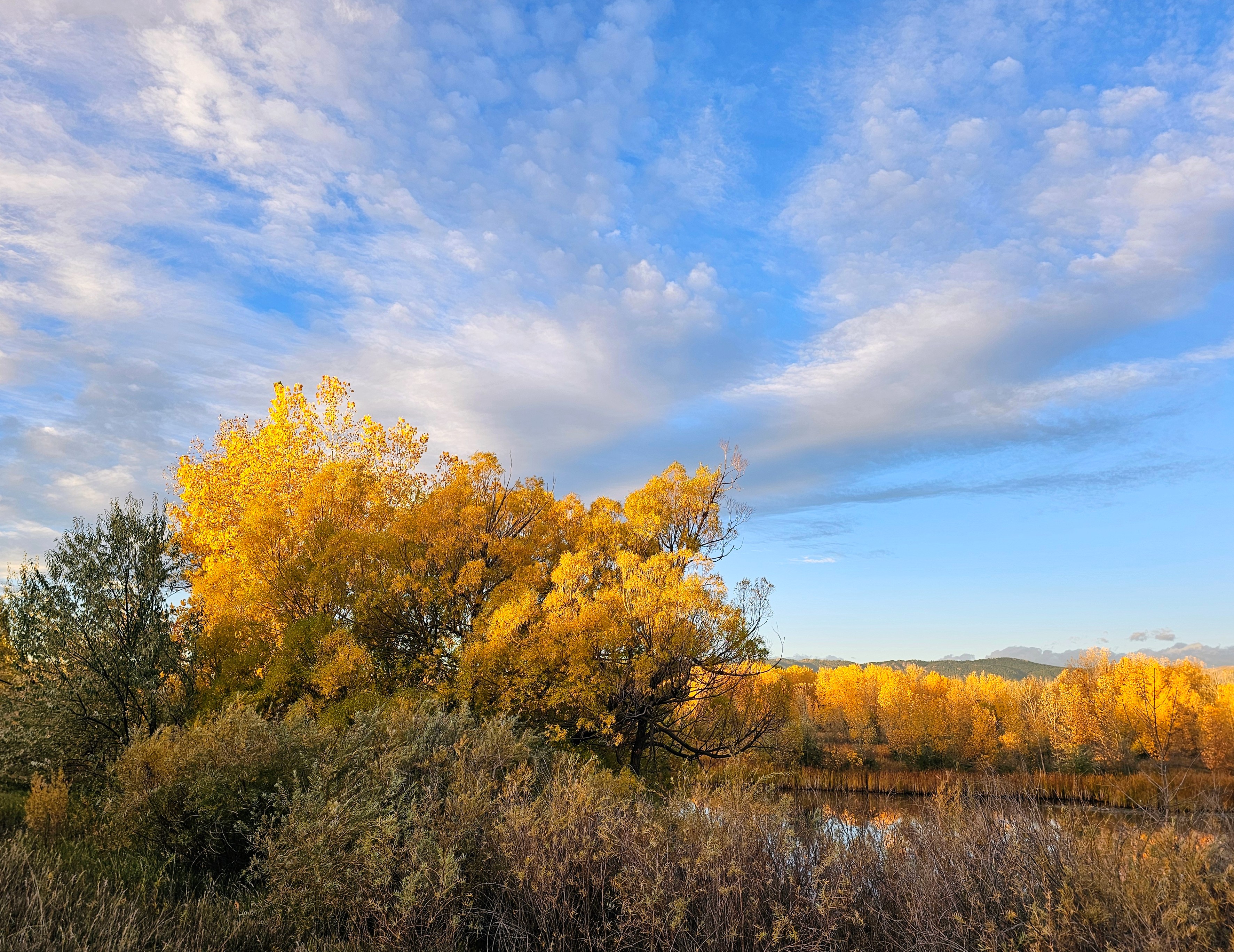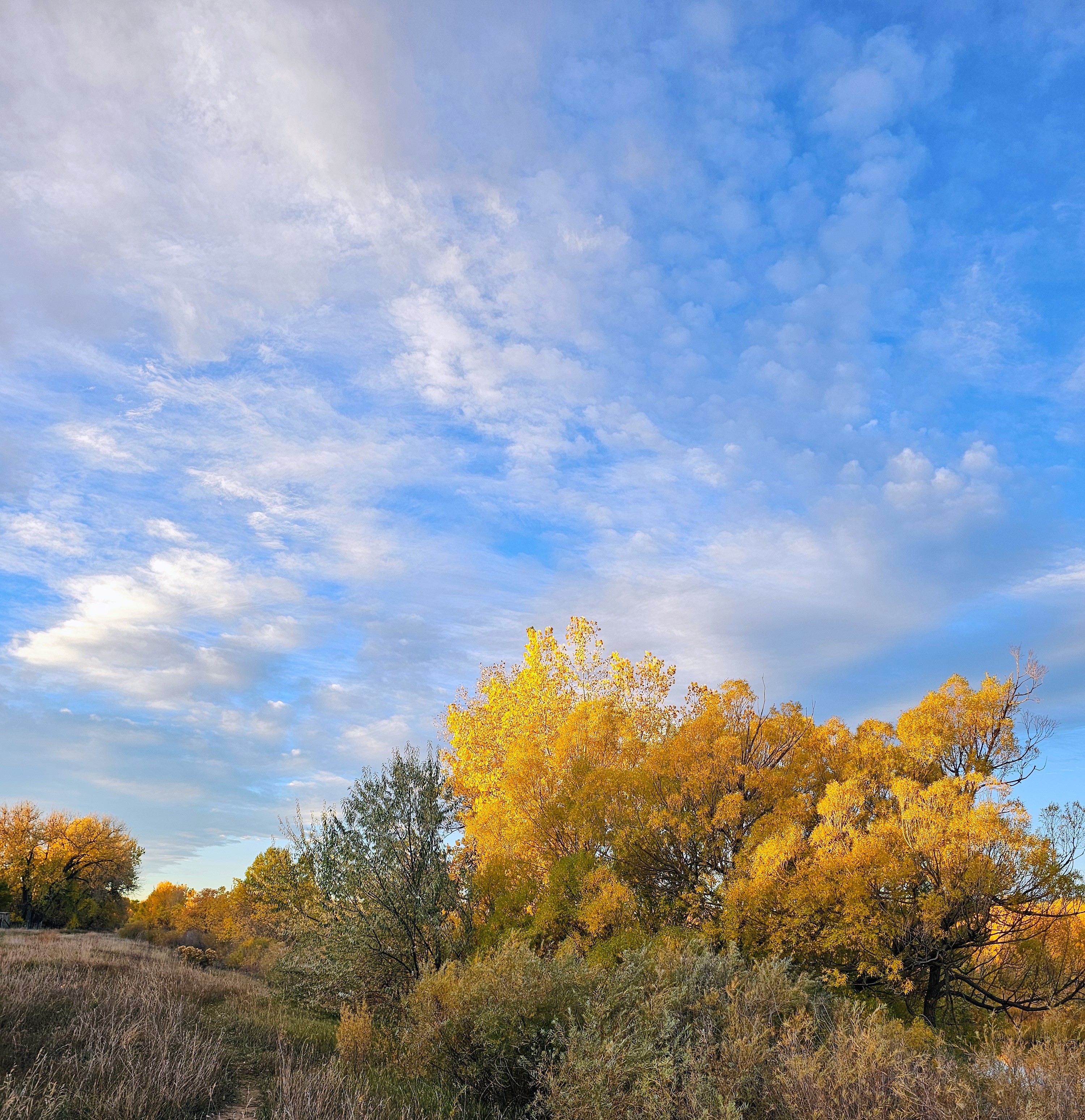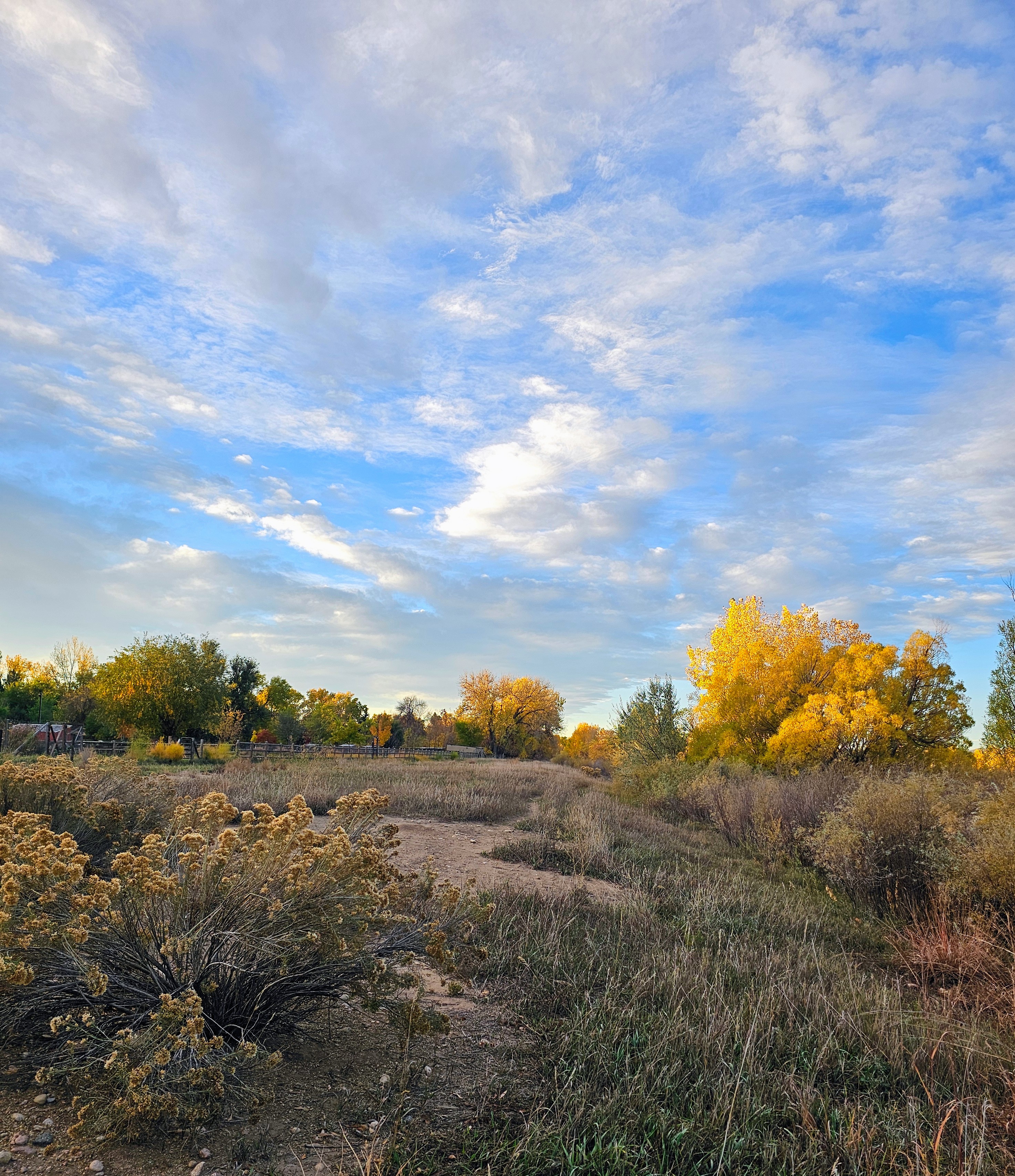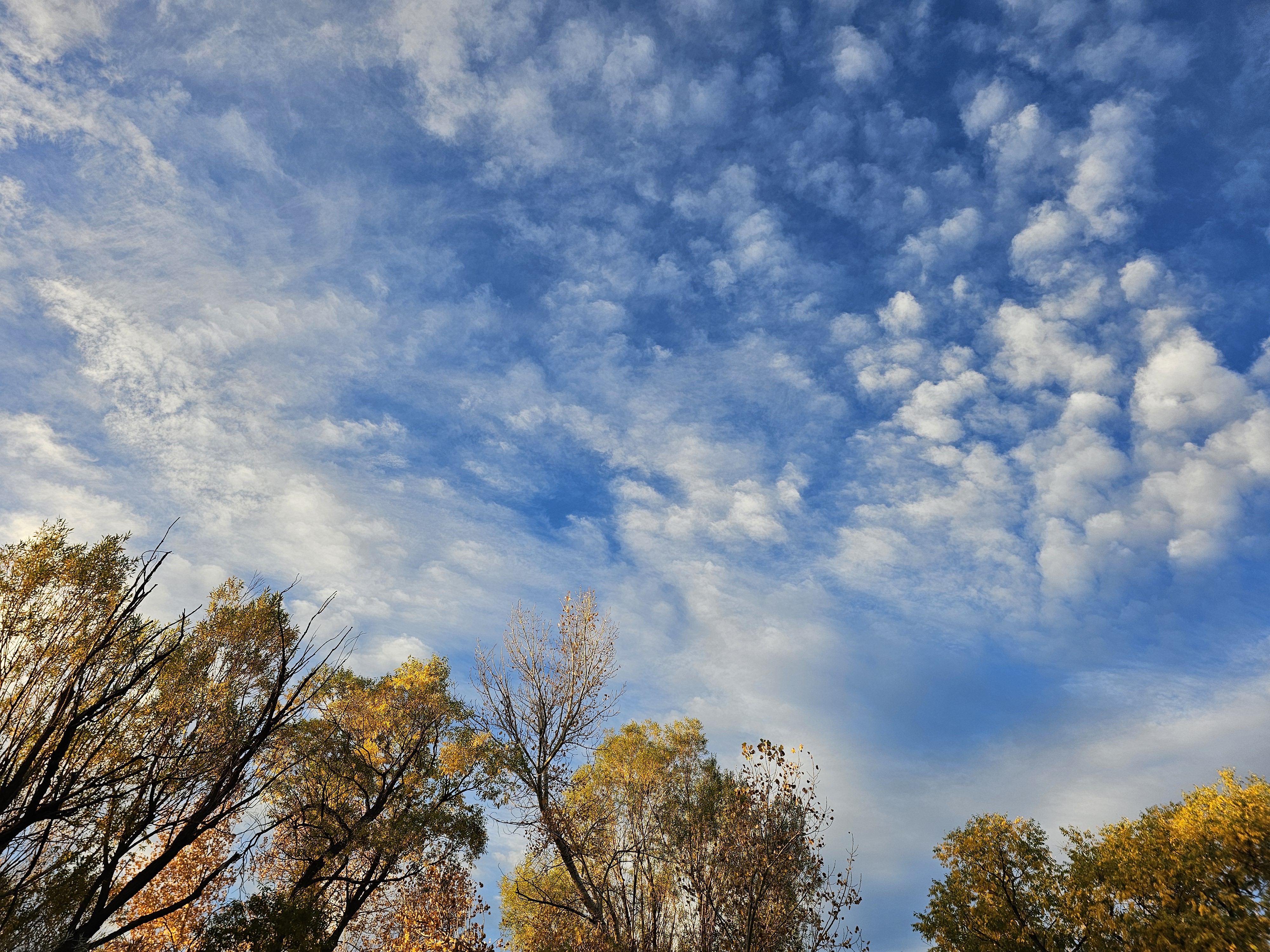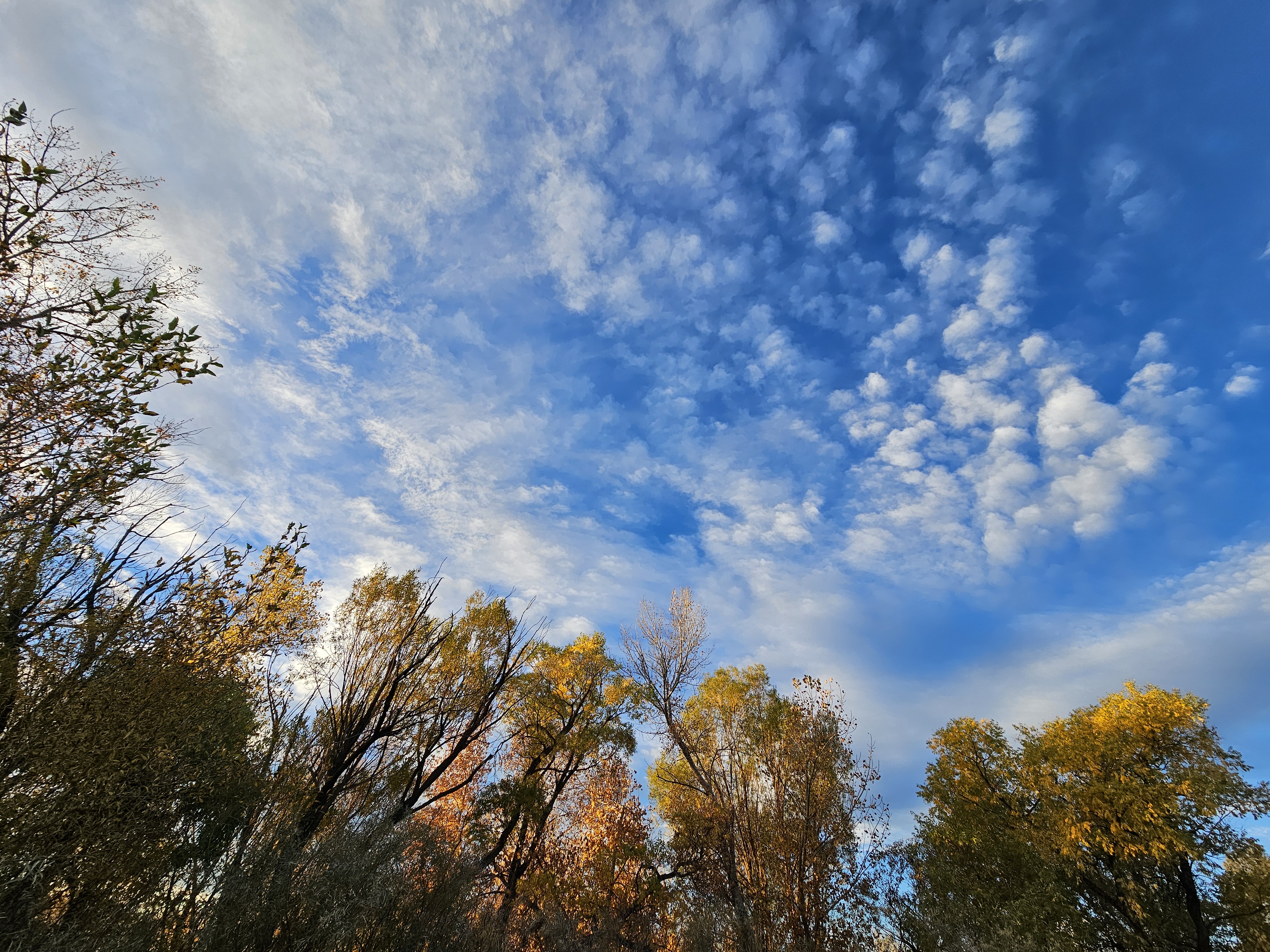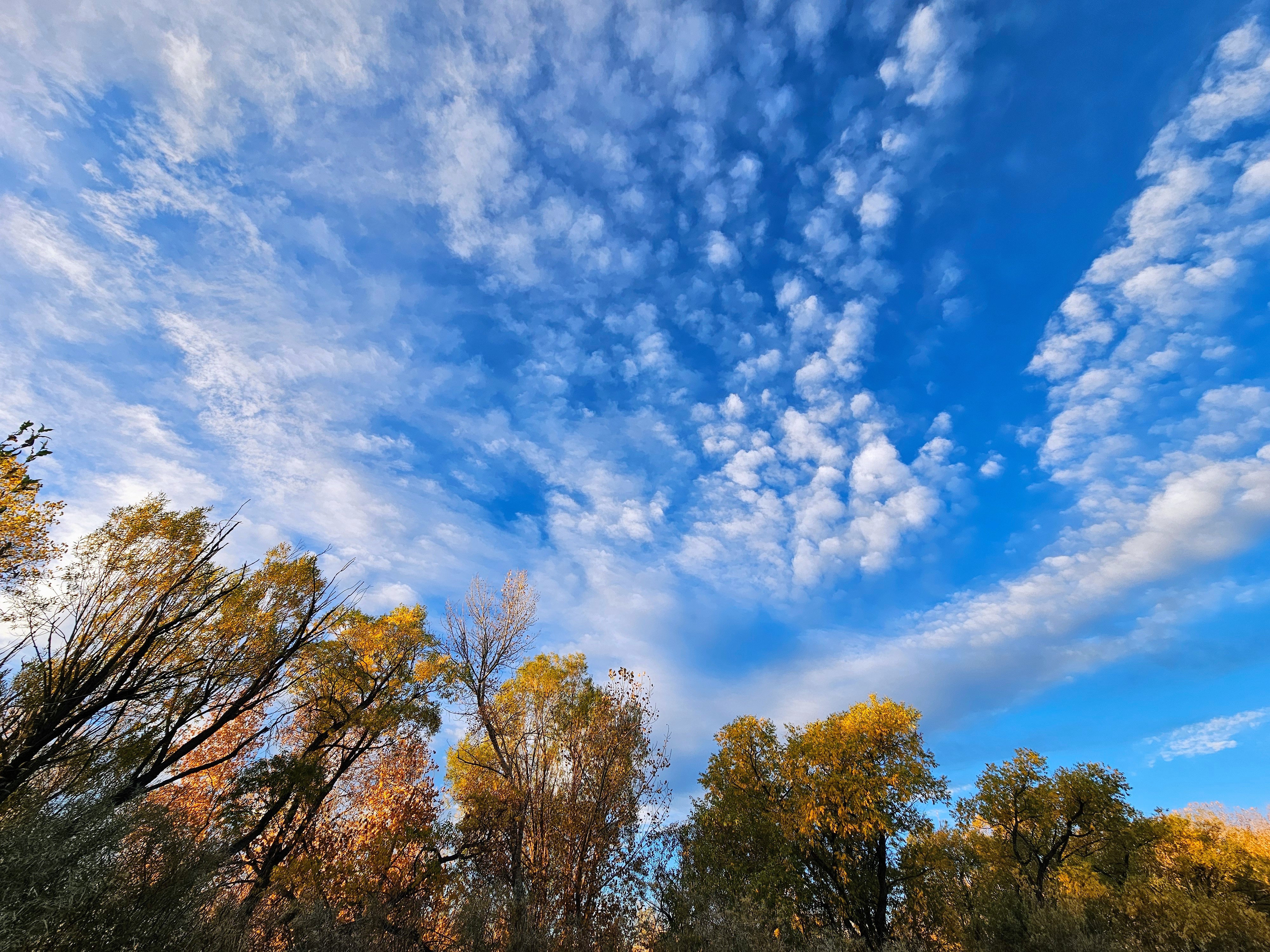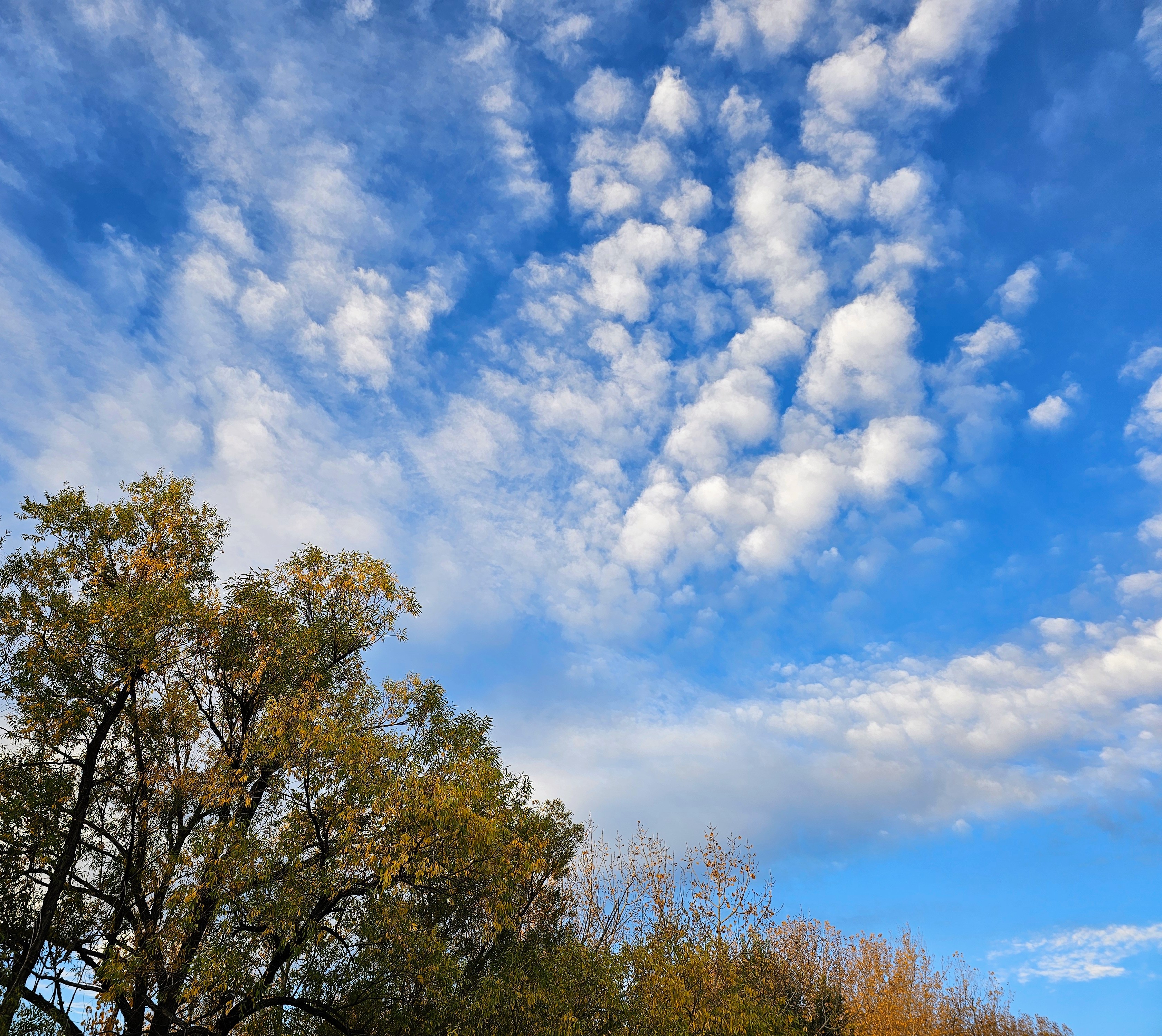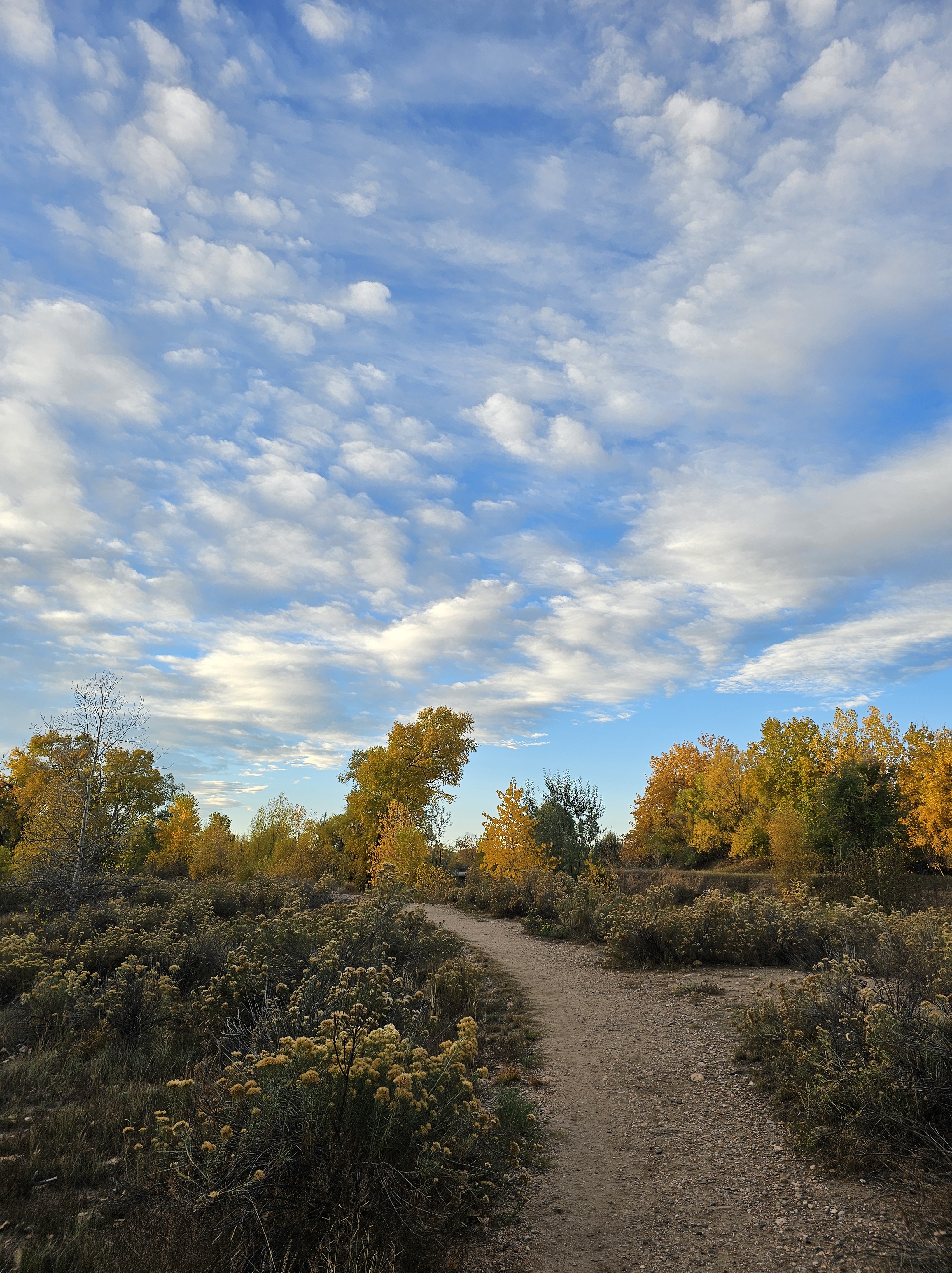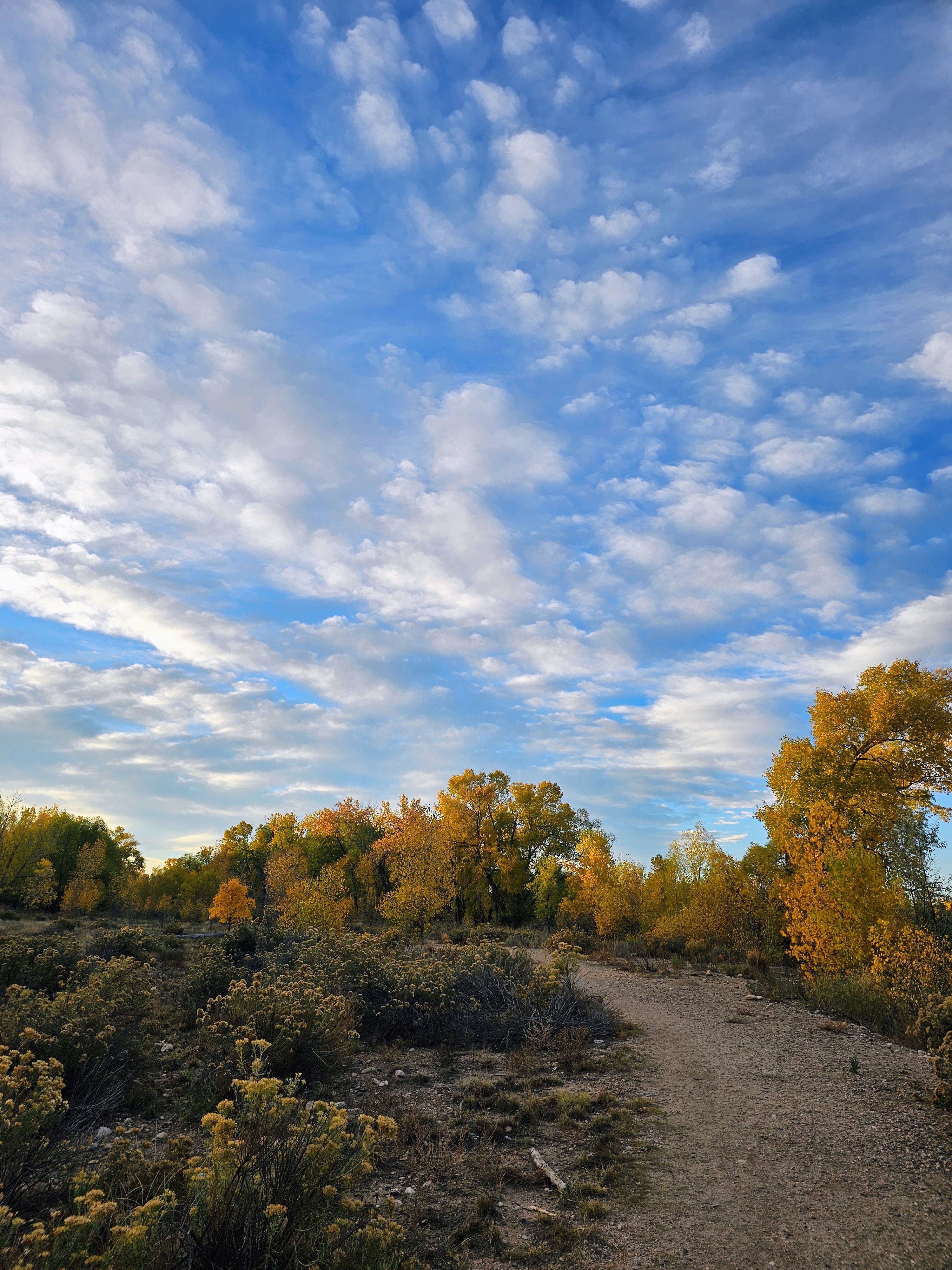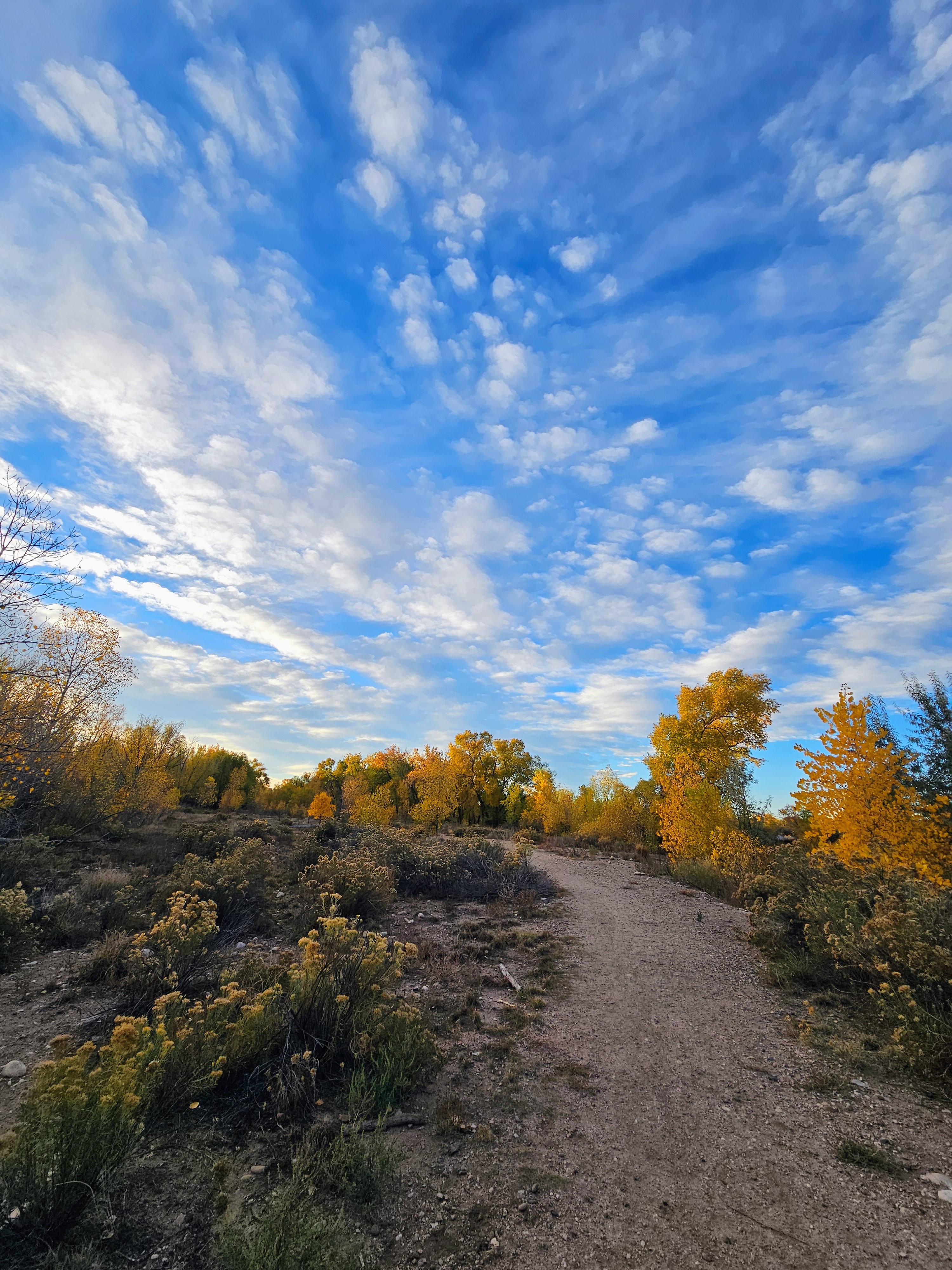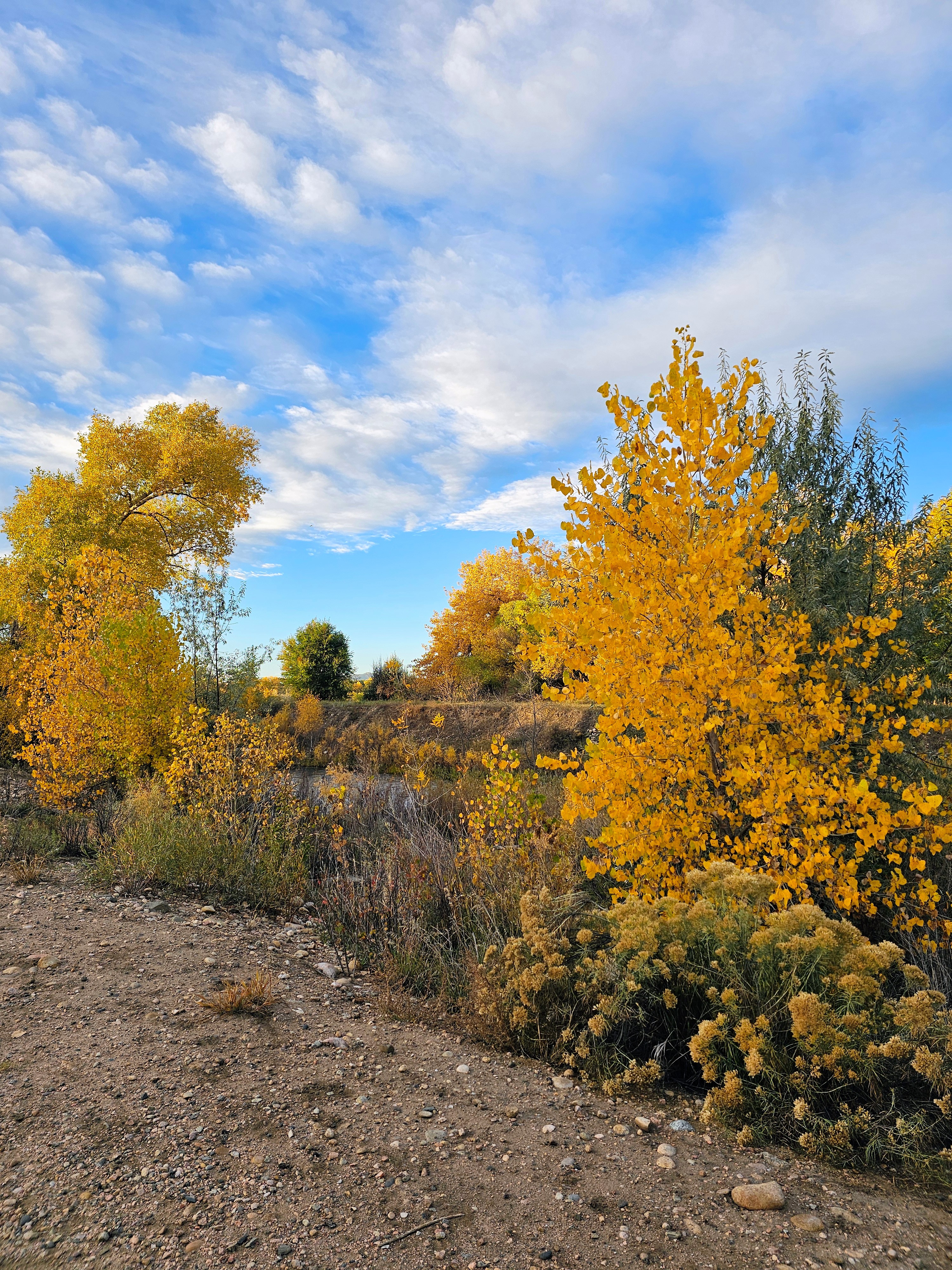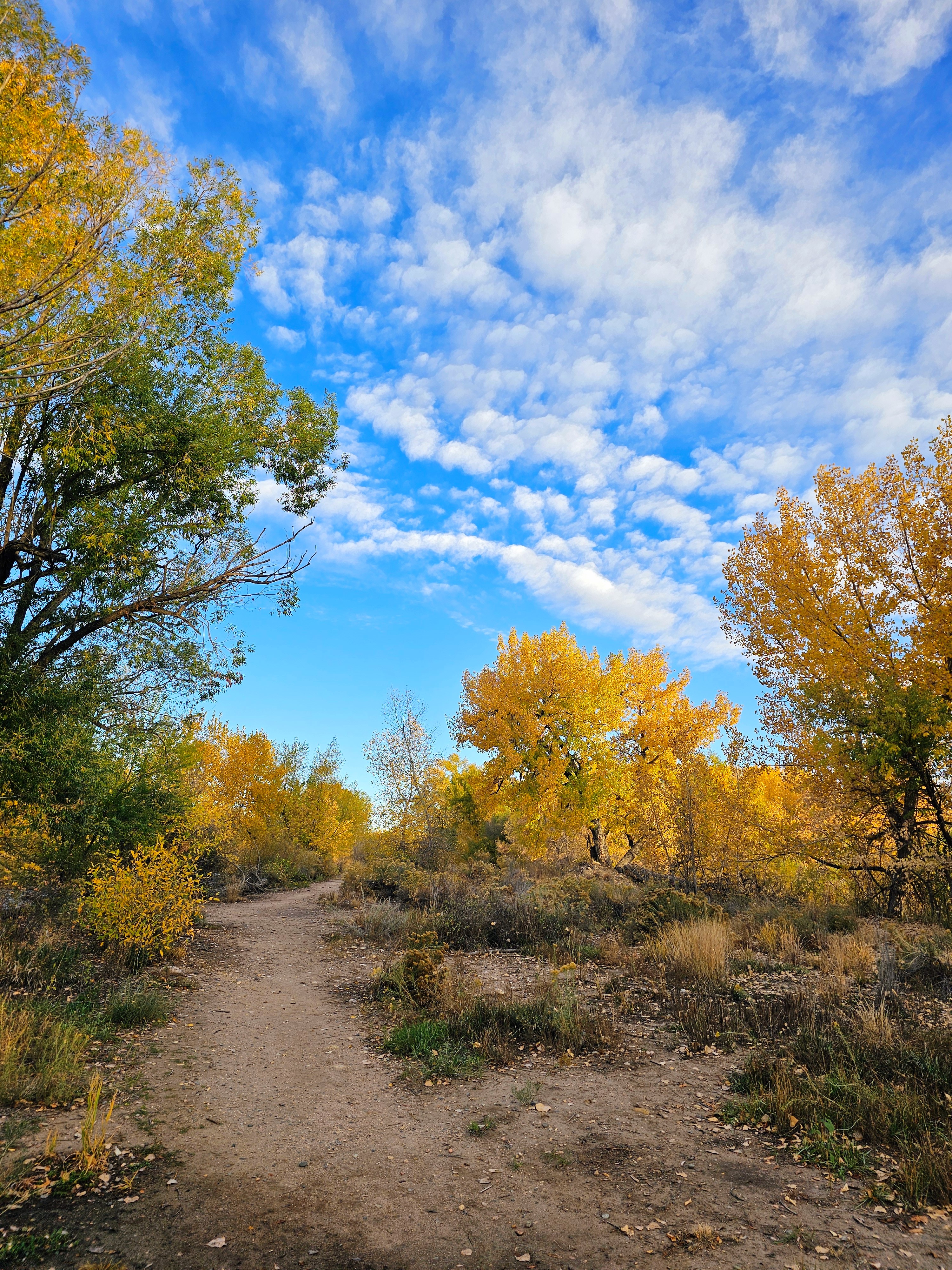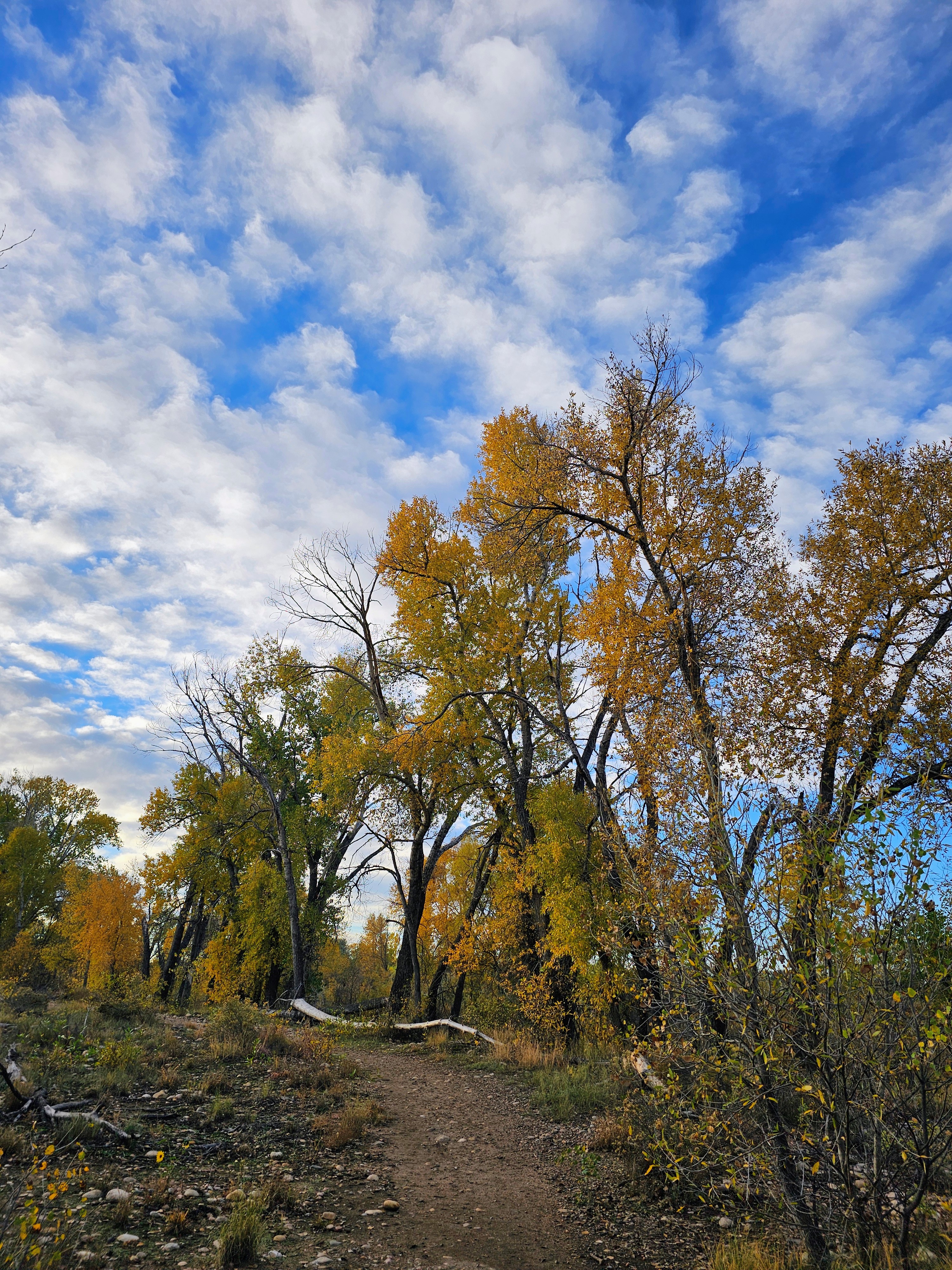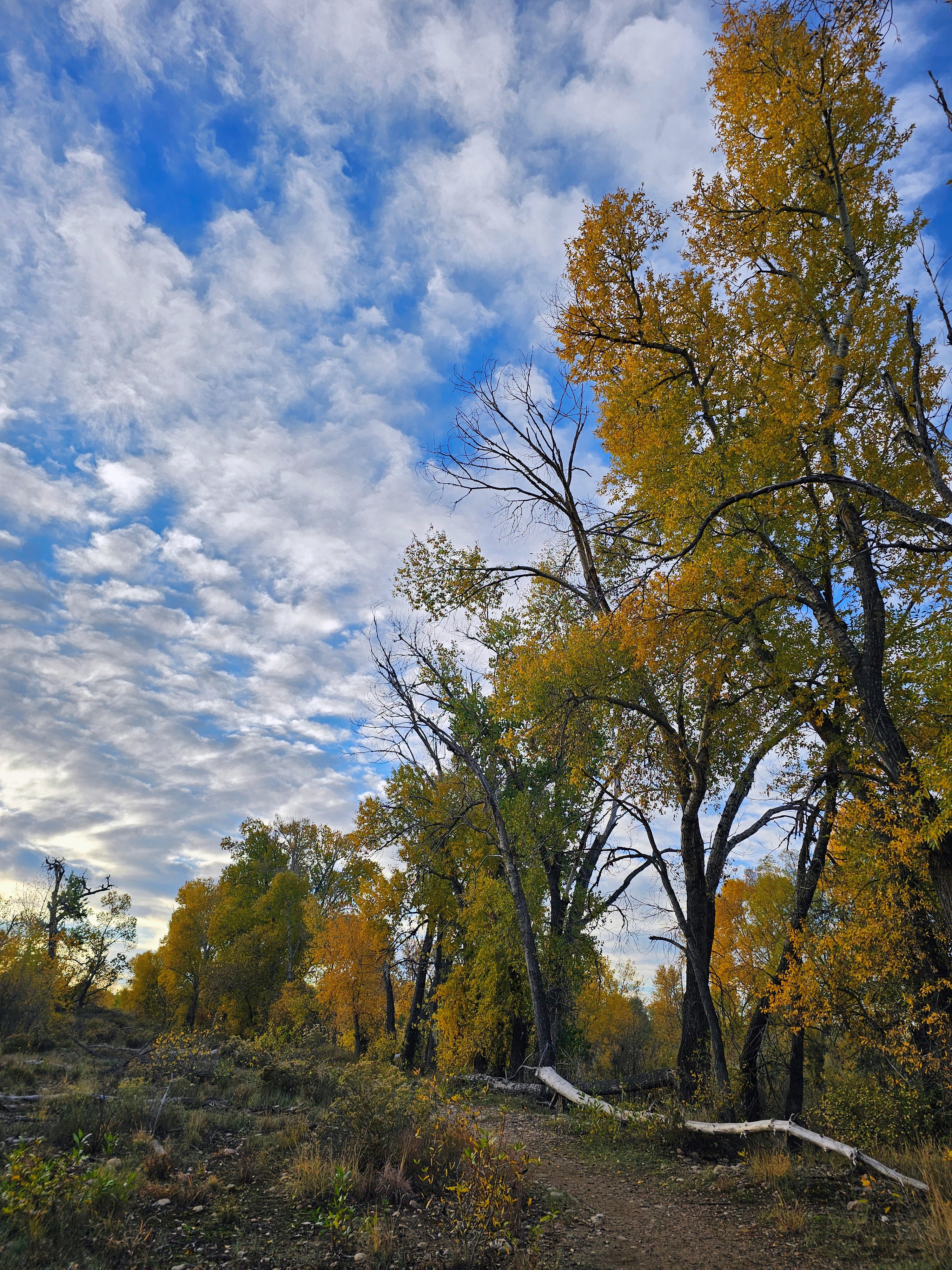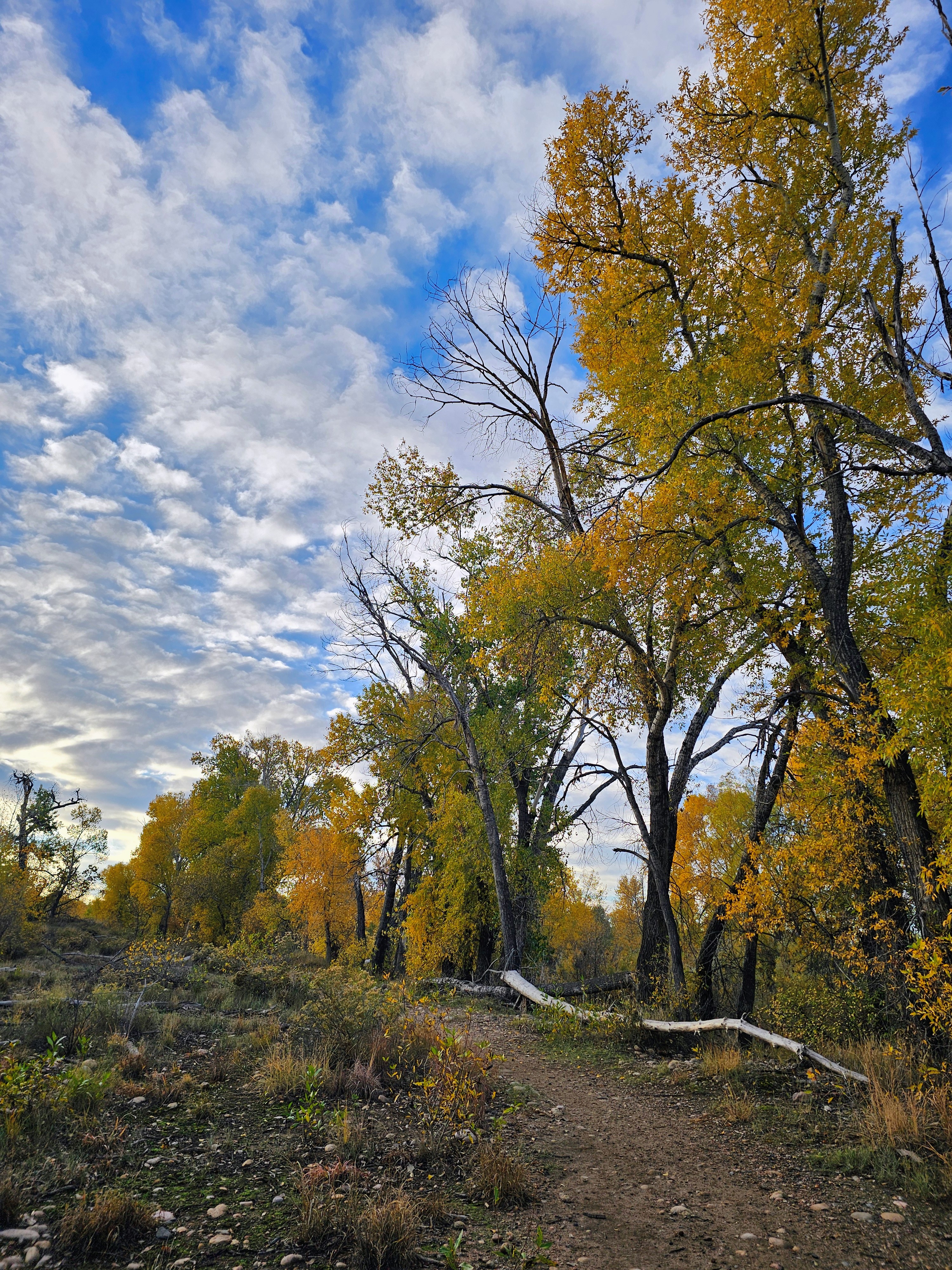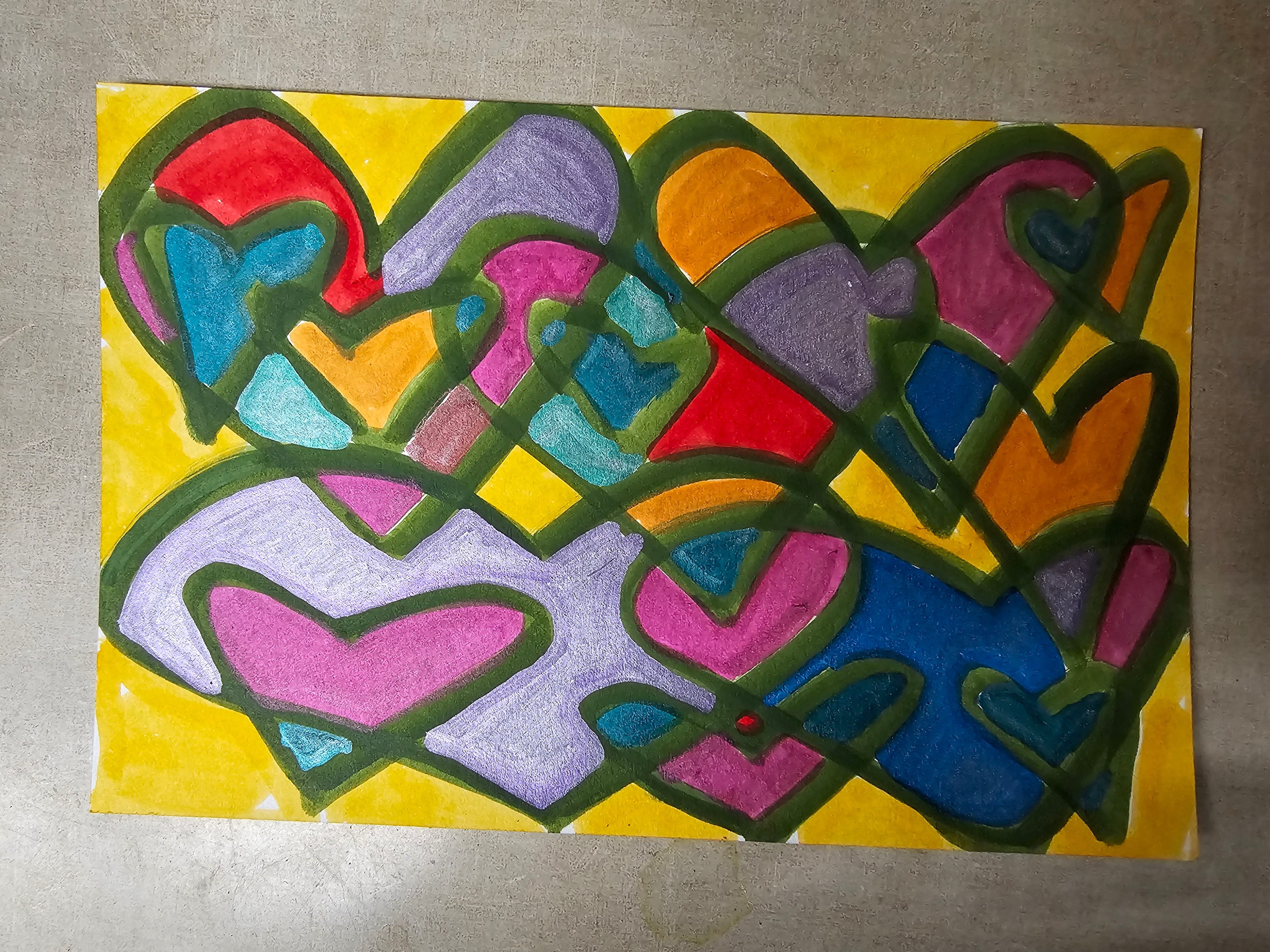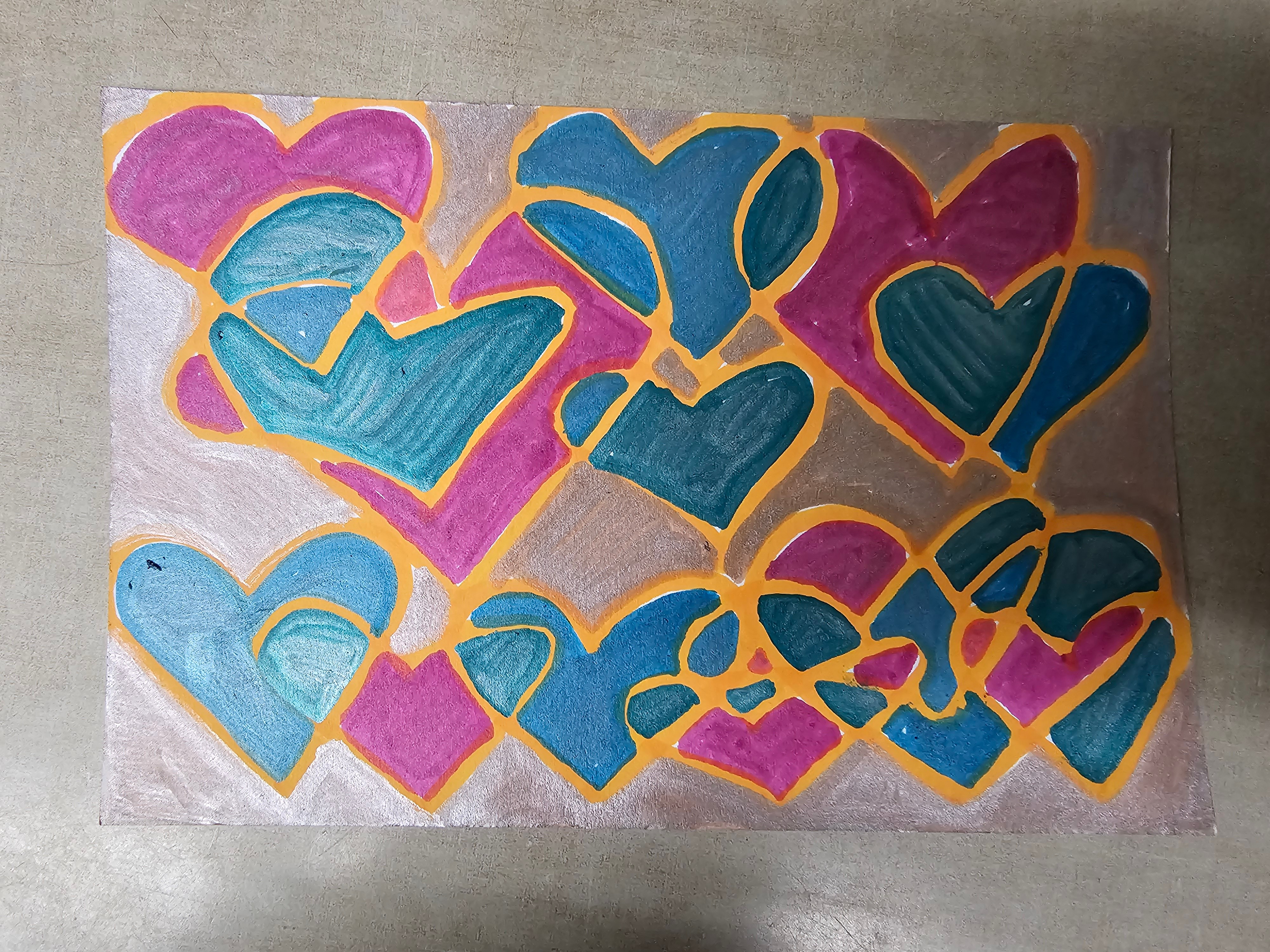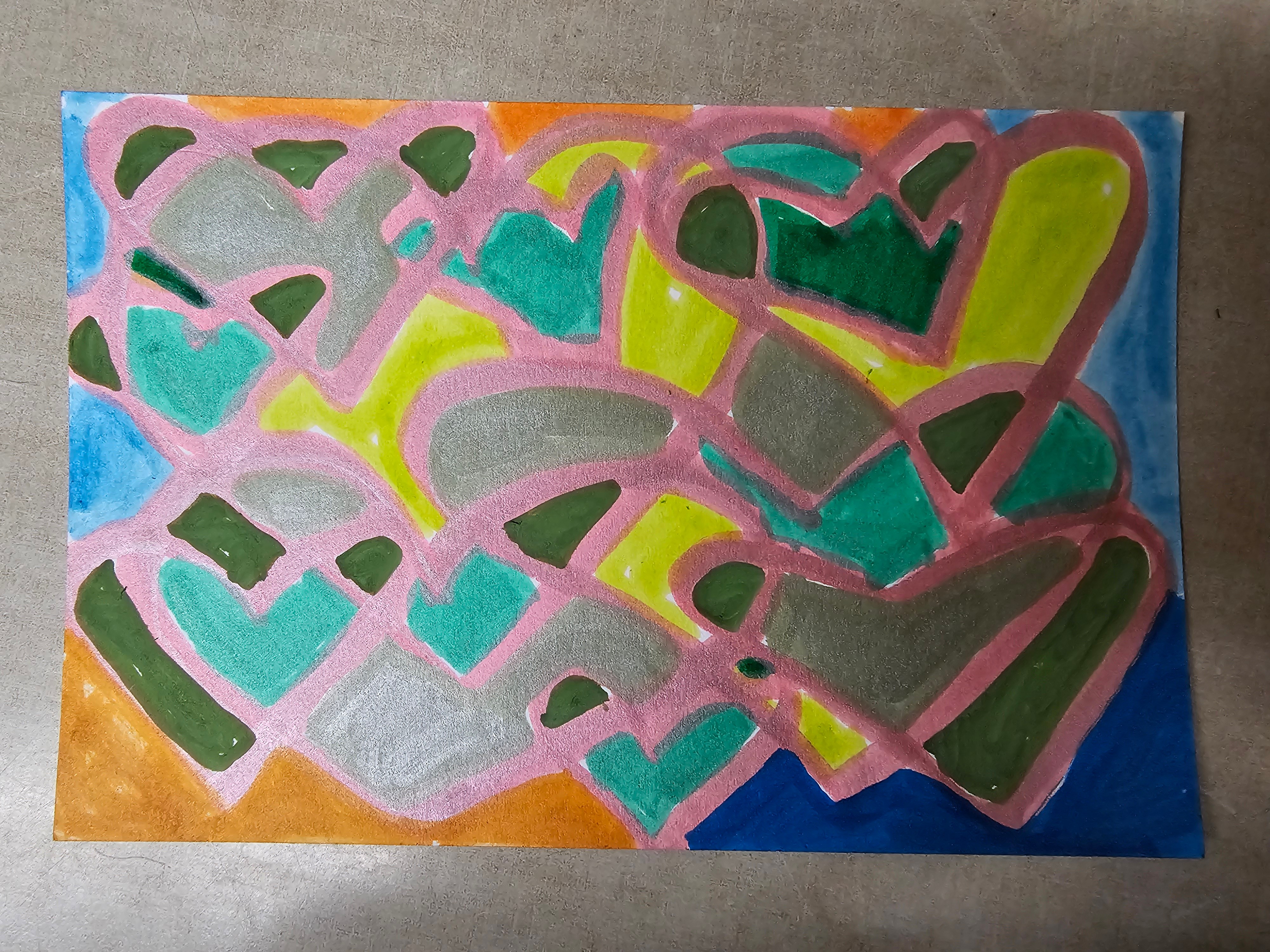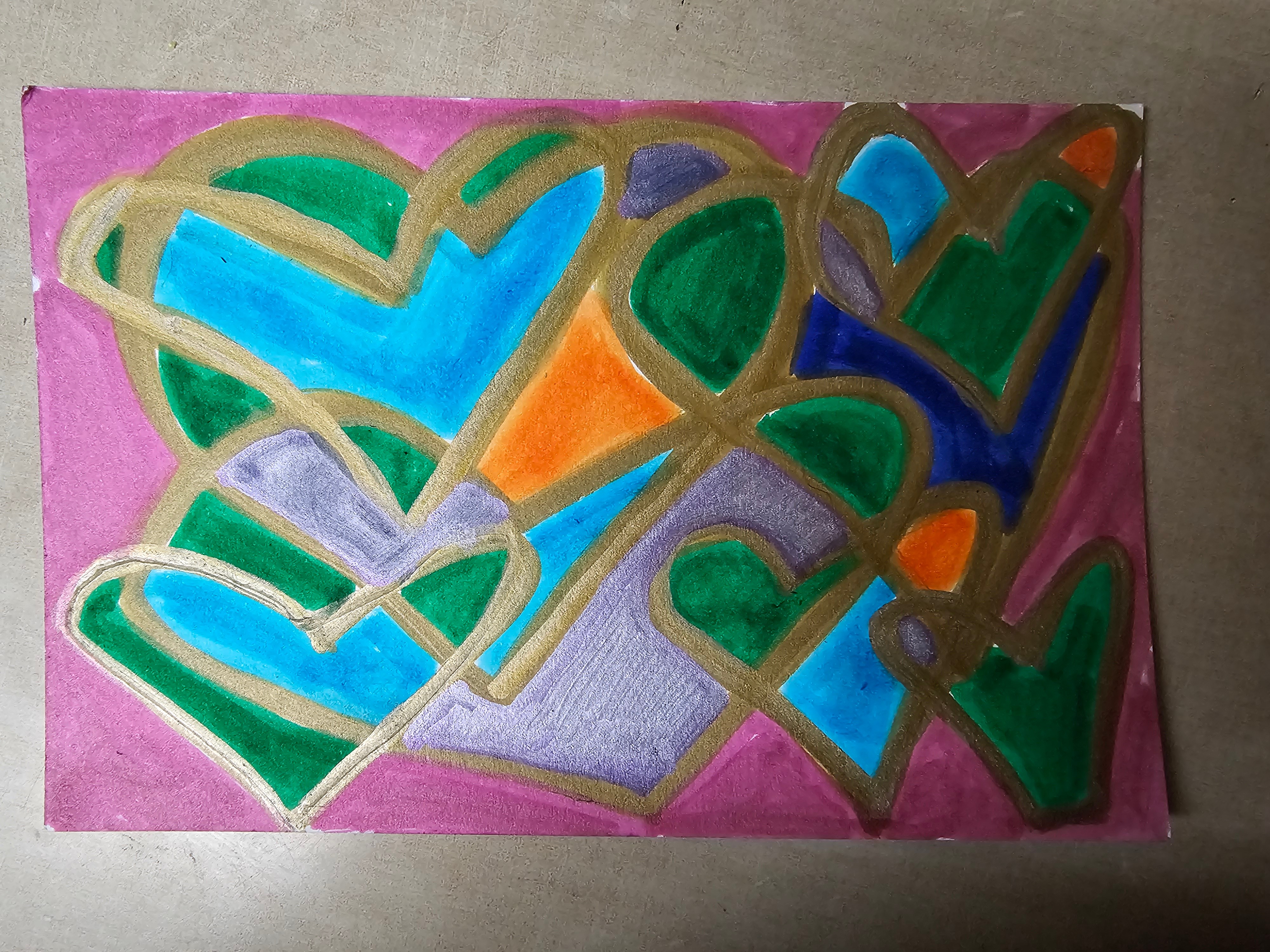
“My want is so wide I cannot cross it”

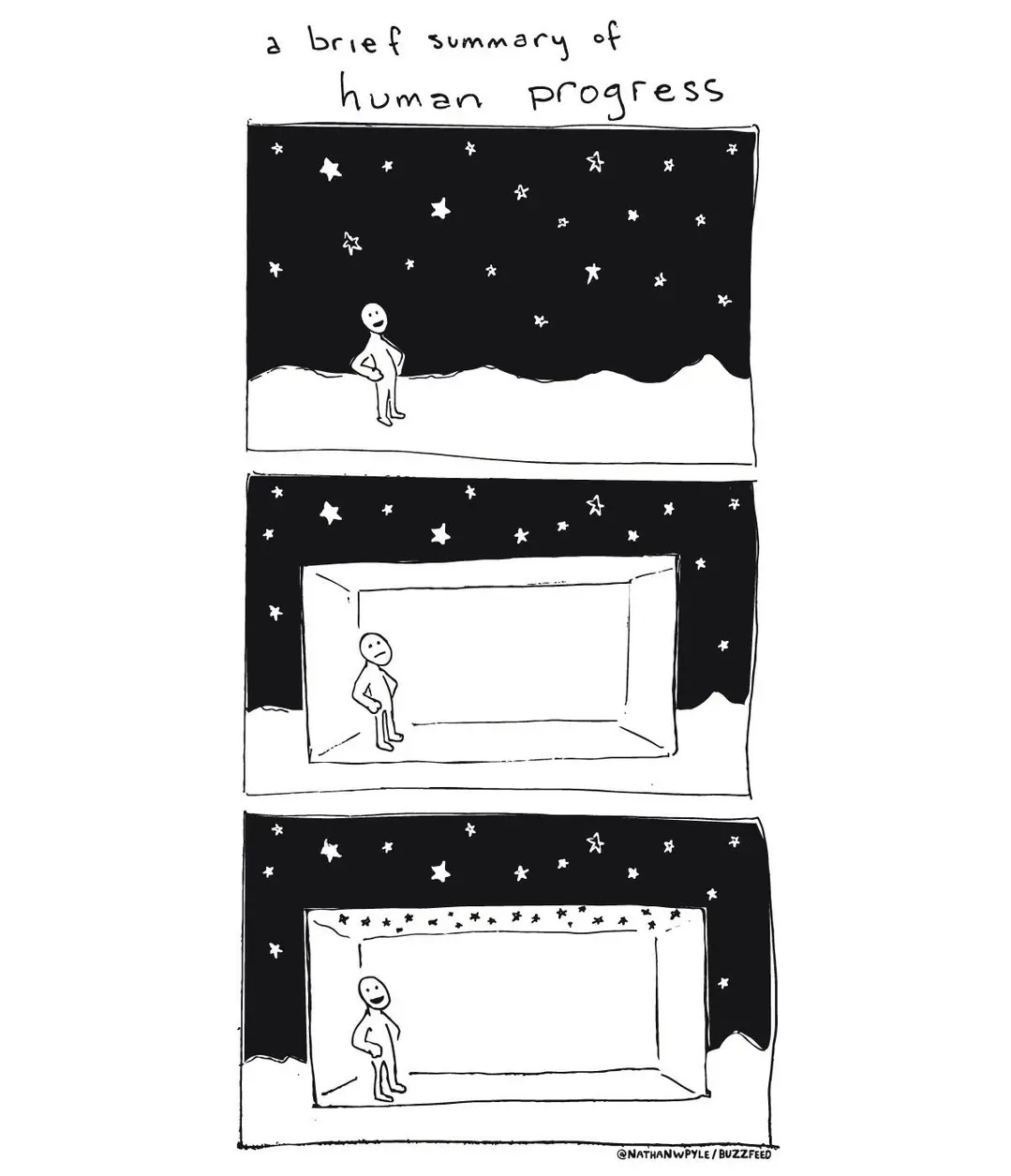
The bad news is, you’re falling through the air, nothing to hang on to, no parachute. The good news is, there’s no ground.

~Quote commonly attributed to Chögyam Trungpa Rinpoche

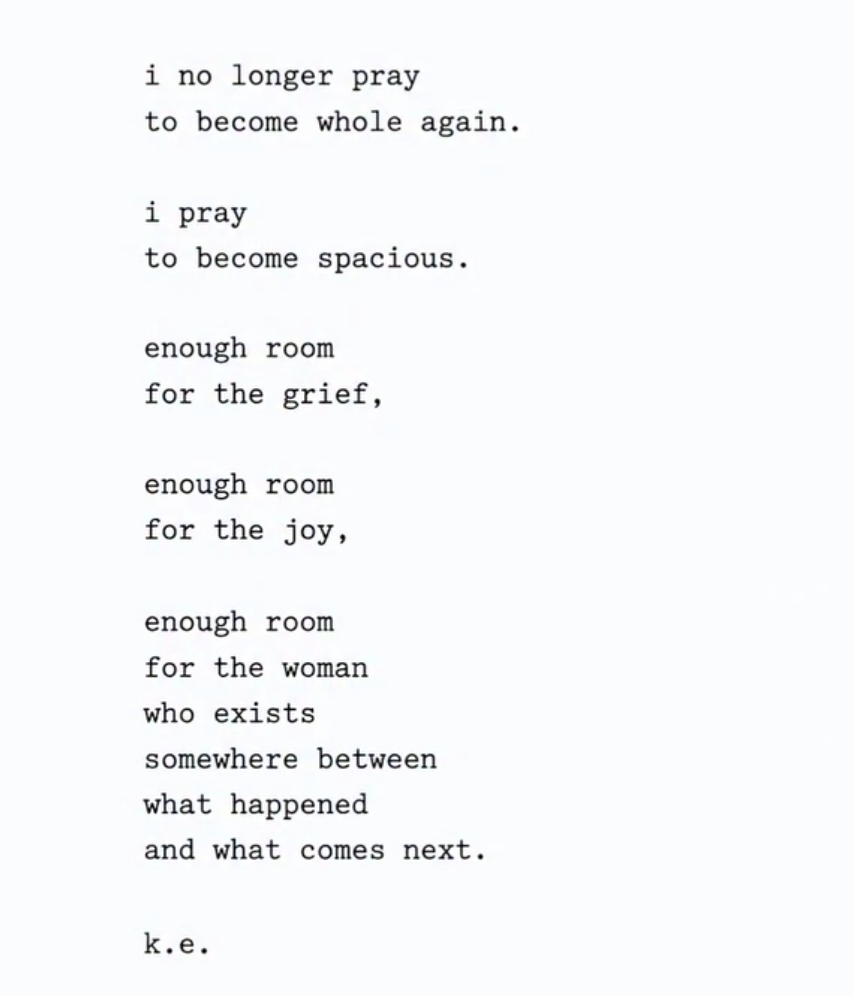
“Things falling apart is a kind of testing and also a kind of healing. We think that the point is to pass the test or to overcome the problem, but the truth is that things don’t really get solved. They come together and they fall apart. Then they come together again and fall apart again. It’s just like that. The healing comes from letting there be room for all of this to happen: room for grief, for relief, for misery, for joy.”

~Pema Chödrön

Most times I teach yoga, I start with a short dharma talk, some small slice of wisdom to share. I might find a quote or a poem that clarifies what I want to communicate and repeat it to end class. As my favorite teachers do, I don’t offer it as a solid capital T truth, but something to consider. As meditation teacher Susan Piver says, “don’t take my word for it,” try it for yourself and see if it makes sense, if it holds up, if it’s useful or helpful, and if not, let it go, forget about it, move on with your life. I think that’s the heart of what we have to offer as teachers of any kind: “here’s something that makes sense to me, has been workable in my life and shown itself to be useful, and I’d like to offer it to you, see if it might help you too, but if not that’s totally okay.”
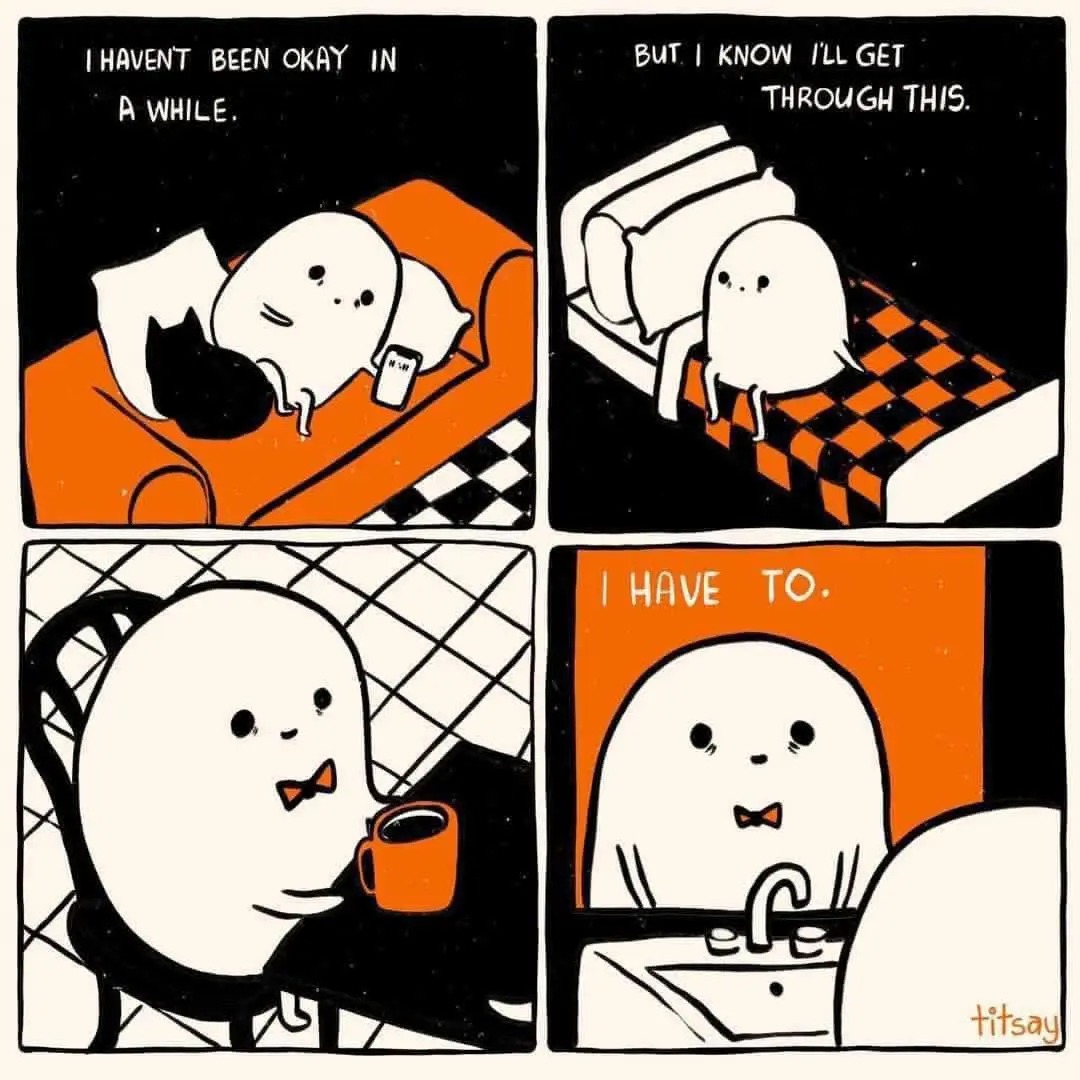
I’d spent the morning before my class this week reading and writing, considering where I find myself in this moment – the place I try to teach from always, because what else is there, what else do I know? And where I find myself now is sitting (again) with the reality that there is no safe, quiet, solid place. External circumstances, causes and conditions, are always shifting and changing. Bad things are always happening and will continue to happen. It’s the First Noble Truth of Buddhism: life is suffering. And weirdly, that’s not necessarily bad news.

As my mom used to say, “it is what it is.” Shit happens (which is closer to what my dad used to say), and rather than trying to avoid it or attempt to be fully prepared for every possible outcome (impossible) or fix it or smash yourself to bits when you fail, it might be better to accept that things are always coming together and falling apart, that it is not workable or sustainable or even possible to configure a moment, let alone a life, that will be stable and safe. Instead, we need to be able to meet whatever arises, do so with inner stability, calm, and trust, cultivate equanimity and discernment, know what is within our scope and capacity and skill set to manage, and recognize when and where we need to ask for help or even bow out altogether. Stay curious and tender, keep your heart open, don’t give up.

I used to write about this more. I used to feel like I had figured some things out, that maybe it would be helpful if I shared. I thought I had suffered and came out the other side with some hard-earned wisdom, and I wanted to pass it along. Then I was hit with a new level of trauma and tragedy, and I lost faith, my trust in myself and what I thought I knew.

I think the shift that happened for me recently is that I understand those things are not limited, contained in a single season, one event or experience, but rather that IS life, the full measure, the simple and fundamental truth of it: being human is in large part trauma, terror, and tragedy – on repeat. And I don’t even mean that to be discouraging, a disappointment or a downer, just a fact. Because I used to think or at least hope there was some way to get on top, get over, or get beyond the struggle, that there was a trick or a hack, a program or plan or person who had the answer, but there just isn’t. This is it. Life is suffering. Periodt.
And yet, there is something to offer beyond that, something solid to be found even as it’s fleeting, but I’m not yet clear about exactly what that is, the how of it, the right words to use to fully communicate it. Right now, if you were to ask me what is the “rescue” or the antidote that comes after having your heart ripped out of your chest, all I’d be able to do is show you the hole, the wound, the fresh deep wet red of the blood. I don’t yet know how to explain it in words or give you some sort of practice for working with it.

I’m not even entirely convinced I’ll ever recover in any meaningful way. Nothing like Kintsugi, the Japanese art of repairing broken pottery by mending the cracks using gold, meant to highlight the beauty of broken things, making it a new kind of whole. I don’t have the skill or any gold. I am simply a pile of shards. And yet, part of the practice of Kintsugi is to allow the broken pieces to sit, sometimes for years before completing the repair. Maybe that’s where I’m at. This may not be all there is.

I looked up the listing for Mom & Dad’s house, now sold but the pictures of it still there. As I click through the set, I start to cry. It’s not that the house is gone, it’s the memories of the people and the life lived there. I am still struggling with the finality, the fact that they are gone, gone. All the timelines overlap and exist together, a constant state of déjà vu but also clairvoyance, predicting the future, a series of visions and feelings overlapping what is here, what is solid in this material space.

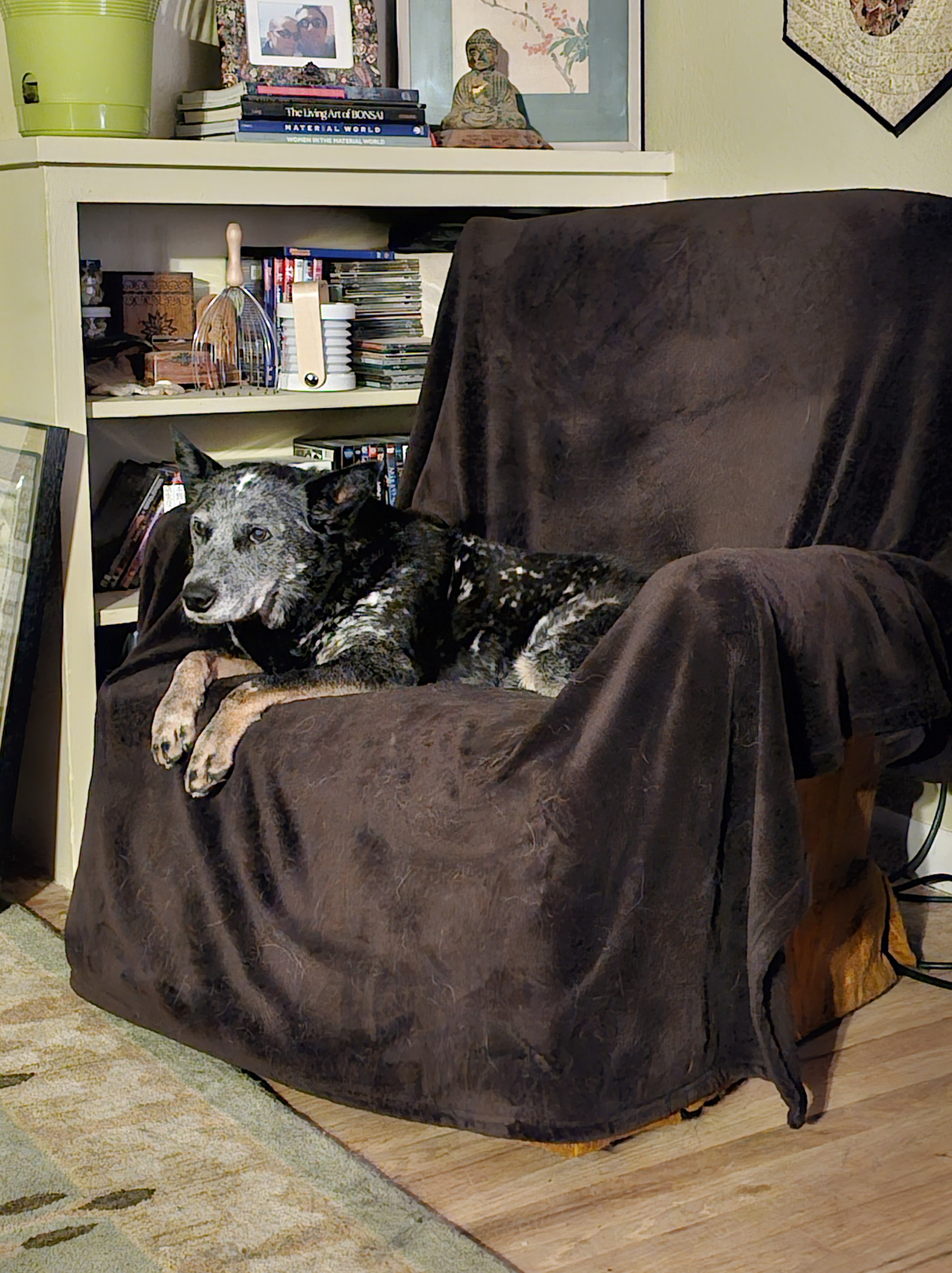
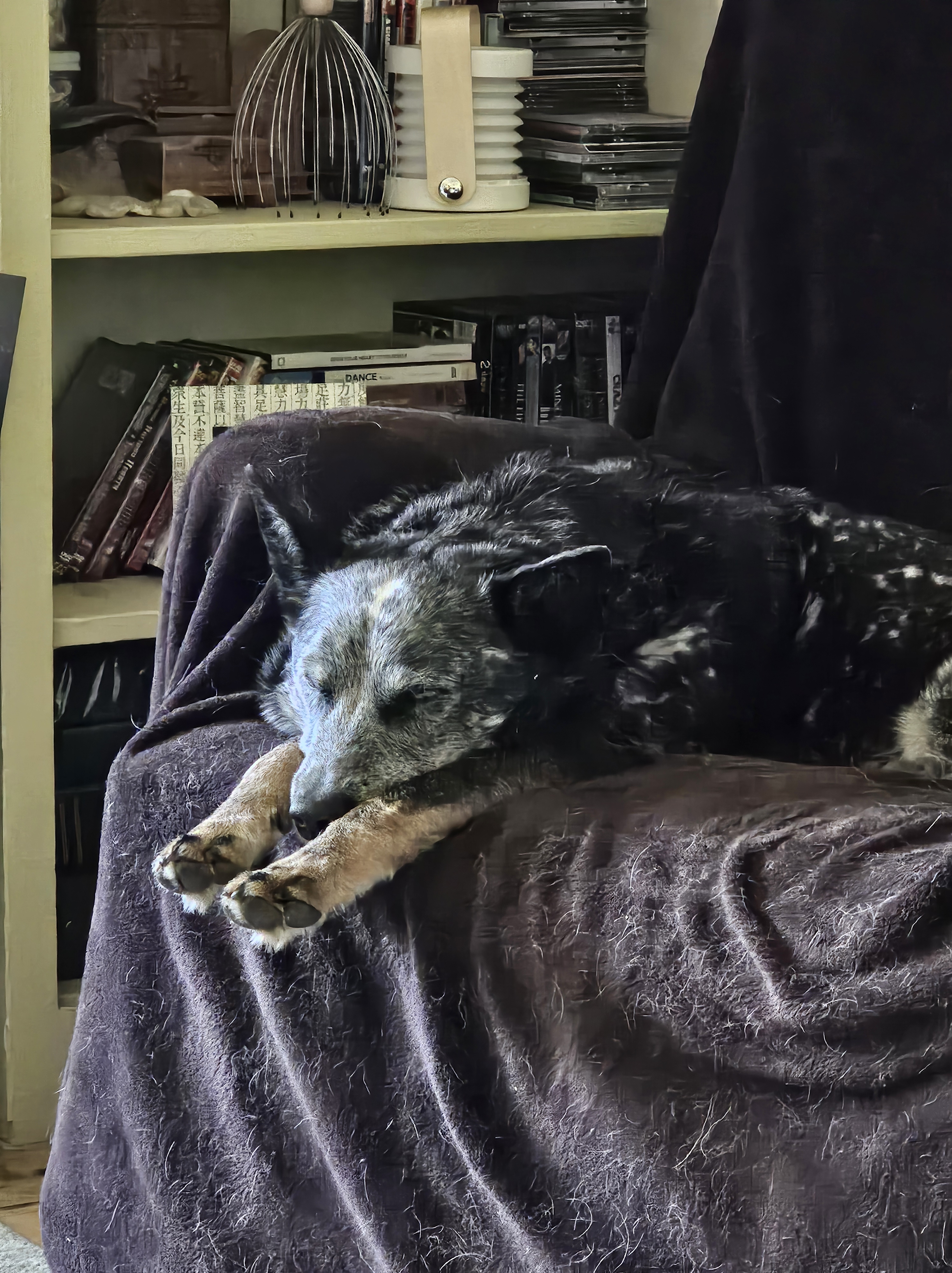
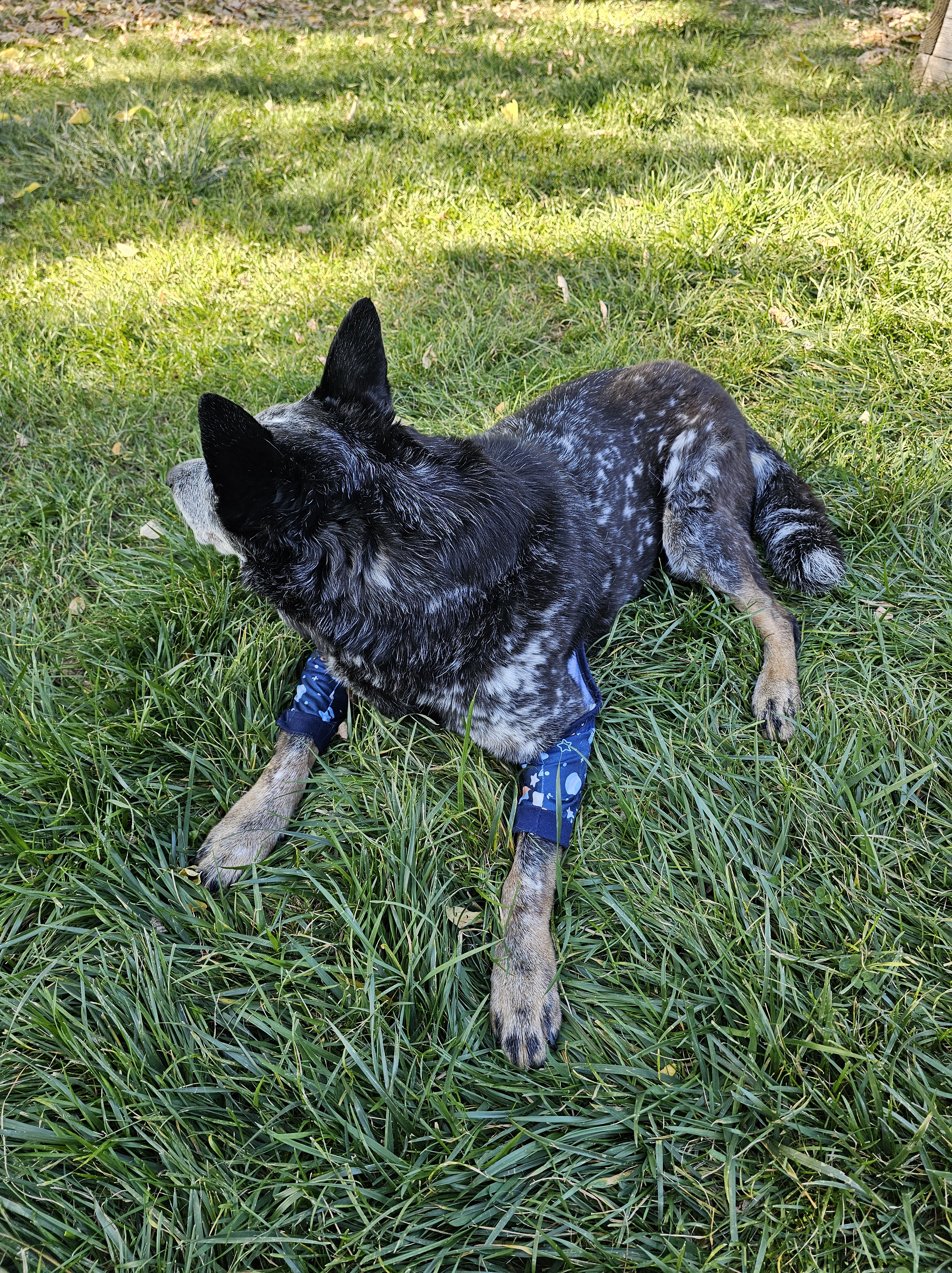
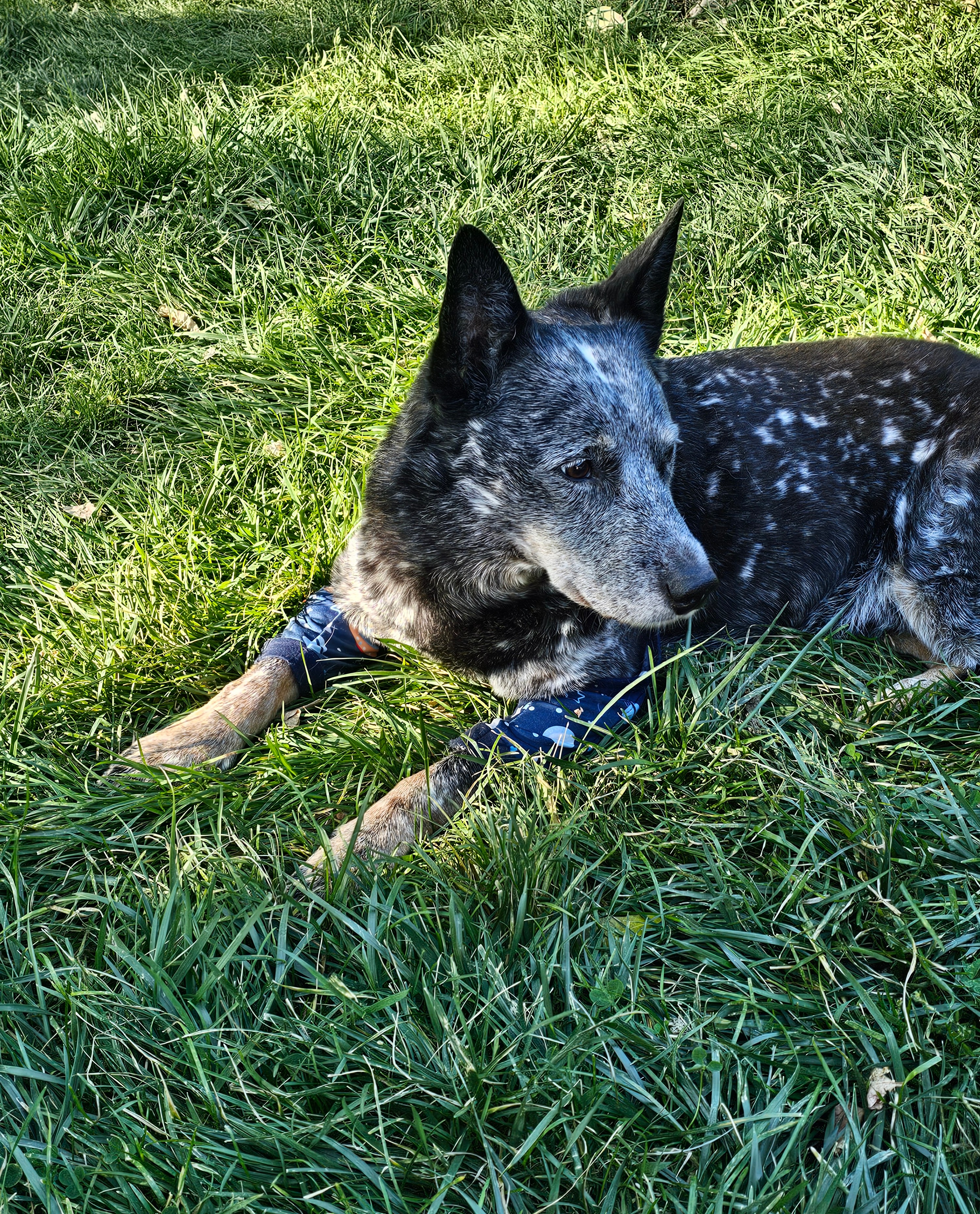
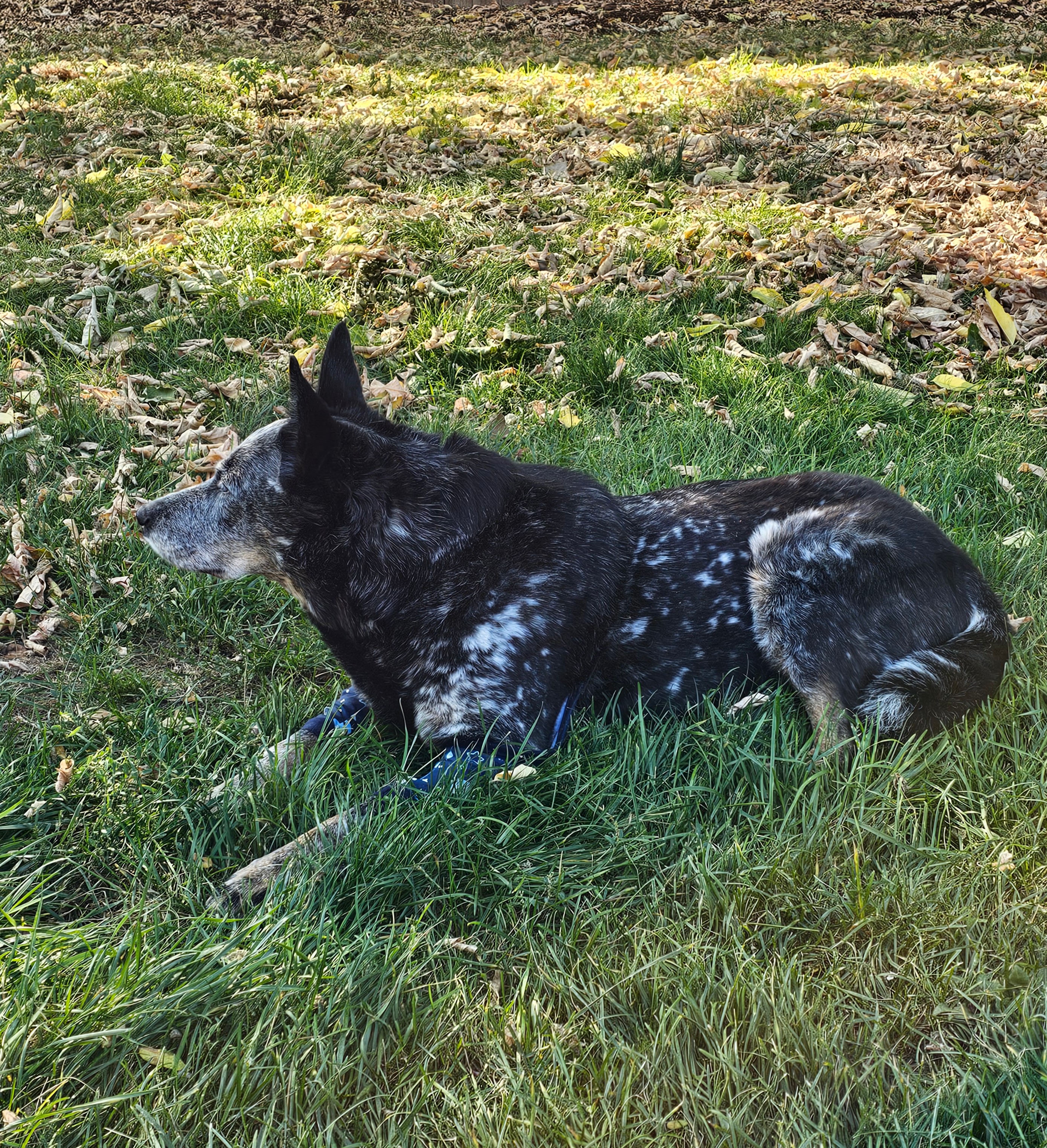
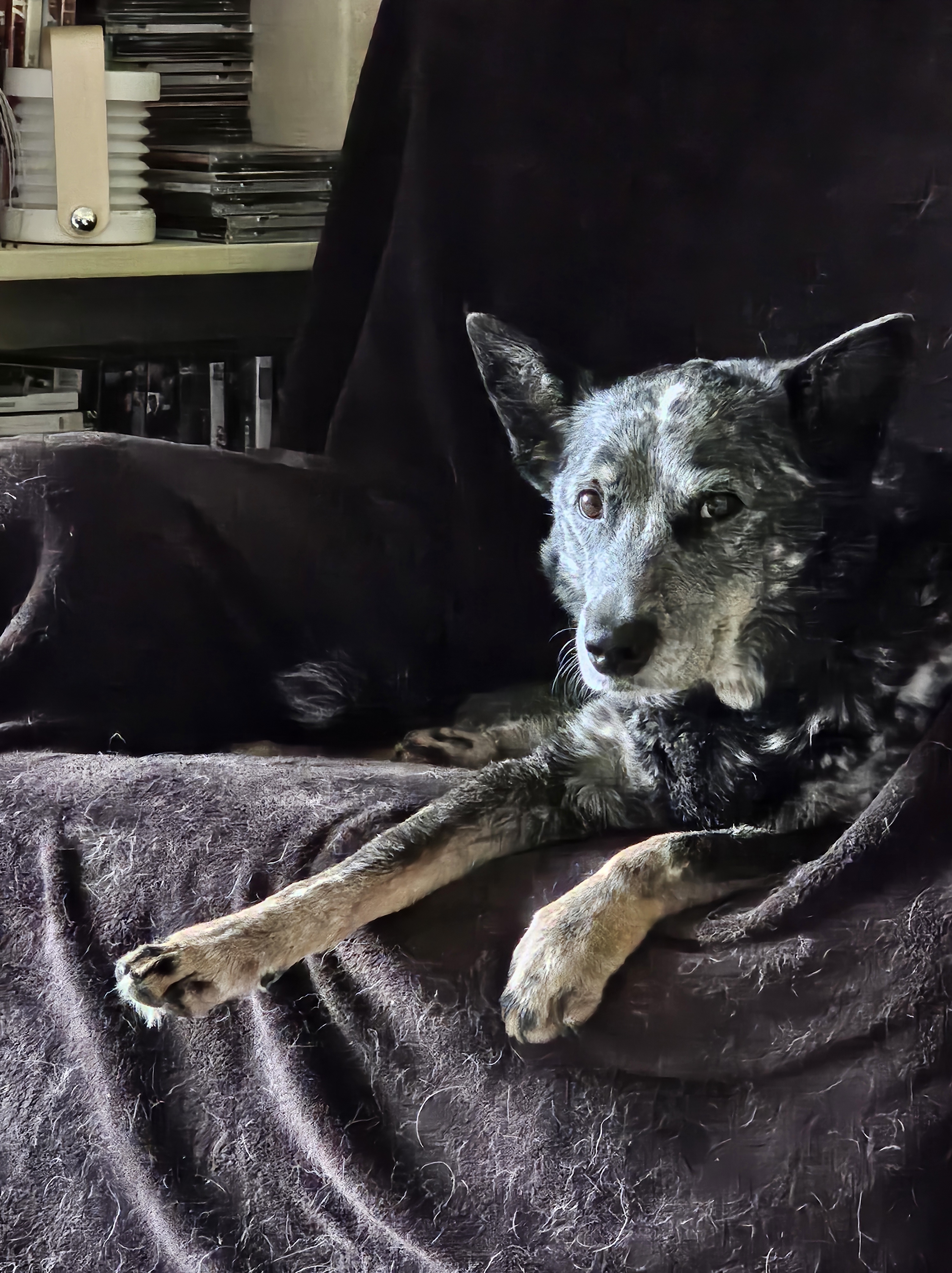
Leaning over petting the soft hair of Ringo’s belly, his body warm against my foot, the weight of it holding me in place, and I flash forward into a time after he’s gone and am remembering the moment as it’s happening, and this happens a lot, in both directions, traveling into moments both past and future while still firmly planted in this moment now, all of them colliding and overlapping and me simply breathing in time and time and time.

When I look at the pictures of the empty rooms in the house that no longer belong to my parents, I still see them there, can feel myself there. The same with the room in that other house where my mom lived her final months, her last moments. In those places where some of the worst moments of my life happened, where things eventually came apart at the seams, it is all still there and solid, and so is a version of me. And, while now it is gone, gone and over, I am still in that room, sitting in that recliner next to Mom’s bed where she lays day after day after day, the Hallmark Channel on the TV, always Christmas in July. And yet, here I am too in this moment, continuing as before.

They lasted until they didn’t, and the way they lived or rather didn’t certainly taught me something about what I would miss if I kept trying to follow them, continued to shadow or sink into nothing, disappear myself, stay this hungry ghost forever. I don’t want that, to be aware of everything I’d miss but stay still in the face of it, even though that feels exactly like what I’m doing. Like that line from the Michael Lee poem, “my want is so wide I cannot cross it.”

I’m simply trying to get my land legs back, after being out to sea for so long, in the rough choppy dark water, weathering storm after storm. I’m getting used to gravity after being in space, like that moment after aqua aerobics when I climb the stairs out of the pool and for the first few moments my body feels like it weighs 1000 pounds, before my sense of myself resets, my muscles adjust and are able to hold the weight of me, and I can move again.

Something Good

1. Poetry: What is Here? and The Poem You’re Going to Write Tomorrow and In the Garden and One Intention and In My First Pilates Class, I Reckon with Impossibility (which I printed out and gave to my Pilates teacher) by Rosemerry Wahtolta Trommer, Invisible Work by Alison Luterman, When Crimea was still a place of light by Lyudmyla Khersonska and Be Less Poetic by Tariq Al-Arabi and [The rage that shatters a man into children,] by César Vallejo and Consolation of Poetry by António Osorio and The Valley of Aijalon by Babette Deutsch and The Cocoon by Robert Frost and [We waved them off long ago. So why] by Dimitri Psurtsev on poets.org, Are You Not Tired Yet? by Mohammed al-Khatib, translated by Tayseer Abu Odeh and Sherah Bloor and Missed Time by Ha Jin on The Slowdown, Harry Styles by Greg Hughes and On the Past by Marvin Glasser and What Walls Are Good For by Dick Westheimer and To the Young Man Who Cried Out “What Were You Thinking” When I Backed Into His Car by Lynne Knight and The Jogger by Rebecca Starks on Rattle, the first of September by Maya Stein, The Invention of Goodness by James Crews, and End of August by George Bilgere on Heart Poems.

Poet Wendell Berry died this week. In related news, Wendell Berry, Writer Who Extolled America’s Agrarian Past, Dies at 92 on The New York Times, (gift link: “A Kentucky farmer, he railed against agribusiness and championed small family farms and the environment, winning widespread acclaim”), No Unsacred Places (“Remembering Wendell Berry in both word and deed”) by Erina Kim-Eubanks on Sacred Imagination, and Membership, Belonging, and Barbershops (“For Wendell Berry, 1934–2026”) from Patti Digh, and Our Real Work (“Inspired by Wendell Berry”) by James Crews, and How to Have Enough: Wendell Berry on Creativity and Love by Maria Popova on The Marginalian, and Thank you, Wendell Berry (“A remembrance”) on Orion Magazine, and The Ground At Our Own Feet (“In honor of the amazing man and writer, Wendell Berry”) by Julia Fehrenbacher, and How to Be a Poet by Wendell Berry.

2. Is Anyone Else’s Mental Health A Mess, Or Is It Just Me? on The Beautiful Mess by John Pavlovitz.

3. It’s Brave to Feel Deeply. “An invitation to stay tender in a world built to numb you” from Sara Kuburic on Notes From My Phone.

4. In Paris, “There is no need” by Jeanette Winterson.

5. Pedaling toward God by Laura Lentz on Writing at Red Lights.

6. Just This. Just Now. Just Here. “Somewhere between water, pigment, and page” from The Isolation Journals with Suleika Jaouad.

7. Losing a parent is a bewildering, lonely experience. Here are the things I wish I had known before by Gaby Hinsliff on The Guardian. “There’ll be exhaustion, love tinged with occasional rage, even moments of black humour. But my mum would want me to tell you: don’t be afraid.” I feel this in particular, “Washing up at her kitchen sink a fortnight ago, looking out at the same scarlet fuchsia I remember blazing in the garden when my father died, it struck me for the first time that soon I would no longer be anyone’s daughter. What I didn’t know then was that the loss of both parents would feel less like the end of a relationship and more like its transition to a new stage, of finally being able to see them clearly as people in their own right.”

8. Let This Practice Change You by Jena Schwartz. “You don’t have to be skilled. You don’t have to be good. Just show up and get ink on your hands.”

9. Rusty and Penny by Patti Digh. “On becoming the last one standing.”

10. The crumbled receipt from Jasmine on The Tiny Joy Project. “You wonder what the heck is this receipt and unfold it to see a few items, a date and a time. Maybe it all comes back to you, maybe it won’t. Either way, this little piece of paper is proof that you were here. Little proof that you did something while you were here.”

11. Chicken or Egg? How to hatch ideas by Danny Gregory.

12. Have You Said All You Have to Say? “Another way to check in with your work” by Jami Attenberg on Craft Talk.

13. Enrollment and learning by Seth Godin. “Why are you taking this class?”

14. Welcome people into your world! “Creating a visual language to use in your publications” from Alix on Earth & Verse.

15. Shame has kept me quiet about my depression and anxiety for too long by Elizabeth Kleinfeld. “On decades of being called lazy—and everything that label got wrong.”

16. You don’t have to wait for their funeral to notice their outstretched hand by Garrett Bucks on The White Pages. “On when we anoint and when we ignore.”

17. At the aquarium, my four-year-old son is obsessed with the Atlantic sturgeon by Mia Herman on Short Reads.

18. The Weirdness of Using Social for the Hyperlocal, “how i’m using and not using social media for a new community space” by Elise Granata on Group Hug.

19. Good stuff from Elissa Altman on Poor Man’s Feast: a list for a complicated week (“Some Bits of Beauty During a Difficult Time”) and on being the enemy (“Coming to Terms with What My Mother Thought of Me, and the Complexities of Grief”).

20. I Thought I Was In Love With My Roommate. I Wanted To Be Her. by Kristin Amico on Open Secrets Magazine. “Decades later, a social media surprise reminded me I had become the woman I once wished I could be.”

21. The Top 10 Data Center Myths from Moms Across America. “Data centers have become one of America’s hottest debates. They are sold as essential pieces of infrastructure that create jobs, generate tax revenue, support national security, and keep our cell phones going. Meanwhile, on the ground, host communities are confronting the consequences for their water, health, air quality, utility bills, farmland, public budgets, quality of life, and even their ability to control what gets built in their own towns. In a storm of conflicting claims and corporate talking points, what does the evidence actually show? Let’s examine 10 of the biggest data center myths, and separate fact from fiction.”

22. One of my favorite quotes from Pema Chödrön: “Things falling apart is a kind of testing and also a kind of healing. We think that the point is to pass the test or to overcome the problem, but the truth is that things don’t really get solved. They come together and they fall apart. Then they come together again and fall apart again. It’s just like that. The healing comes from letting there be room for all of this to happen: room for grief, for relief, for misery, for joy.”

23. The longlist for the Booker Prize 2026.

24. The 2026 Audubon Photography Awards: Winners.

25. This man’s ‘rubbish’ pet drawings went viral. Now, thousands want one.

26. A Prayer for Nepal and Tibet, and How to Help on Lion’s Roar. “James Gritz reflects on the devastating flash floods in Nepal and Tibet and shares resources for those looking to support relief efforts.”