1. Truth: Life is suffering. This isn’t something I made up. It’s the first noble truth in Buddhism. We all know this to be true, if we can be honest about it. Sometimes suffering means simple discomfort, like a room that is too hot or loud, or an itch that won’t go away, but sometimes it’s full blown “I don’t know if I can survive this” kind of pain — the kind of pain Jordan Edwards‘s family and friends are feeling right now, or the kind of pain Amy is feeling about Burg.
2. Truth: Everything can change in an instant. No matter what we do to plan ahead, protect ourselves, or prepare, we can’t control or predict the way things will actually turn out. There are just too many causes and conditions for us to have much control over outcomes. We think we are doing just fine, and BAM, the worst thing happens — we leave a party early and don’t make it home, or an ache that won’t go away or a tiny lump turns out to be terminal cancer.
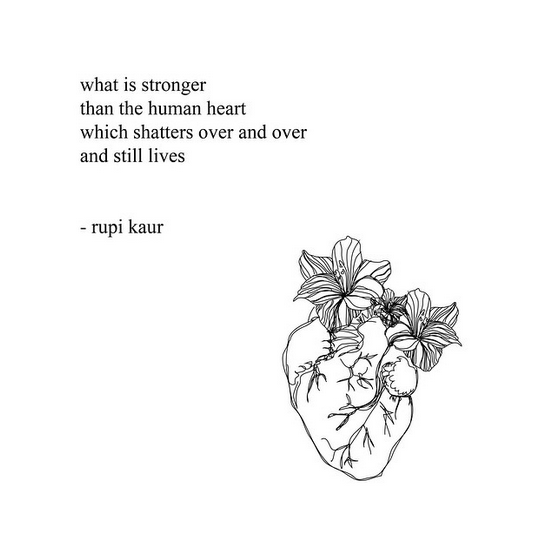
3. Truth: Loving and being loved is an antidote to suffering. No matter how much we love each other we can’t keep each other from suffering but weirdly that means we should just love each other that much more. I keep saying it, but it is still true: life is tender and terrible, beautiful and brutal — keep your heart open. And expect it to break, again and again. That’s the good news and the bad; as big as you love is as much as you are going to hurt. Do it anyway.
One wish: Even knowing how much we are going to hurt as a result, may we continue to be generous with our love and attention, may we keep our hearts open in the midst of suffering and chaos, and may we find comfort in our connection to each other, in the shared weirdness that is being human.
5. Stand Against Suffering: An Unprecedented Call to Action by Buddhist Teachers. “Buddhism does not align itself with any party or ideology. But when great suffering is at stake, Buddhists must take a stand against it, with loving-kindness, wisdom, calm minds, and courage.” Which will come in handy considering what’s next on the list…
14. The Reason Your Feed Became An Echo Chamber — And What To Do About It. Just to be clear, I don’t actually think an echo chamber is always a problem. Sometimes you need to hear yourself, need to have yourself reflected back to you. Sure if that’s ALL you do, it could become neurotic, problematic, but to say that it’s inherently a problem doesn’t feel workable to me. And just because I’m in community or conversation with people who share the same basic values or beliefs doesn’t mean we have nothing to learn from each other. So, there’s no reason to abandon the echo chamber entirely. If you are using it as a way to remain willfully ignorant, sure; but if you are finding support and learning something, hang out if you want.
23. Wisdom from Melissa Toler, from her recent newsletter where she talked about opting out of diet culture:
On opting out of diet culture:
1. stop putting your money, time, and precious life energy into constant weight loss
2. eliminate any and all media (magazines, social media, etc) that idealizes and celebrates weight loss (believe me when I tell you there will be almost NOTHING left)
3. *do the internal work necessary to eliminate diet mentality…it’s an uncomfortable daily process*
4. don’t concern yourself with what other folks are eating and how they are (or are not) working out
5. don’t comment on the size and shape of someone else’s body
There are many more things you can do to opt out, but this list is a good start. It’s not going to be easy, but it will be worth it. The bottom line: diet culture denies us the right to exist peacefully in our bodies as they are. I can’t think of any good reasons to keep participating in it.
24. Wisdom from Diane Ackerman, “I don’t want to get to the end of my life and find that I have just lived the length of it. I want to have lived the width of it as well.”
25. Roaring Gold, “an evergrowing collection of essays, poetry, quotes, and media documenting and illustrating the lives and experiences of people of color within the social justice movements aimed at colonization, anti-blackness, and patriarchy. RG concentrates on the empowerment and celebration of marginalized communities by centering and appreciating their voices in tangible ways.”
27. Richard and Jaco: Life with Autism. “‘I’m being led by the hand by my child, not the other way around.’ – Jaco has autism. His dad, Richard worries about how he’ll fit into the adult world.” In related news, 6-year-old with autism has weekly reading date at animal shelter. “Jacob Tumalan, who has autism, once seemed to lose his verbal skills. But thanks to a collection of books and dogs at his local shelter, he’s now thriving.”
30. A Beloved Canadian Folk Artist’s Paintings Now Sell for $20,000. “Despite her deformities, Maud Lewis answered an ad seeking a housekeeper for a tiny one-room home in rural Canada. There she would become one of the country’s most beloved folk artists.”
31. Wisdom from Syed Hussan, (by way of Desiree Adaway), “Decolonization is a dramatic reimagining of relationships with land, people and the state. It requires study. It is a unlearning.”
35. Wisdom from Matthew Lecki (by way of Christian Fabien), “Overtly racist white people are the sword of white supremacy. Silent white people are the shield.”
36. The Heineken Ad Is Worse Than The Pepsi Ad, You’re Just Too Stupid To Know It. “This commercial is the worst type of propaganda. It tricks you into thinking social problems can be resolved if only people tolerate their oppression just a LITTLE while longer. It pushes the idea that bigotry, sexism, and transphobia are just differences of opinion that are up for debate, and deserving of civil discourse and equal consideration.”
37. Burg’s Place fundraiser. I know I already shared this last week, but it’s even more important now — Burg has been diagnosed with a very aggressive type of leukemia, given a prognosis of two weeks to three months. So many people’s hearts are breaking, including mine.


 Open Space Practice, (AKA: A Thousand Shades of Gray)