
This is one of those posts, kind and gentle reader, that is at this moment as much of a mystery to me as it is to you. All day I have been thinking about what I wanted to tell you, what I had to say, to share, without being sure exactly what I would write. There is a big shift happening in my life right now but it’s not entirely clear to me how this is going to work out so I haven’t formed a neat and tidy way of communicating it. All I know for sure is that I want to tell you the truth.
I finally had an appointment with my new doctor. I have been struggling with fatigue for the past few years, have hypothyroidism and a family history of diabetes, (all kinds, on both sides), am most likely perimenopausal, and don’t get enough rest. I am a highly functioning food addict who has struggled with disordered eating for 30+ years, having gained, lost, and regained the same 20 pounds at least that many times. I want to be free of it, this struggle and dis-ease. I want to be strong, healthy, and whole, with the energy and stamina necessary to do the work I long to do, to live a full life.

Things have to to change. A series of unfortunate incidents with my previous doctors made me realize that I wasn’t being cared for as well as I should be, that I needed to seek out a new perspective, someone who would view me as a whole person (not just a body) and consider all the potential healing modalities available. I chose someone who practices Integrative Medicine, which according to her, “evaluates the patient as a whole. It does not view the patient as a chronic disease, an illness, a list of medications, or a recent hospitalization–but rather as a complex being made up of physical, mental/emotional, and spiritual parts all interdependent and woven together. All of these elements are respectfully addressed in developing strategies to treat illness and more aggressively prevent disease.” Sounds great, doesn’t it?
It was good. But, we have some work to do. I have something to teach her about dealing with people who have a history of dis-ordered eating and self-loathing. For starters: don’t call them obese, no matter what the BMI chart says. And for heaven’s sake, don’t call them obese repeatedly. Call them curvy, solid, voluptuous, thick, full, well-rounded, sturdy, slightly heavier than optimal, weighted down–but don’t call them obese.
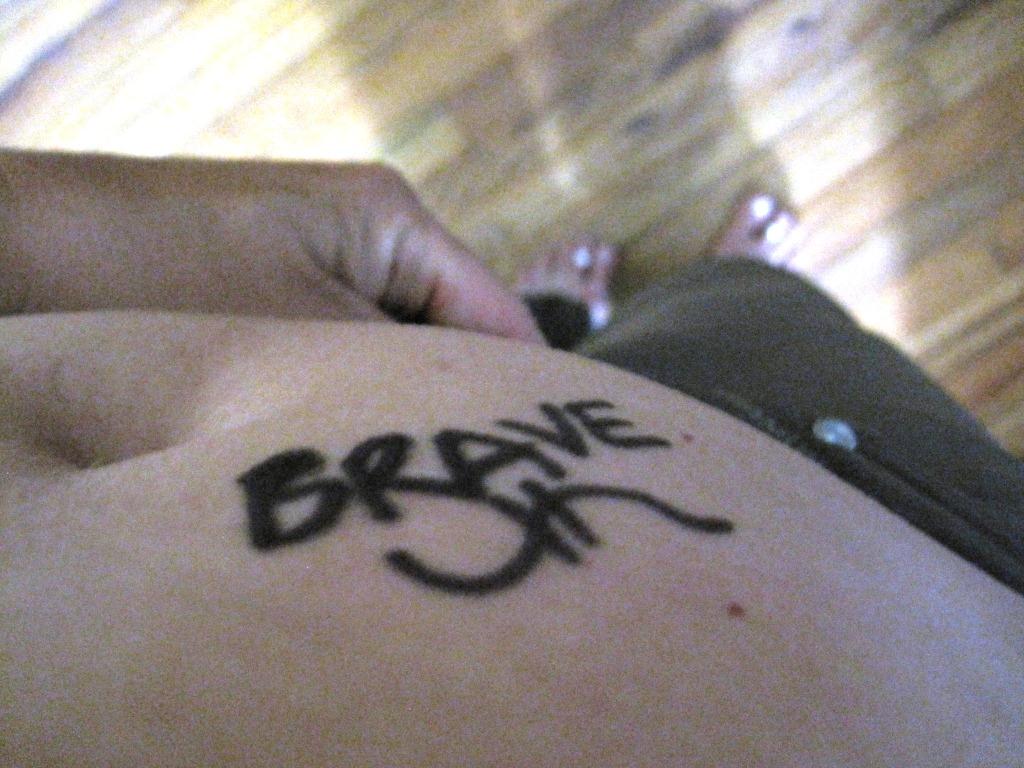
I get it. I need to lose some weight. It’s the same weight I’ve been losing and gaining for years. I already knew that. I get it. It’s there, in part, because I am an incredibly sensitive and porous person, without natural thick skin or any other kind of protective barrier between myself and the energy of my environment, the suffering of every person I encounter, the meanness and brutality of life. I am easily hurt, and I eat my feelings. This in turn makes me bigger, more stable and substantial, heavier, harder to knock down, safer, calmer (at least in theory).
What she said hurt me. I’m pretty sure she thought I was confused about my situation, didn’t realize it was serious, and that this “truth” would motivate me to change. In reality, it sent me into a shame spiral. Thank goodness that same afternoon I was leaving for a retreat with Susan Piver, had a safe, supportive space to go in which to process what she’d said. I truly believe that without my practices, the support and wisdom I have access to, she would have only made things worse with that one word. I’m hoping the next time we meet, I can effectively and kindly communicate this to her so that she is better able to help the next person like me, a person who might not have the support, the tools I do to process and cope.

For now, I get back to the work of educating myself. Along with Susan Piver, her support and wisdom and our shared practice, I am so grateful for the work and friendship of Rachel Cole. Both of these amazing women, (along with such writers and healers as Geneen Roth and Tara Brach), remind me to always approach myself, my struggles, with gentleness, to give myself space and compassion. In this way I can face this transition, which is going to be so difficult, with wisdom and lovingkindness–because this is so much more about loving myself than about what I do or don’t eat.
I can also count on the people in my life who love me to support me, encourage and help me, to make me smile, to laugh. Like my trainer, who after hearing what my doctor had said was extra encouraging to me when we worked out, telling me much more often than normal what a great job I was doing, (seriously, it was adorable). And my husband, who told me “we’ll figure this out, you’ll know what to do, and I’ll help you,” who loves me, is more concerned with the size of my heart and how much I love him back than a set of numbers anyway, who won’t judge me when I eat a cinnamon roll the size of my head. And my courage circle and other friends who reminded me of how much I am loved, of my real value, my truth worth. And my friends who gave me recommendations when I asked them for a kind and gentle therapist who works with dis-ordered eaters.
I can find and accept help, but more importantly I can trust myself.
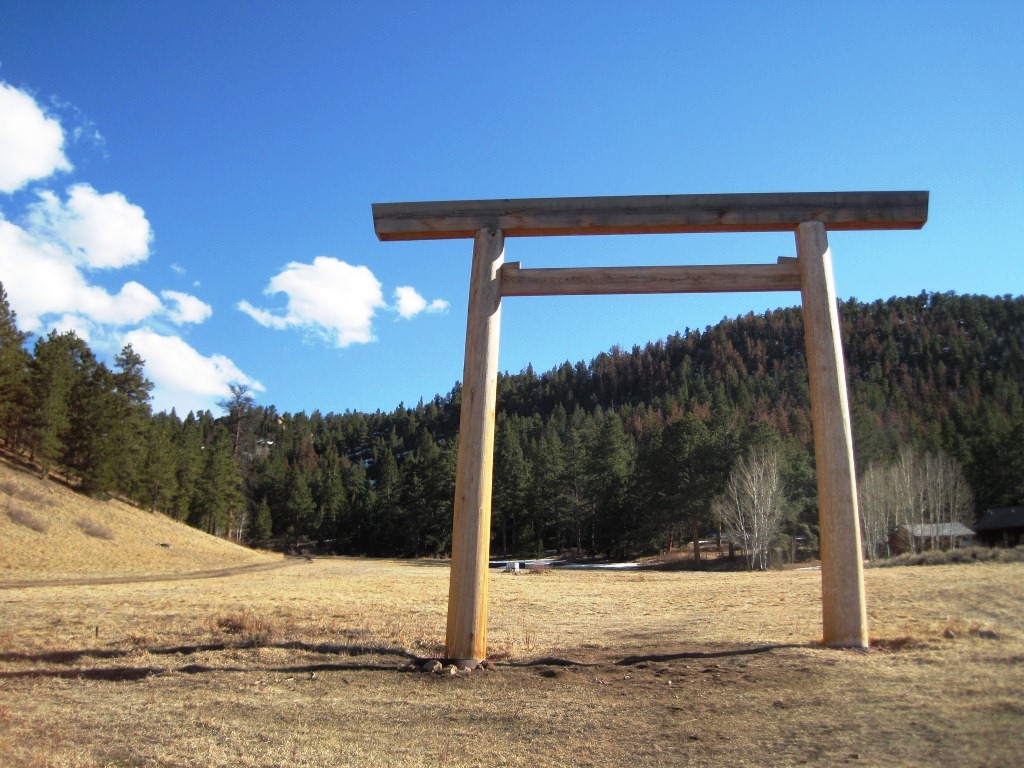

 Open Space Practice, (AKA: A Thousand Shades of Gray)