
 I’ve learned a lot from teachers, from practice and study, but the one place that continually amazes me with its wisdom: nature. I’ve often said that for me, going hiking or on a long walk, climbing up a mountain or standing on the beach, or even just sitting in my backyard is like church, especially if there’s a dog or two with me. There’s just something about the ground, the sky, the trees and rocks and dirt and blooms and bird song, that makes it easy to understand what otherwise is confusing, complex. There’s a quiet, a spaciousness that allows contemplation and insight, fosters contentment.
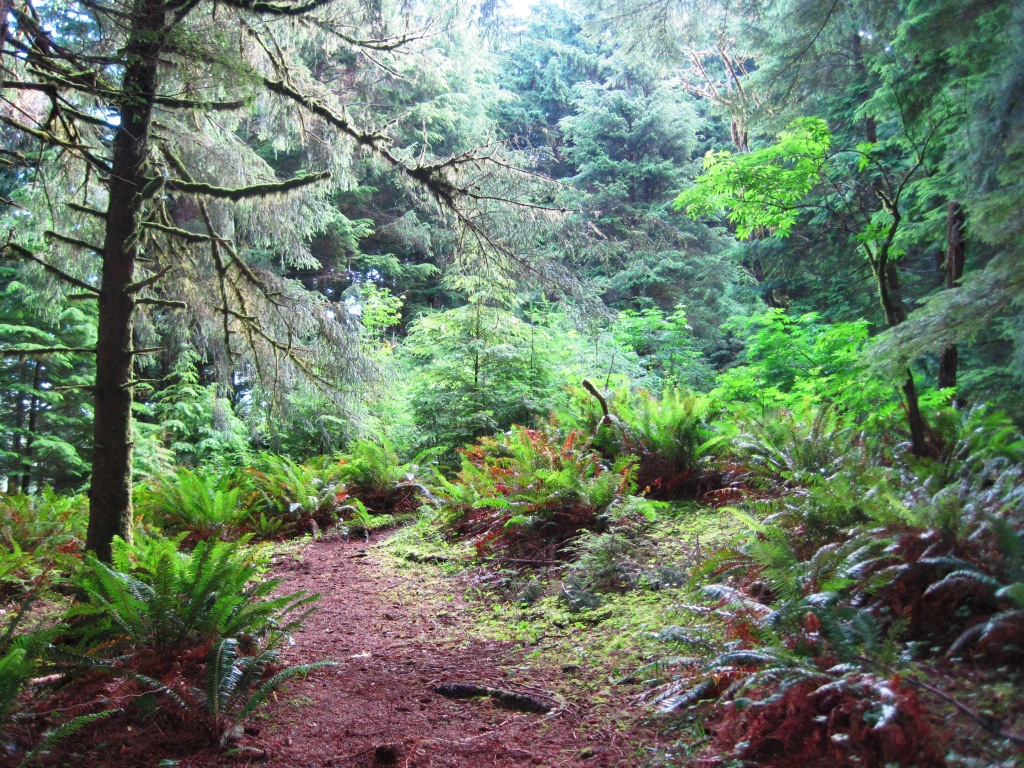 I can’t be in a place like this and be distracted. I am grounded in my own body, my own breath, present for each step. It’s a particular kind of magic, medicine.
When I realized Kelly was actually going to die, nature comforted me. She’d been sent home from the hospital, hospice was there, her body failing her, but somehow I still hoped for a miracle, my faith equaling how much I wanted her to live. But when her husband posted on Facebook that she’d slipped into a coma, there was nothing left to hold onto, no plans for “when she got better.” Rather than “the thing with feathers,” hope was the thing that had flown away. I felt utterly hopeless, helpless. I was in Colorado and Kelly was in Kentucky. There was nothing I could do, no phone call or visit to make. There was only waiting for the final word, the news that she was gone.
My front flowerbed had been neglected for months. With the latest update, hope’s departure, I went out and got on my knees in the dirt, pulling weeds, trimming and clearing. It was as close to praying as I could get, reminded me that even as things die, life continues, things turn green and bloom.
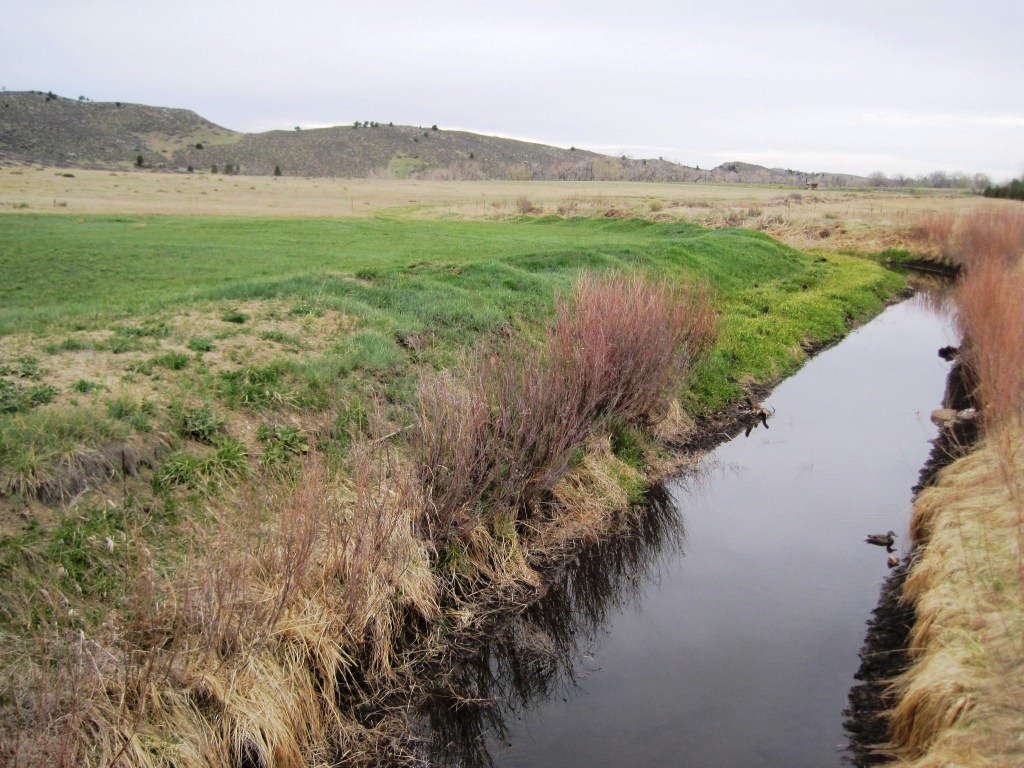 This morning when we were walking, Eric said “look at how much greener it is where it burnt.” A whole area had been cleared by fire and was growing back, a riot of green next to water still black with ash. Whether on purpose or accident it doesn’t really matter, space was made, new growth happened. We get so upset, often rightly so, when we lose something we love, but sometimes the worst thing that could ever happen is also a catalyst for growth.
It reminds me of that haiku by the Japanese poet Masahide, “Barn’s burnt down — now I can see the moon.” Losing Obi and Kelly, and then Dexter, were some of the worst things that ever happened to me, and yet that the depth of suffering, the weight of that sadness, caused a shift — woke me up. I am stronger, more content, have more to offer now.
Someone I loved once gave me a box full of darkness. It took me years to understand that this too, was a gift. ~Mary Oliver
Nature constantly brings me back to these truths. That nothing is ever really lost, even amidst the ongoing and sometimes catastrophic change. That the waves will keep coming, that they will knock you down, but you must keep getting back up or drown, that if you keep going it might get easier. That there is a season for everything. That death is real, happens to all of us, all of it. That after the longest, coldest, darkest winter, the blooms and fruit return. That even though there are tigers above and tigers below, we can taste the sweetness of a strawberry in this moment.
 And, basic goodness is real, it exists and is fundamental. When we saw the above patch of grass, Eric said “each blade has a drop on it,” and it made me think about how each one of us has the same basic nature. Both yogic philosophy and Buddhism talk about this essential goodness, this natural state of vast openness. Certainly we get confused about it, act as if it’s not true, generate so much suffering, but that doesn’t change the fact that “each blade has a drop on it.” You can call it love or compassion or divinity or wisdom, but it’s there — in all of us, in every thing.
Nature is the place I see this the most clearly. I think about how an apple tree doesn’t question what it has to offer, but rather rests in its genuine and natural wholeness. It stands as it is, takes on the nourishment available to it and produces fruit. It never asks “is this apple good enough” or “maybe I should make peaches instead,” it just is. And when it’s time to let go of its fruit, and later its leaves, it lets them go. There’s no clinging or attachment or fear, there is simply surrender.
Nature provides both space and wisdom. If I show up and pay attention, there is so much to learn, such sanity and intelligence, so much support and comfort. In that connection, that relationship, I can slow down, find clarity, breathe.
 Open Space Practice, (AKA: A Thousand Shades of Gray)