
 I am living in an in-between time right now. I can see a new path, a better way, and yet my old habits and ways of being run deep. I end up feeling like two people, like I’m living two lives, having two different experiences simultaneously. One version of me is committed to spiritual practice, to cultivating compassion and wisdom, to easing suffering, and can see the way through. The other version of me is still addicted, disordered, dysfunctional, confused, tired, and when she comes up against an obstacle, wants to give up, sinks down into the deepest despair.
When I woke up in my life, and decided to stay awake, to open my heart, to show up and be present, to allow the world to touch me, I went from being numb to being so incredibly tender, about everything. I feel joy more intensely, but I also feel pain in equal measure.
Hardest to shift is my sense of needing to be in control. I feel responsible for everything, for everyone. I am hypervigilant, always looking for what needs fixed, where I can help. If something goes wrong, I blame myself. I cling to the belief that if I am properly prepared and paying attention, ready, I can keep us all safe and happy. It’s exhausting. Worse yet, it never works, never has.
I’ve been contemplating this need I have for control, how I act on it, am hooked by it even though I know it isn’t possible or true. I’ve been writing about it, discussing it with friends, and talked with my therapist about it. Then someone posted this quote from Pema Chödrön on Facebook.

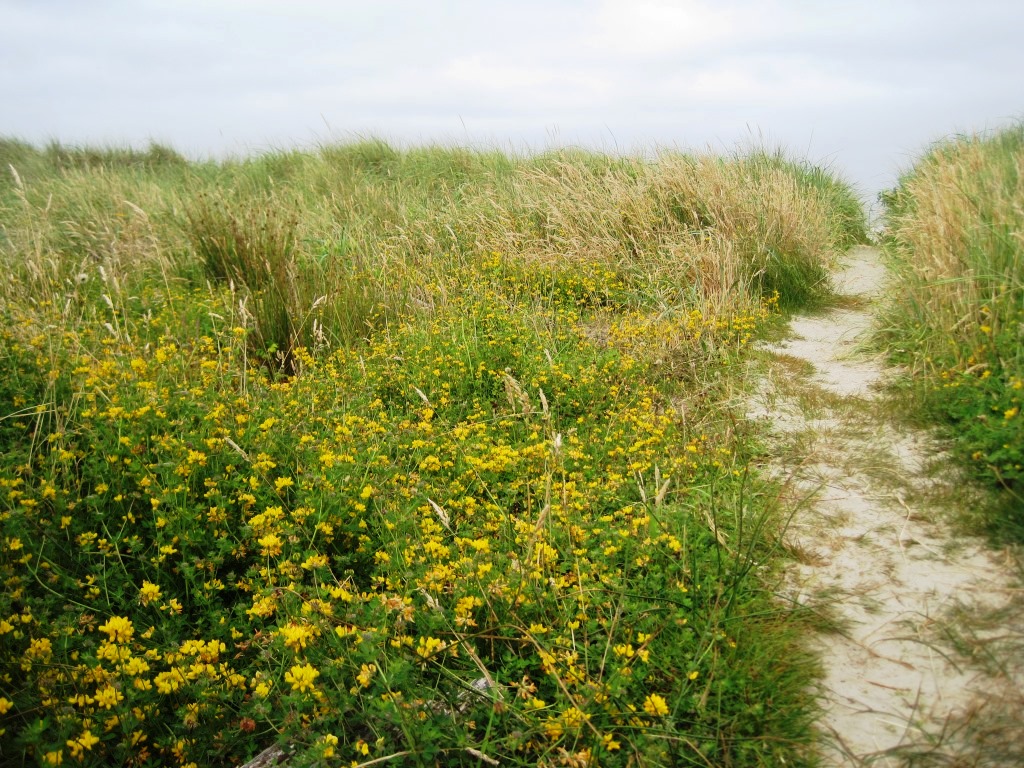
Photo by Jeff Warshaw
Sometimes when I am struggling with something, confused and looking for an answer, the answer just comes, like some kind of magic. After I saw this quote, I sat down to meditate. My practice recently has begun by reading a passage from Pema’s book When Things Fall Apart. Each chapter is only about 3-5 pages long, so it’s easy to read one just before I meditate. I’ve read this book twice already, and this time I’ve been underlining and making notes — making a mess of it.
When I sat down yesterday to read, I thought I was on the chapter about doing no harm, but when I opened the book, I realized I’d already marked up that chapter. I was actually on “Hopelessness and Death.” It was exactly what I needed, at exactly the right moment.
One section in particular had me in tears.
Hopelessness means that we no longer have the spirit for holding our trip together. We may still want to hold our trip together. We long to have some reliable, comfortable ground under our feet, but we’ve tried a thousand ways to hide and a thousand ways to tie up all the loose ends, and the ground just keeps moving under us.
When I talk about wanting to give up, I mean the whole thing. All of it. I want out, want it to be over, think in that moment that I just can’t go on, can’t do it anymore. Pema, in this chapter, talks about a different kind of giving up, another version of surrender. She suggests that hopelessness (“giving up all hope of alternatives to the present moment”) is something to cultivate, the place to start. She ends the chapter with this,
Giving up hope is encouragement to stick with yourself, to make friends with yourself, to not run away from yourself, to return to the bare bones, no matter what’s going on. Fear of death is the background of the whole thing. It’s why we feel restless, why we panic, why there’s anxiety. But if we totally experience hopelessness, giving up all hope of alternatives to the present moment, we can have a joyful relationship with our lives, an honest, direct relationship, one that no longer ignores the reality of impermanence and death.
Today, on this day of rest, I am contemplating hopelessness, and practicing giving up in a whole new way.

 Open Space Practice, (AKA: A Thousand Shades of Gray)