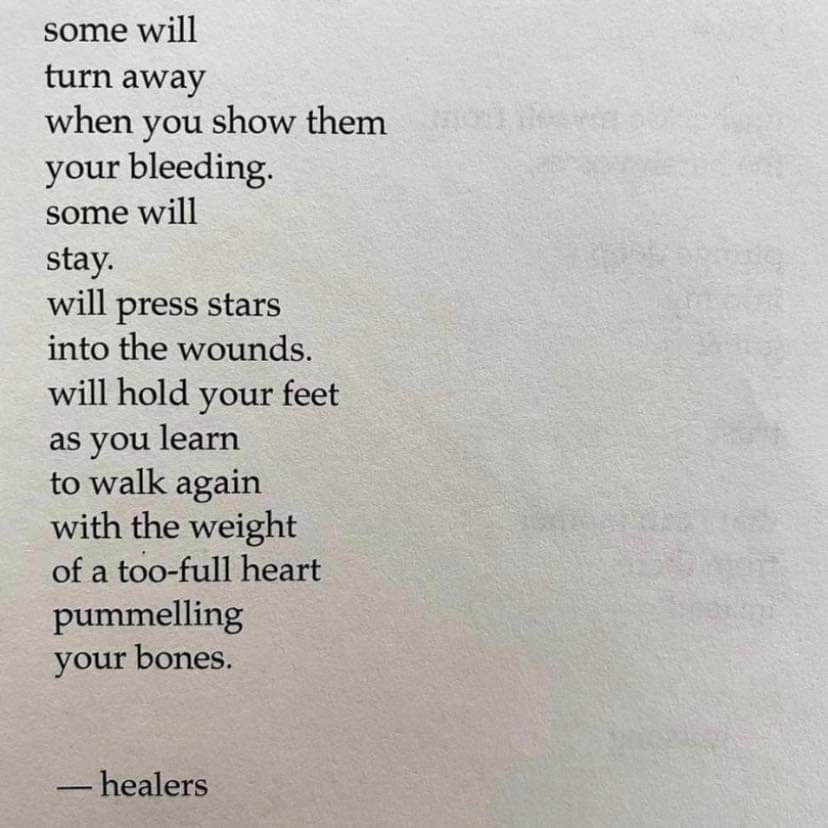
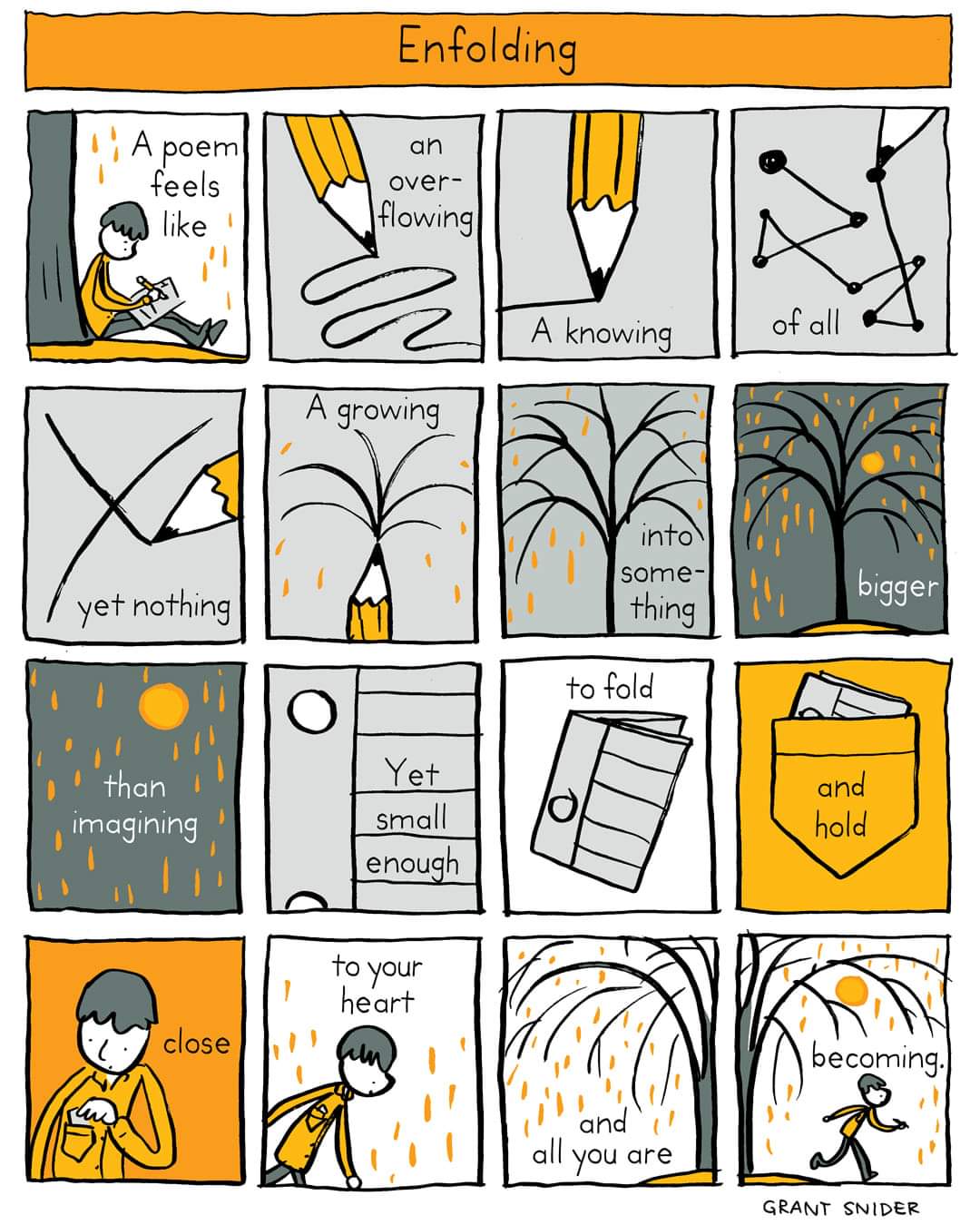
1. Truth: I’ve been thinking a lot about the lifecycle of a butterfly. It started because I was thinking about how it’s becoming clear to me that while I’ve done lots of study and made efforts to “heal,” I’ve skipped a step — a big step. I gathered all the information, the knowledge, and the help, I’ve done the practice, read all the books, but I didn’t actually allow the unraveling, the breakdown required to breakthrough and transform, to internalize and embody what I know, what I’ve experienced. I’m afraid I’m a caterpillar who put on a pair of fairy wings, those kind you can get at a costume store or in the kid’s toy section, made of wire and mesh and glitter and ribbons that you strap on by putting your arms through elastic loops. I think I’ve evolved but I’m still a caterpillar, wearing fake wings and believing I can fly.
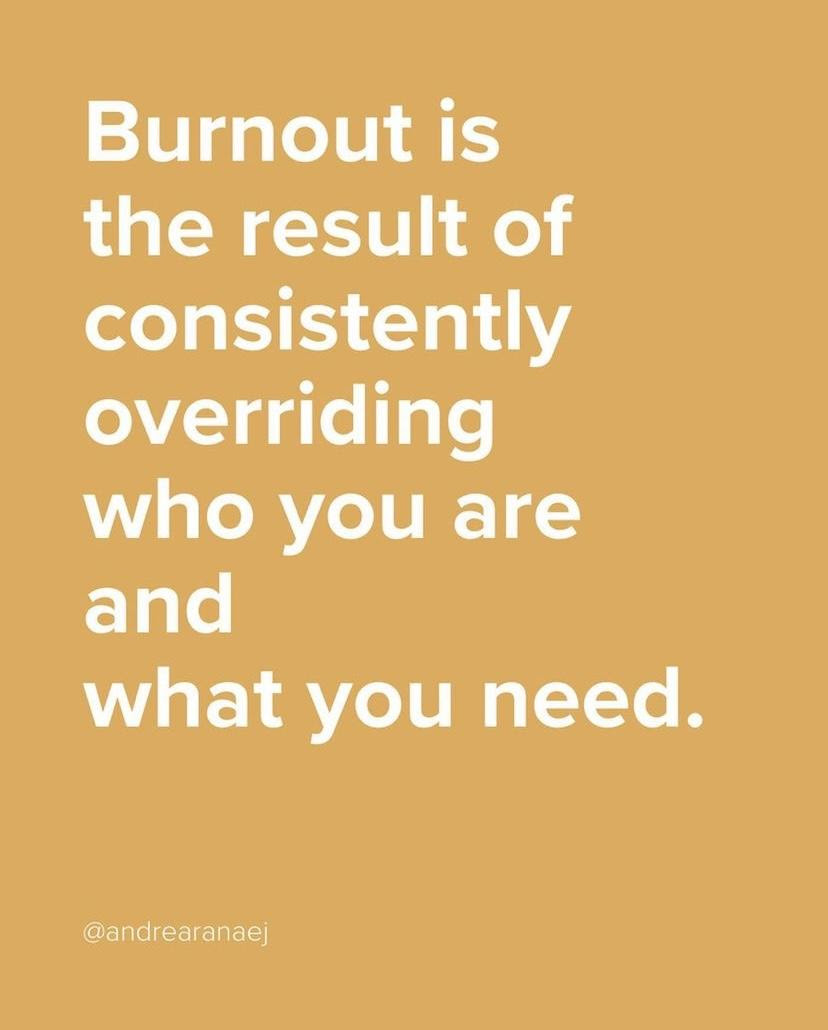
2. Truth: For a long time, I’ve thought what I’m feeling is burnout. And it was, in the way Andréa Ranae describes it: “Burnout is the result of consistently overriding who you are and what you need.” It’s the “why” that I got wrong. I blamed my job at CSU, then came COVID and losing Sam & Ang, then it was menopause, then my Dad dying and his death, which coincided with my mom’s stroke and resulting dementia. And yes, those things all contributed, but they aren’t the true source. It’s me, my insistence that I’ve dealt with it, that I’m through it, that I’ve “moved on.”
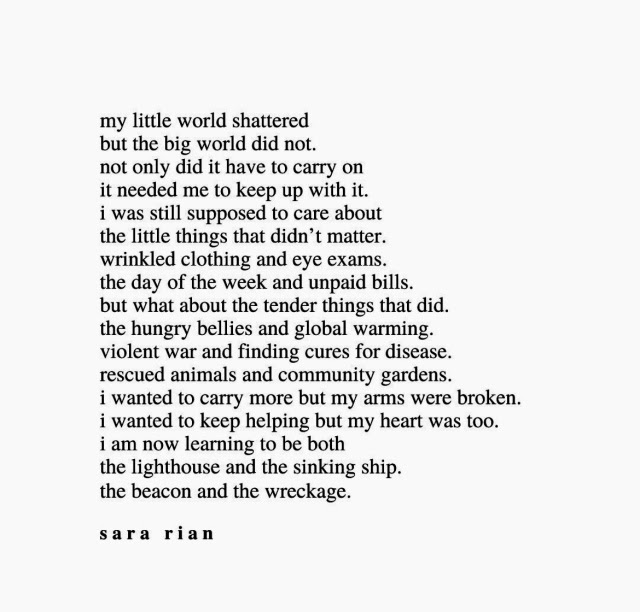
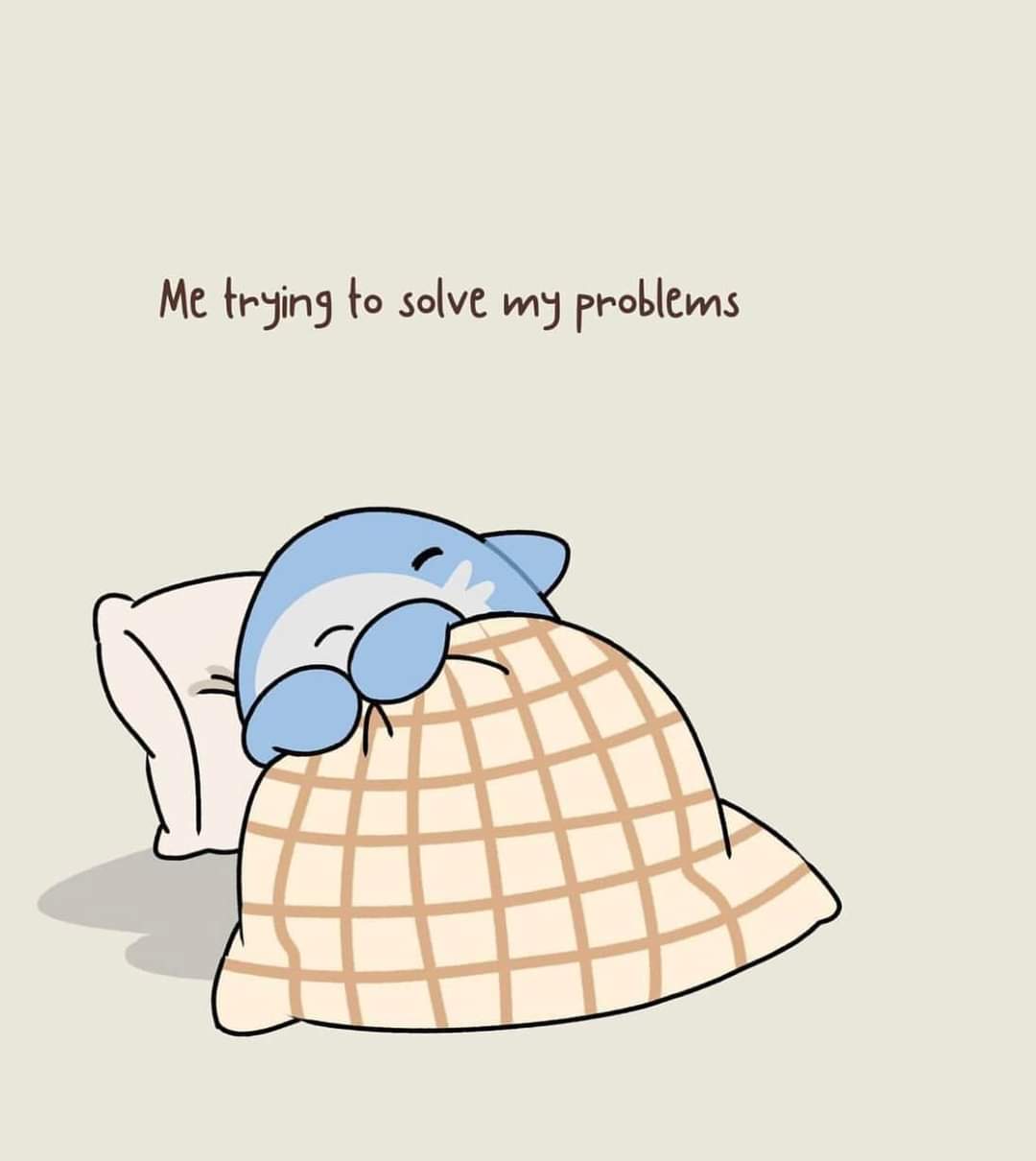
3. Truth: The only cure is to feel what I am feeling. Stop running from it, stop avoiding it, and let the crash happen. I have been afraid to feel the true depth of all those things that happened, thought I could name them, see them, and be done without the full heartbreak, the ruin and reorganization required to undergo a complete metamorphosis. I wanted to skip all that, the mess and the discomfort. And yet avoiding it is exhausting and no longer even workable (if it ever was), certainly not sustainable.
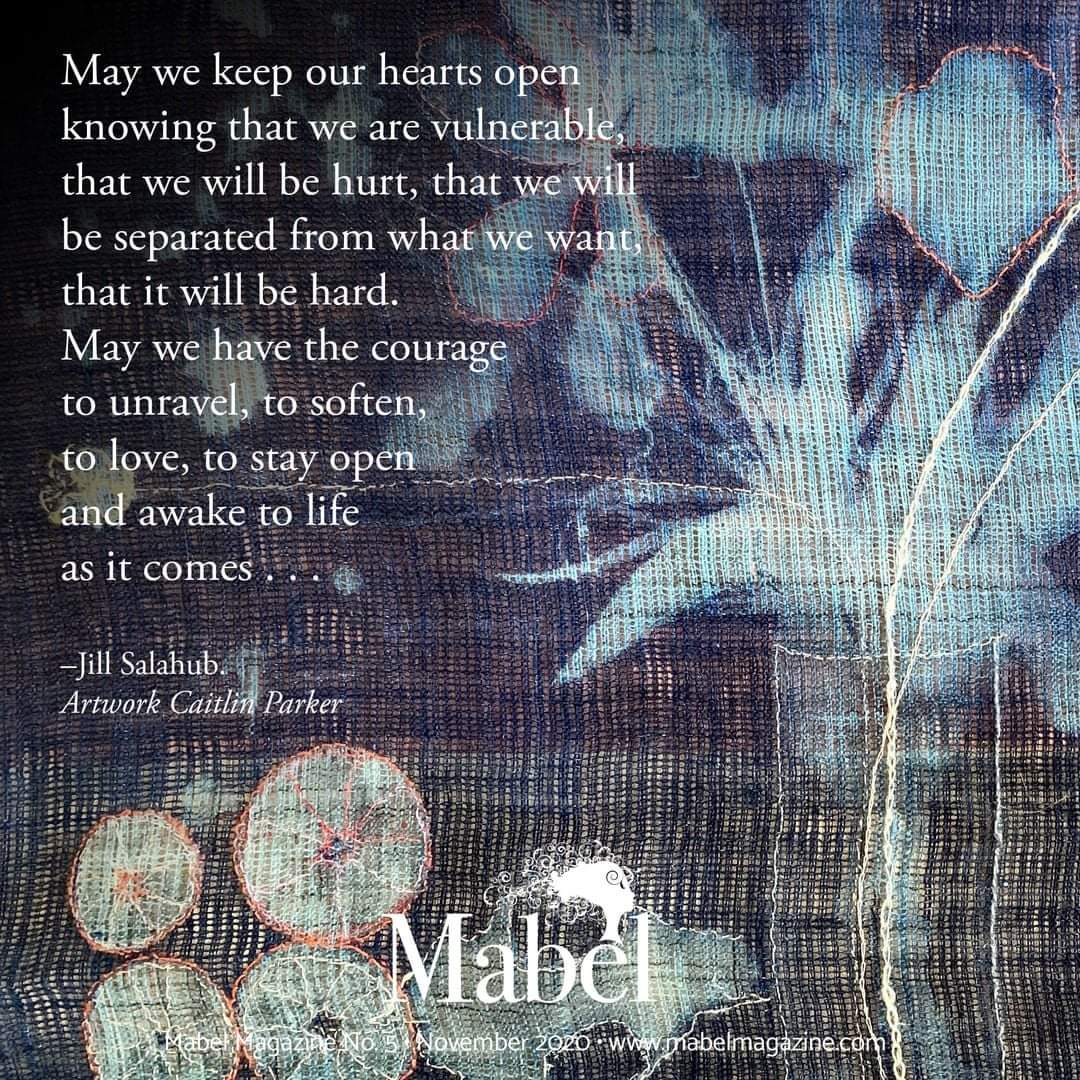
One wish: May I keep my heart open to all of it, the grief and the grace.
9. Wisdom from The Tyranny of Tidiness, “& the artist Anna Brones on the fertile mess of a creative spaceAndréa Ranae” from The Isolation Journals with Suleika Jaouad.
10. Gratitude for Difficult Things from Satya Robyn on Going Gently. “What I am sharing is that sometimes, after months or years or decades, we do begin to see glints of treasure in the darkest of our times. We find that, afterwards, we feel more tenderness towards others. We see that our troubles gifted us the ability to finally speak up for ourselves. We see that by showing us our edges they encouraged us into the arms of something vast, wise and loving.”
12. Playful, intricate Japanese leaf art – in pictures. “Almost every day for the past five years, the Kanagawa-born artist Lito has drawn an image on to a leaf – usually a jaunty scene from the animal world involving, say, a biker-dude rabbit or a frog in a phone box – and carved it out with a scalpel before posting a photograph to social media. A painstaking process, it nonetheless suits Lito’s ‘propensity to devote long hours to detailed work’ – a diagnosis of ADHD aged 30 was what prompted him to quit his corporate job and start carving leaves for a living. And a living it is: he’s sold 300,000 copies of his leaf-art books to date and exhibits his work throughout Japan. The combination of playful Studio Ghibli-esque imagination and exhaustive attention to detail is central to the appeal.”
13. Guided Somatic Meditation for Emotional Release. (video) “‘Movement itself is a great tool for expressing emotion.’ Join dance psychotherapist and somatic practitioner Jennifer Sterling for an eight-minute immersive movement oriented meditation. Here she uses Simon Hantaï’s Untitled [Suite ‘Blancs’] as an entry point to building somatic awareness. ‘There’s no right or wrong way…We learn to use our bodies as a tool for information gathering.’ As Sterling invites you to orient, meditate and move with her, reflect on what feelings are present in your body. Artful practices are tools that can translate to everyday life to help soften distress, increase joy and support overall well-being.”
15. How we can meet the challenges of authoritarianism. “This is not our first rodeo with authoritarianism. Americans have collectively risen to seemingly impossible challenges in the past, and we can do so again.”
29. How France uncovered the mystery of the forbidden photos of Nazi-occupied Paris. “‘It’s the story of a normal man who tried to fight, even if he was in front of the biggest army of that time, in front of colleagues who could be traitors,’ he says. ‘It’s the story of courage, of the love of his wife who wanted to know what happened to him. So it’s a universal story.'”










 Open Space Practice, (AKA: A Thousand Shades of Gray)