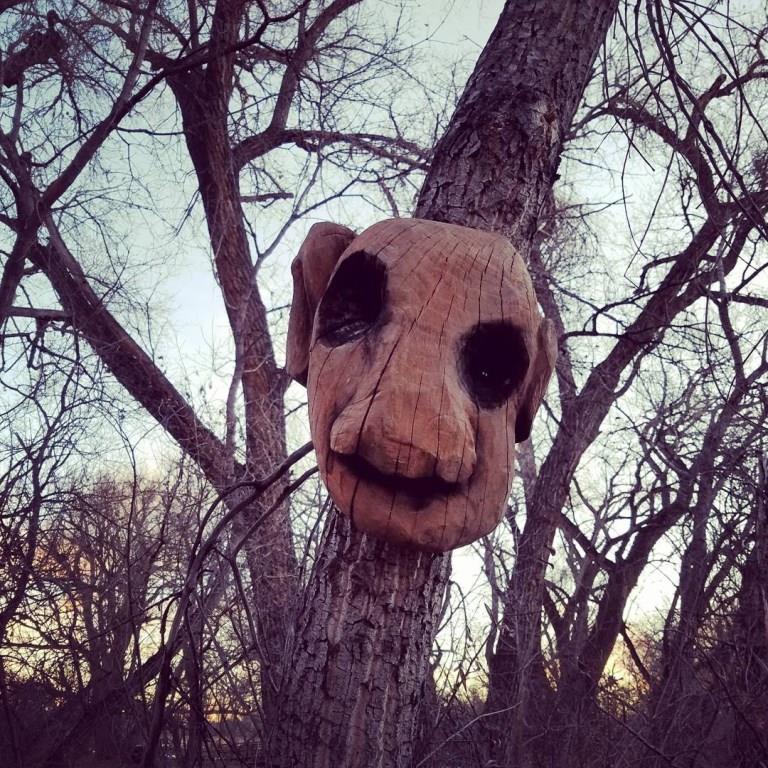
 As I mentioned in my last post about December Reflections, it is hosted by Susannah Conway as a “chance to weave some mindfulness and calm into our days in the run up to 2018.” She posts a set of prompts, and participants post responses — mostly on Instagram but also on their blogs. It’s a lovely way to end the year. If you don’t follow me on Instagram, or even use it, here’s what you missed of the second part.
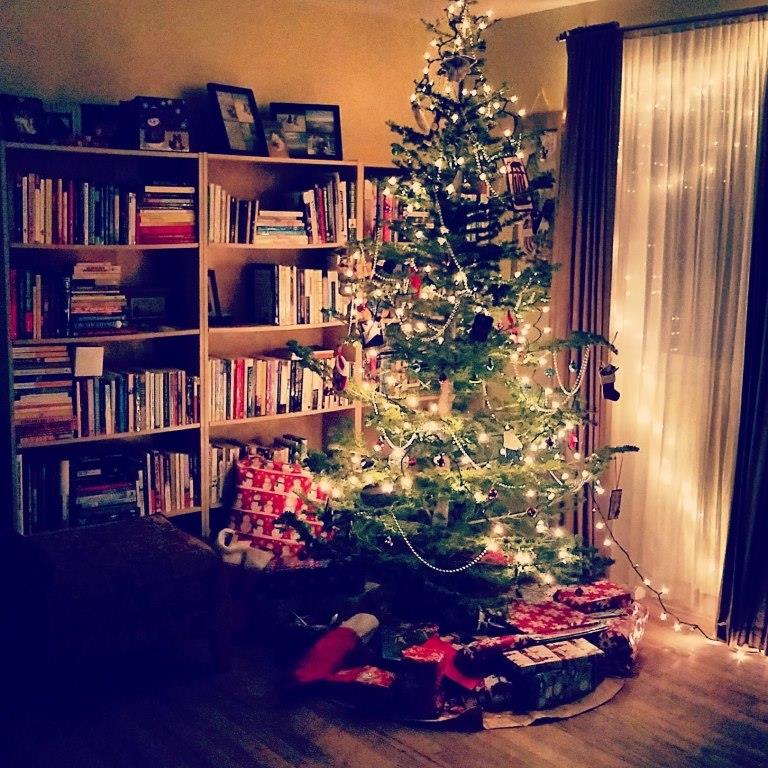
Day 25: Today is… Always bittersweet, for many reasons. We miss our families, all the effort of planning and buying and wrapping feels like it doesn’t amount to much, and this liminal season between now and the new year is a time of surrender, letting go of all the big plans and all the things that won’t get done, and at the same time it’s the opening of a new season of doing when I already feel so done. Today is also sweet, quiet, peaceful, and filled with love and light. As you celebrate (or opt out), take a moment to think of those who have broken hearts or no place to go this season (including yourself, if it applies) and make a wish that next year, things will be better.
 Day 26: Evening. When we practice patience.
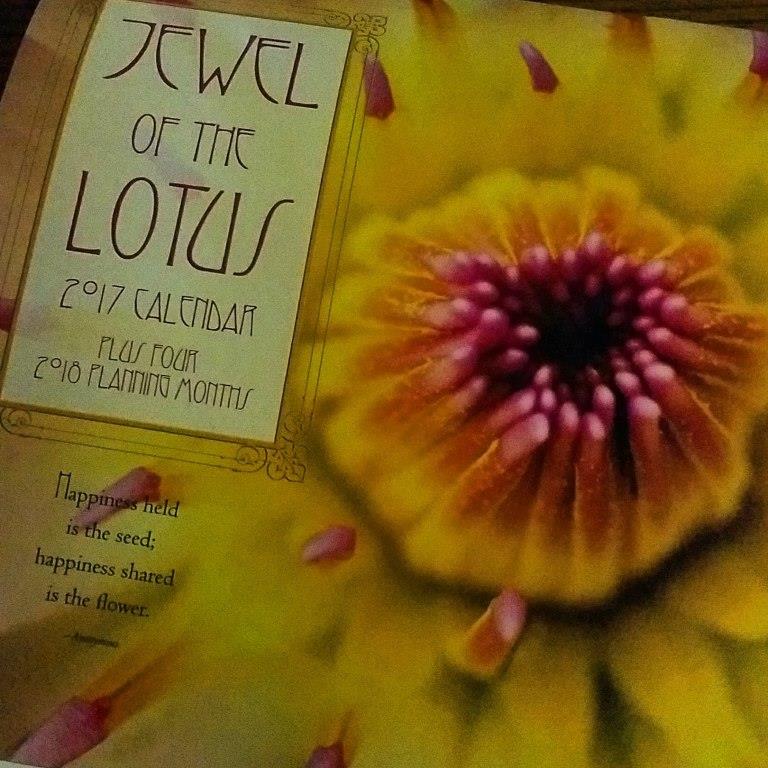 Day 27: 2017 taught me… Change and healing take so much longer than I expect, and I need to be patient. It can look on the surface like nothing is happening, can feel like being stuck, but something is being cultivated and will eventually arise.
 Day 28: My wish for 2018…that humans cultivate compassion and wisdom, generate sanity and love, and act accordingly.
 Day 29: My eyes. My mom and brother have blue eyes, my dad’s are dark brown. Mine landed somewhere in the middle, that magic no color and every color – hazel. The color shifts depending on the light or what color I’m wearing, and sometimes they even seem to be two different colors. When Ringo Blue was a baby, I was very excited because his were the same color, but they shifted when he got older.
 Day 30: Thank you for…Light in the darkness.
 Day 31: My word for 2018…is not a word. Last year I went with “I don’t know what’s going to happen.” For 2018, I have intentions. No resolutions, no word. In the coming year, may I practice right speech, may I be more compassionate, may I be comfortable not knowing, and may I continue to seek my own truth without needing it to be true for anyone else.
Happy everything and always, kind and gentle reader. ❤
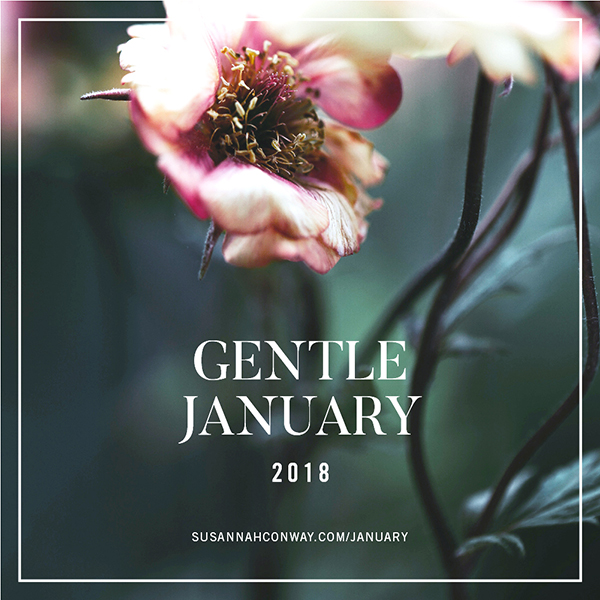 P.S. Susannah is hosting the same sort of project in January, Gentle January — “The idea is to simply take a photograph every day in January (and share it if you wish) to give yourself a moment to pause and be present. Let’s start the year as we mean to go on, yes? I’ve created a list of prompts you can use — they alternate between an “I” statement (I am, I love, I believe, etc) you can riff of and easy shoot-what-you-see photo prompts. Use these as your starting points and see where it takes you!”