Tag Archives: Chögyam Trungpa

Wild Writing: “As You Go Through Life”

The Poudre River, from our walk this morning, just before I noticed a mink running along the ice

The Poudre River, from our walk this morning, just before I noticed a mink running along the ice at the edge

We recently started our spring session of my Wild Writing class, and I’m so glad to be back at it. In class on Friday morning, after I read my last piece, Laurie said “blog it” before moving on to the next person, so here it is.

Prompt: As You Go Through Life by Ella Wheeler Wilcox. Laurie doesn’t typically share poems that rhyme, but like she said, this one just has too many good lines. I was surprised when I Googled it to find a link to share with you that it was published in 1910, that the poet is long gone.

“Bend and let it go over you.” I keep coming back to this when I’m teaching yoga — that balance isn’t about finding a fixed point and sticking there, stable and still, but rather it’s about all the tiny (and big) adjustments we make to keep from falling over, to stave off collapse, and how even collapsing, giving up and going over, is part of balance. We fall over, we soften into it, and then, if we’d like, we get up and try again.

It reminds me of the story Pema Chödrön tells about her teacher, how she asked Chögyam Trungpa in a moment she was having a really hard time what she should do, how to handle it, and he told her it’s like standing in the ocean, how each wave crashes into you, knocks you down, takes you in and under, but you get back up. And in time, you get stronger, you learn to move with the waves, and instead of feeling like you are drowning, like it’s so bad and so hard you are going to die, you are able to move with it, to meet and ride the wave. Bend and let it go over you.

I wonder if students who aren’t teachers understand that a teacher only ever teaches one of two things — what they know so well they have it memorized, so it’s safe and easy, requires no real effort and little attention; or we teach what we need to learn, what we are trying to figure out, what seems so big and complicated it feels like we’ll never be able to understand it, what terrifies us, what makes us tender. In one case we phone it in, in the other we send out an S.O.S., it’s almost a cry for help, but we know, we trust that there is help to be had, that our bones know, and if we keep asking the questions, either answers will come or we’ll surrender to not knowing.
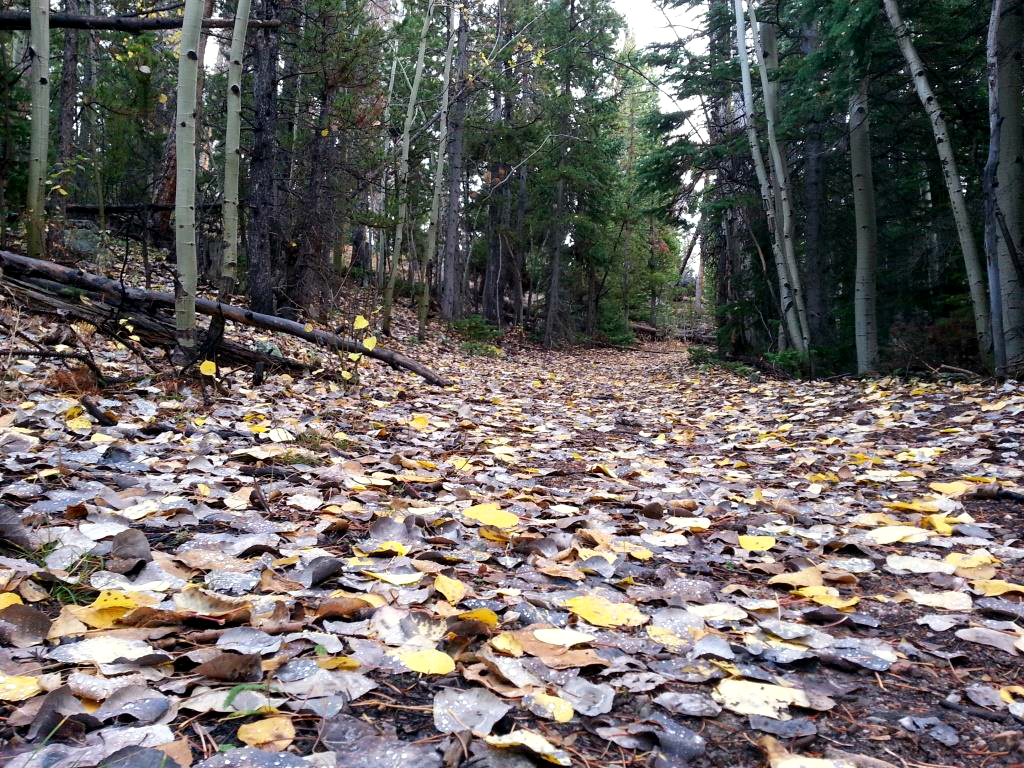
Day of Rest

image by Eric

image by Eric

I’m feeling sad and a little angry this morning, confused. One friend’s sweet dog was diagnosed with an autoimmune disorder that can be very painful, so young that I still think of him as a puppy. Another person I adore had surgery yesterday because her cancer is back. Someone else I love and who deserves to be happy, to stay happy, is getting a divorce. Another friend had a garage sale to try and make some money for next month’s rent. Someone else I can’t imagine losing is drinking herself to death. And I don’t even want to talk about all the stuff in the news right now. The thing we all want is to be happy, comfortable, at peace, safe, and yet it seems so hard to get there, to stay there.

Buddhism would say that’s the root of our suffering: the longing to not suffer, the desire to escape it. It’s a real Catch 22 — we long to not suffer, but the circumstances of living are such that suffering is our fundamental experience, so in the end it’s the wanting to not feel pain that causes it, keeps us caught in the cycle of suffering. In an email yesterday, Susan Piver shared a quote from Chögyam Trungpa’s book, Shambhala: The Sacred Path of the Warrior that makes the whole thing a little less confusing, more workable.

Discovering real goodness comes from appreciating very simple experiences. We are not talking about how good it feels to make a million dollars or finally graduate from college or buy a new house, but we are speaking here of the basic goodness of being alive — which does not depend on our accomplishments or fulfilling our desires. We experience glimpses of goodness all the time, but we often fail to acknowledge them. When we see a bright color, we are witnessing our own inherent goodness. When we hear a beautiful sound, we are hearing our own basic goodness. When we step out of the shower, we feel fresh and clean, and when we walk out of a stuffy room, we appreciate the sudden whiff of fresh air. These events take a fraction of a second, but they are real experiences of goodness.

If we are willing to take an unbiased look, we will find that, in spite of all our problems and confusion, all our emotional and psychological ups and downs, there is something basically good about our existence as human beings. We have moments of basic non-aggression and freshness…it is worthwhile to take advantage of these moments…we have an actual connection to reality that can wake us up and make us feel basically, fundamentally good.

This is in no way suggesting that we simply “stay positive.” Rather it’s suggesting that in our confusion, we don’t allow our suffering to make us blind to what is good, that we notice and pay attention to everything — the yellow of the leaves, a sip of clean water, even the feeling of sadness that arises when something difficult happens to someone we love because we love them and we long for them to be happy and safe. As always, this makes me return to the one thing that makes the most sense to me: life is tender and terrible, beautiful and brutal — keep your heart open.