

1. Poetry: All Day I Wanted To Cry and Before the Doctor from Julie Barton, and And Then It’s Exponential from Rosemerry Wahtola Trommer.
2. A Hall Pass from the Universe from Laurie Wagner. Laurie is also offering a free four day session of wild writing, Writing As Medicine, June 2nd – June 5th. It is such a beautiful, meaningful practice, and has been for me ever since I first wrote with Laurie twelve years ago.
3. Good stuff from Seth Godin: The most important decision, 1,000 fans (which sort?), Worthless noise isn’t information, and The 1:1 method.
4. Good stuff from Patti Digh: You deserve delight and Radical Tenderness is a practice, which implies practicing. Like, daily.
5. “We need you, We need you.” Kaira Jewel’s May 2025 Newsletter.
6. On The Morning Of A Massacre Of American Schoolchildren by Rita Ott Ramstad.
7. Unsilenced Bodies with Abigail Rose Clarke and Catherine Simone Gray. (video) “Why we need the subversive practices of listening to the body and listening to nature with Abigail Rose Clarke and Catherine Simone Gray. What does it mean to be in an intimate relationship with our bodies? How do we ‘follow our heart’? How do we ‘listen to our gut feeling’? How do we disentangle trauma responses from the deep, true voice of our intuition?”
8. Root Beer floats, Cartwheels & LSD…“the language of dying by Maria Elena Chilton (+writing prompts)” on Writing At Red Lights.
9. 10 things I’ve been telling myself, “Short & sweet reminders” from Meg Josephson.
10. Spring Lilacs, “Lessons in dormancy and renewal” by Kristi Marciano on Orion Magazine.
11. Sometimes a Rose is Just a Rose. “A conversation about gardening, loss, and the end of metaphor” with Yiyun Li and Manjula Martin.
12. Are you a people pleaser? It’s time to find out what you really want.
13. The people refusing to use AI.
14. I stopped feeling guilty about wanting a simpler life – Slow living reflections. (video) “Twelve years ago, I moved to the countryside in search of a simpler life. At first, I felt guilty — for slowing down, for not chasing the ‘normal’ path, for wanting something quieter. In this video, I reflect on what I’ve let go of since choosing slow living: the guilt around resting, the pressure to be productive 24/7, the inability to set boundaries, the notion that being an introvert was somehow wrong or the myth that I should be living a different live, chasing success like everyone else. I’ve learned to embrace intentional living and find beauty in life’s imperfections, accepting myself as I am. If you’re drawn to mindful living, life in the countryside, or just craving more stillness, I hope this resonates. This is a gentle reflection for anyone feeling out of place in a fast-paced world. Whether you’re exploring slow living, learning to embrace your introverted nature, or just dreaming of a slower life close to nature — this is for you.”
15. Navigating by aliveness from The Imperfectionist. “In a world where tech commentators confidently declare that we poor ignoramuses haven’t even begun to get our heads around what’s barreling down the tracks towards us, I think it’s good to stay fully, even slightly foolishly, committed to the idea that humans doing human things, with other humans, is and will remain at the vital heart of human existence. Because otherwise what on earth’s the point?”
16. Repeat After Me: AI Doesn’t Know Anything from Chuck Wendig on Terrible Minds.
17. I’ve been counting cans again: How do we live in these times? by Ijeoma Oluo. “If I can’t guarantee my safety in the world, if I can’t guarantee the safety of my friends and family, I can at least be a safe space for them, and they can be for me. If I can’t build a safe world, I can build moments of freedom and choose to rejoice in them. If I can’t protect our bodies I can protect our joy. If I can’t guarantee that I will be here tomorrow, I can at least ensure these words are here today.”
18. What Was The Summer Vacation? Everything and Nothing, All At Once by Anne Helen Petersen. “Last week, I asked Culture Study subscribers to describe their summer family vacations: where they went, of course, but also how they understood the purpose and meaning of their family’s choices. What did they remember? How has that memory shifted with time? Who did the labor? How did it feel? What mattered — and what didn’t? A few themes emerged — ones that are worth turning over as we approach this summer and the perceived demand for highly orchestrated family leisure.”
19. Heart of the Matter: A Special Series on Narratively. “In this collection, we explore everything from an epic heartbreak, to a life-saving operation with a twist, to a true mystery involving suspicious infant deaths, and more.”
20. Why building inspiring alternatives is necessary to counter authoritarianism. “Because resistance isn’t only about saying no, here are seven ways communities are building a future worth saying yes to.”
21. Craig Mod on the Creative Power of Walking. “From this boredom, words flow. I can’t stop them.”
22. #1000WordsofSummer 2025 FAQ, a really great writing “summer/boot camp” led by Jamie Attenberg that starts May 31st. And yes, I’m doing it. Join us?
24. Baby buffalo zoomies. (Facebook reel)
25. Visit one of Brooklyn’s greenest blocks in the heart of Flatbush. (Facebook reel) “On a rainy day in the middle of spring, East 25th Street between Clarendon Road and Avenue D is already bursting with life. The block has been crowned victorious in BBG’s Greenest Block in Brooklyn contest five times; many of the block’s gardeners now also mentor budding gardeners elsewhere in the borough. Neighbors Vera, Dian, Trevor, Luke, Trang, and Max were kind enough to show us around the block to talk community building and urban greening strategies.”
26. Elevated did Prince right with this 1st place performance. (Facebook reel) This gave me goosebumps.
27. Button-sized eggs and teapot cities: A peek into the big, wide world of miniatures.
28. ‘Pee-wee as Himself’ gives unprecedented access to an eccentric comedy legend.
29. ‘The Emperor of Gladness’ is a beautiful novel about hard work and found family.
30. The Brilliant Milky Way Connects Photographers Around the Globe and Beyond in an Annual Contest.
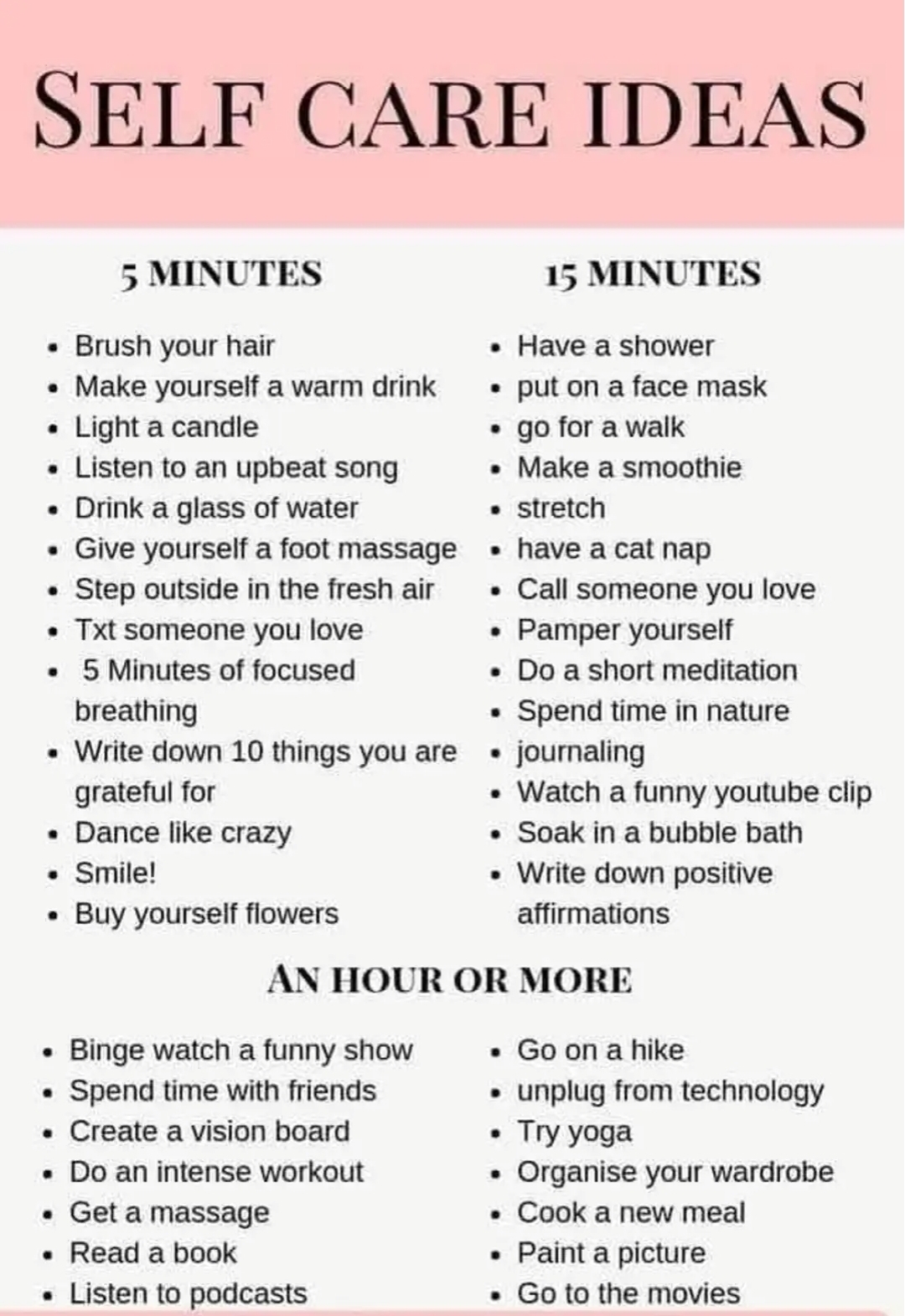
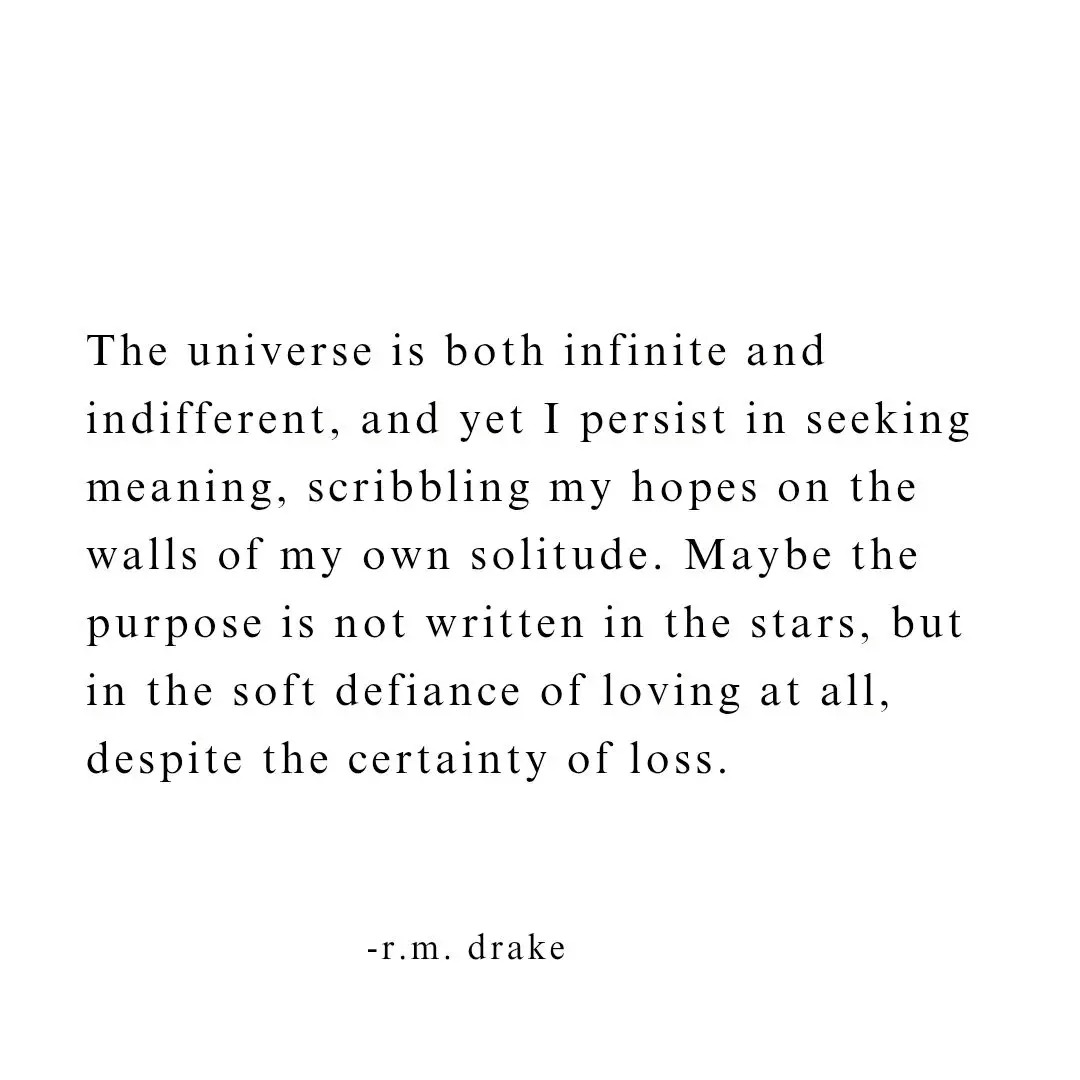
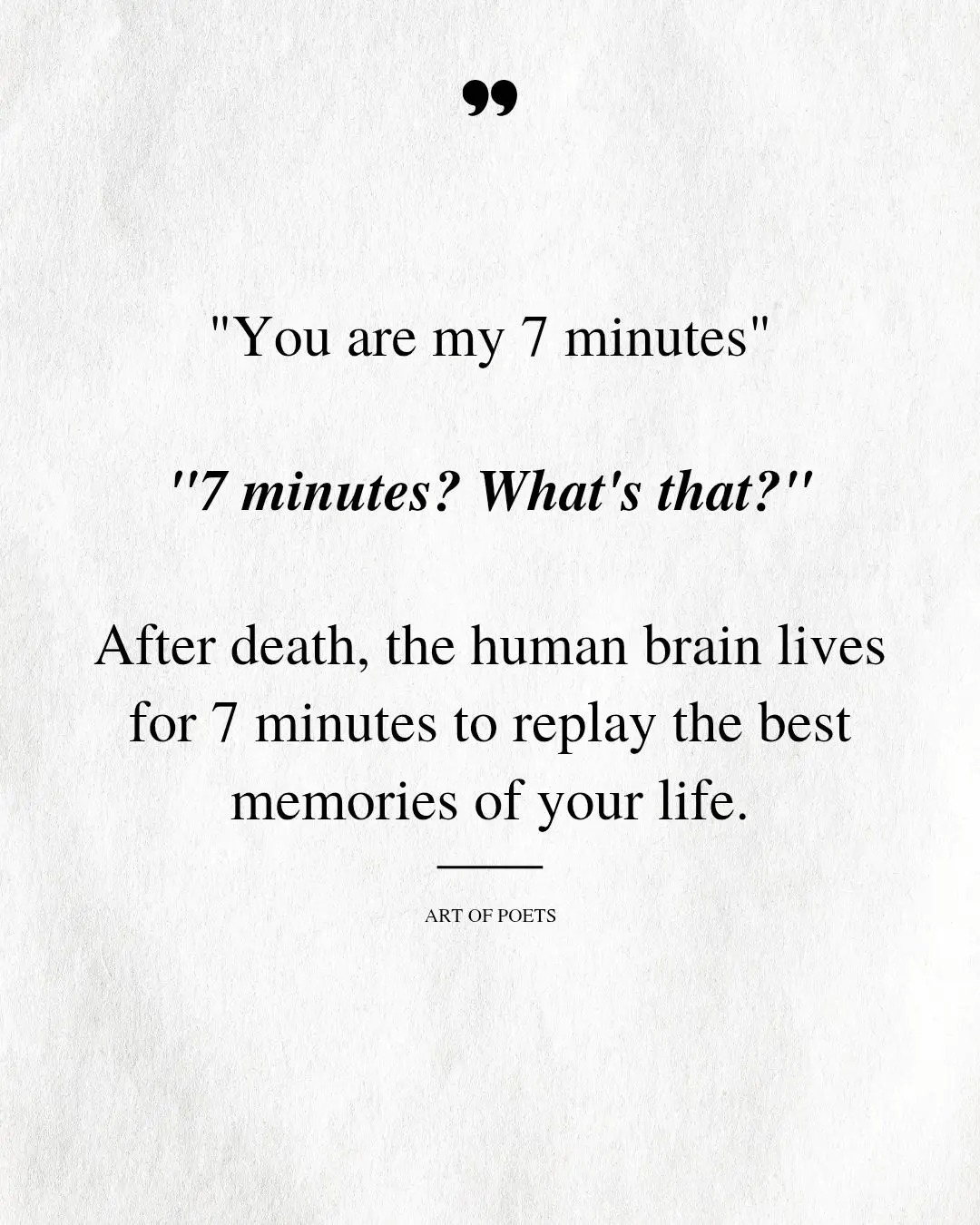
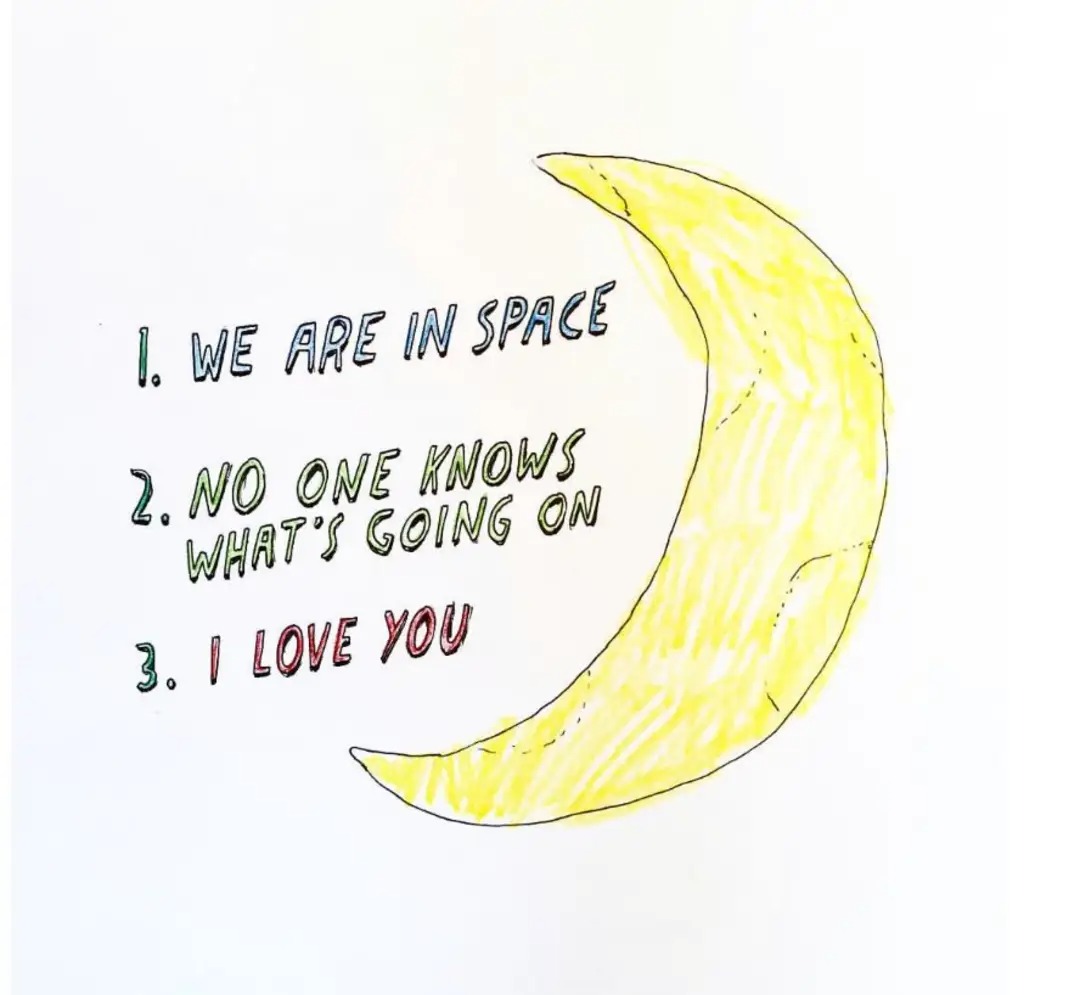
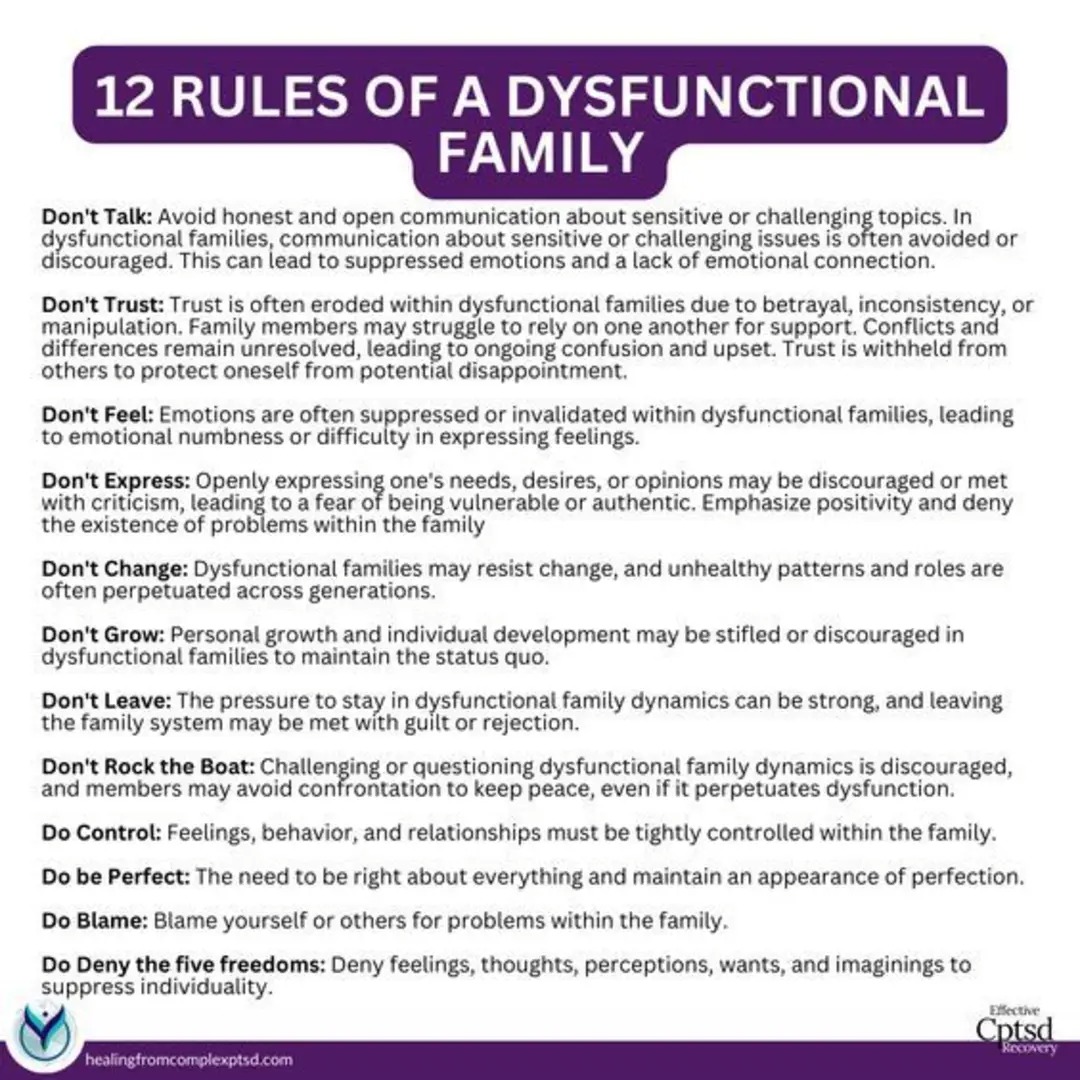
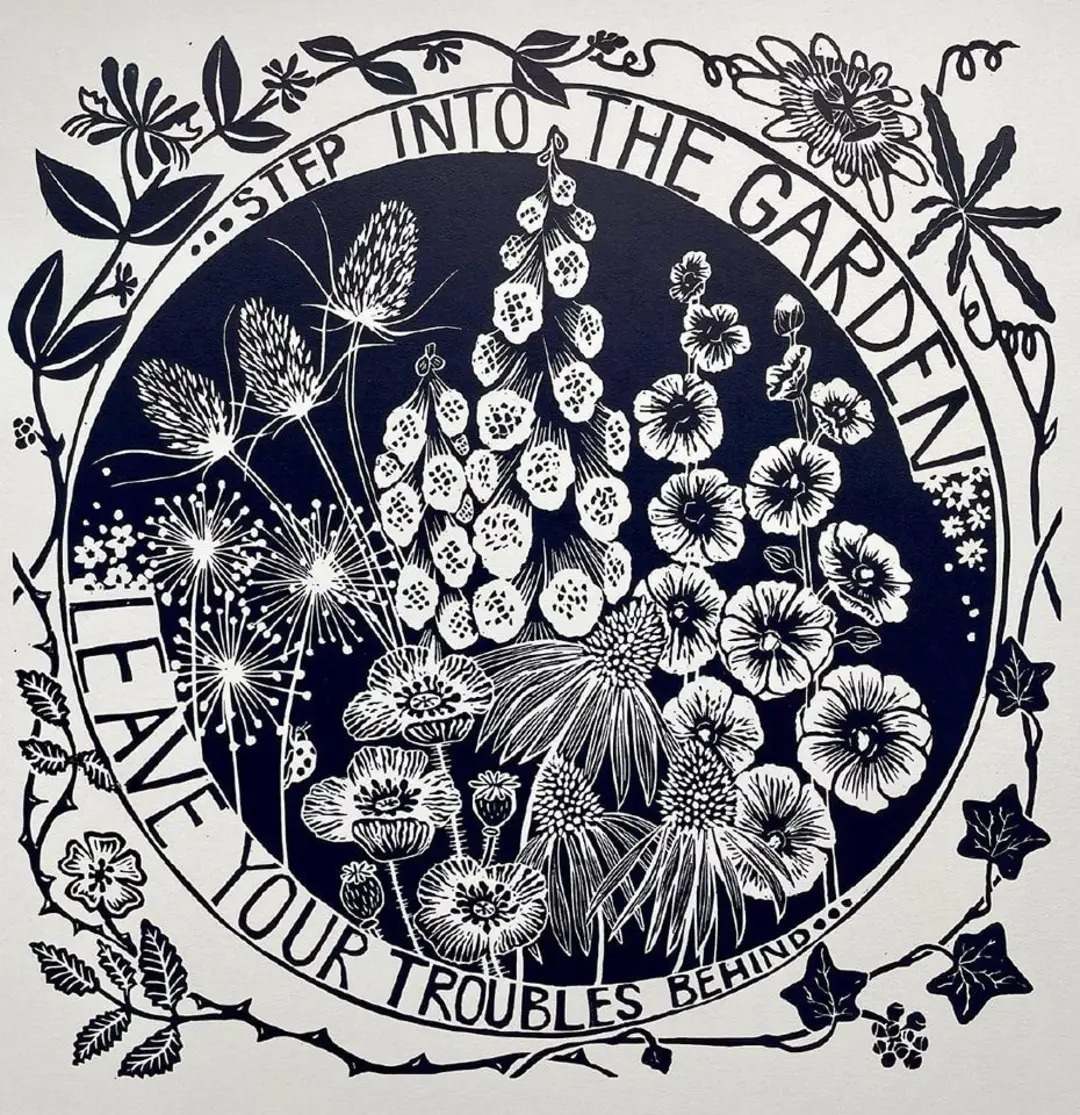
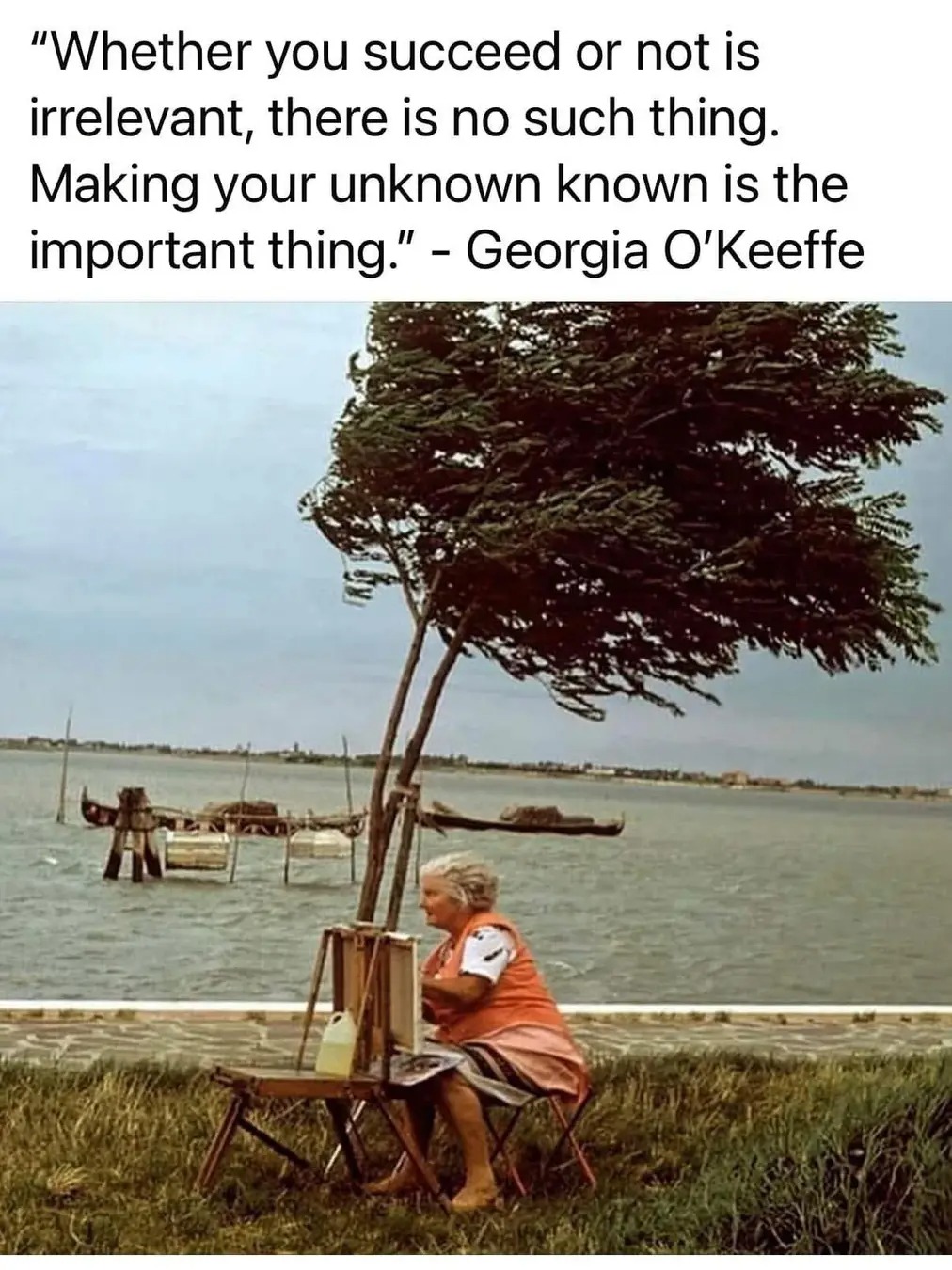
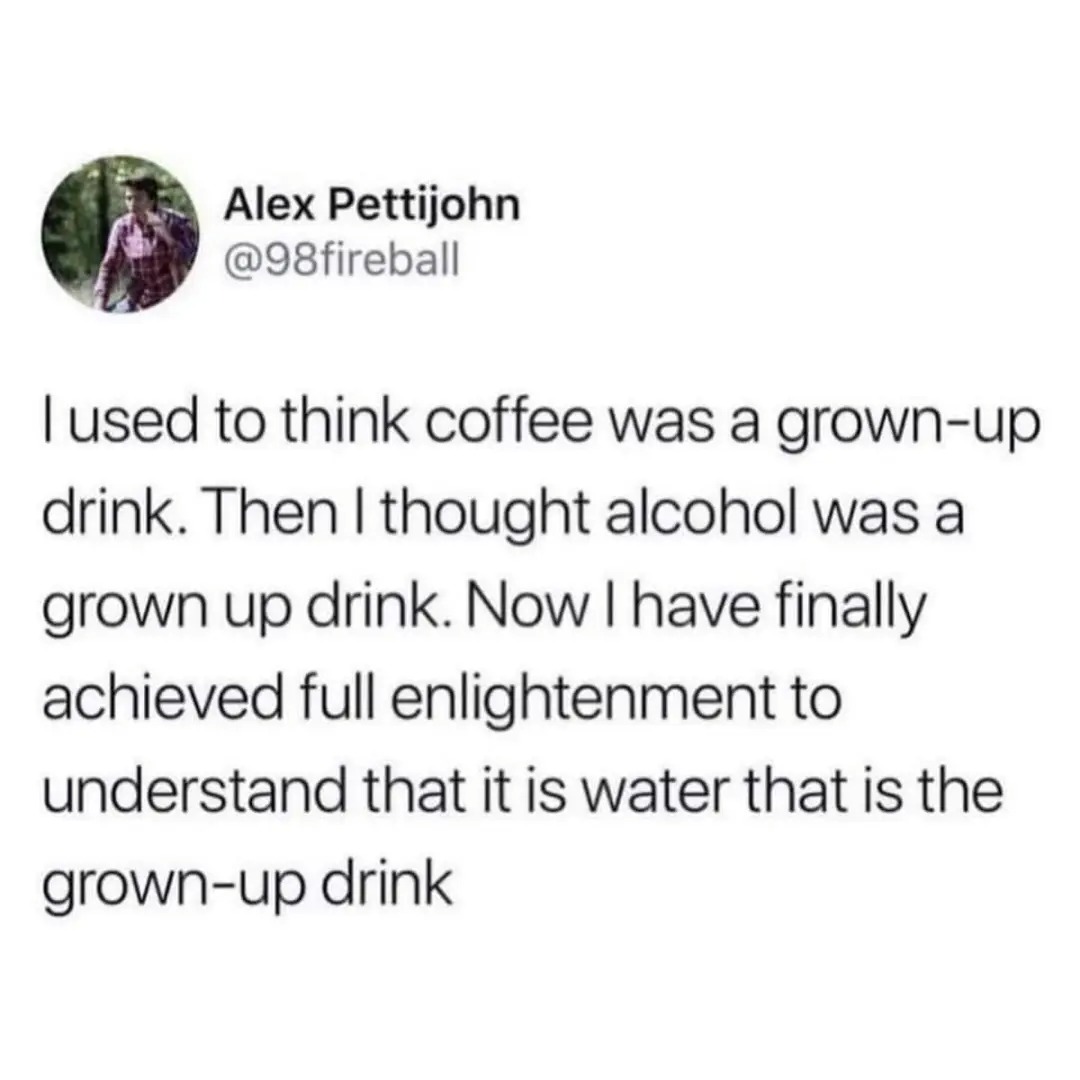
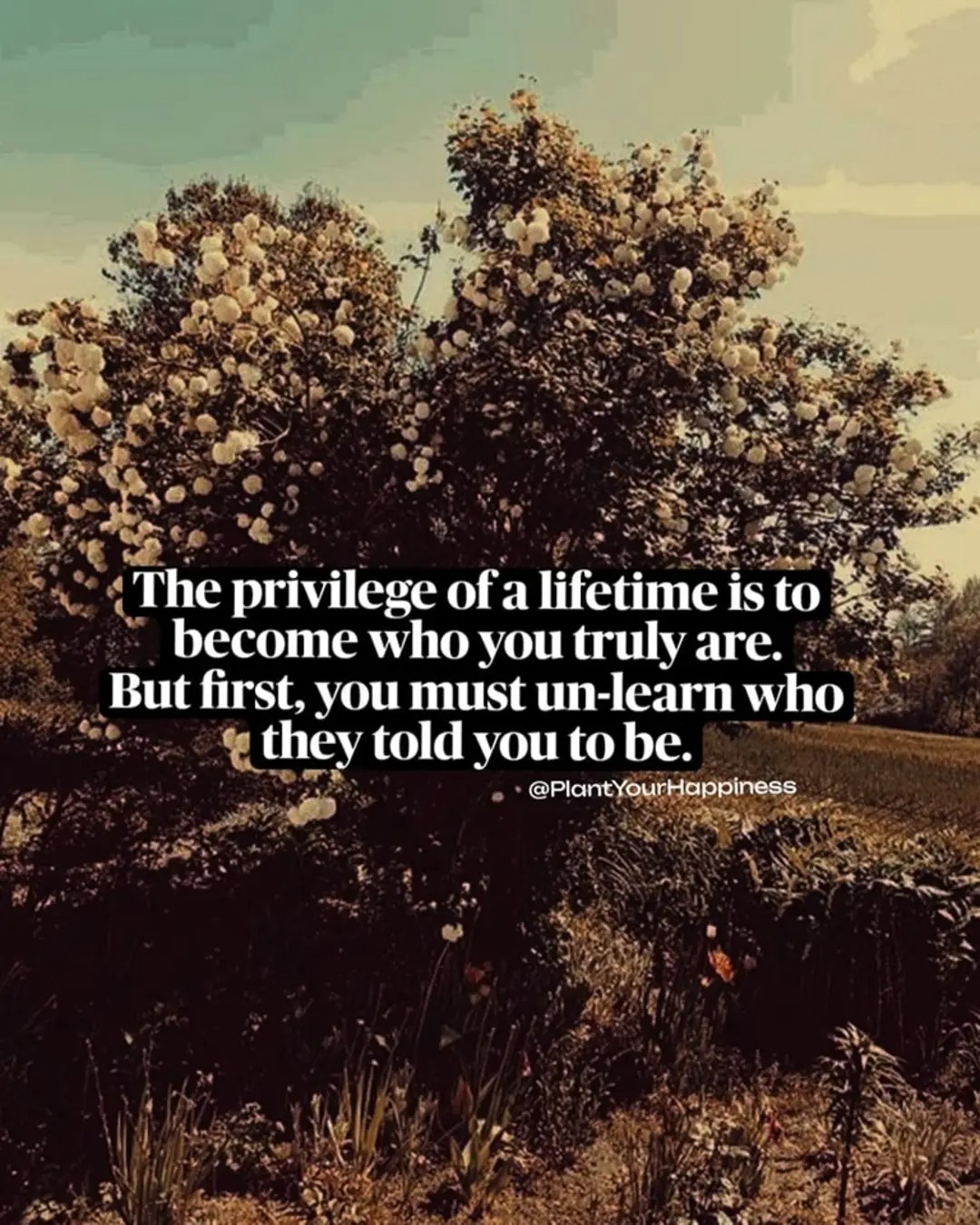
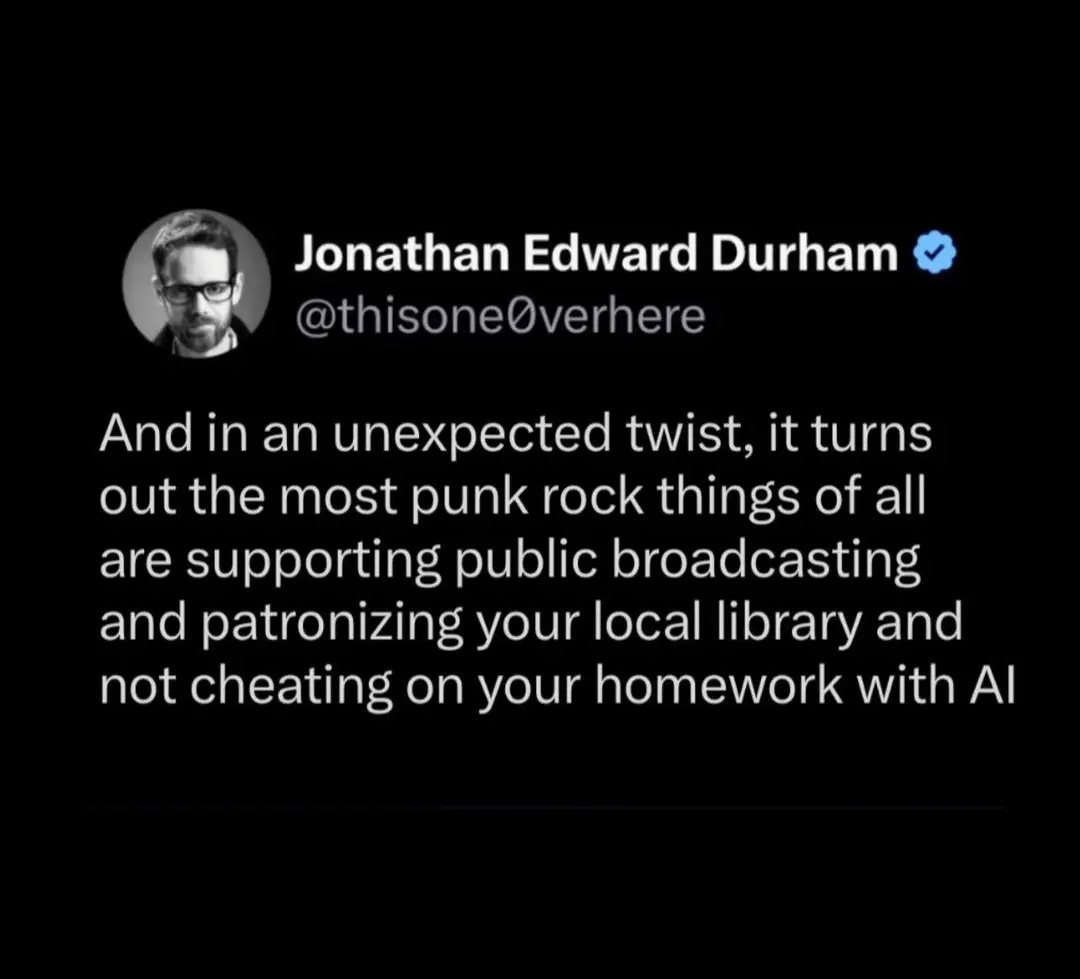
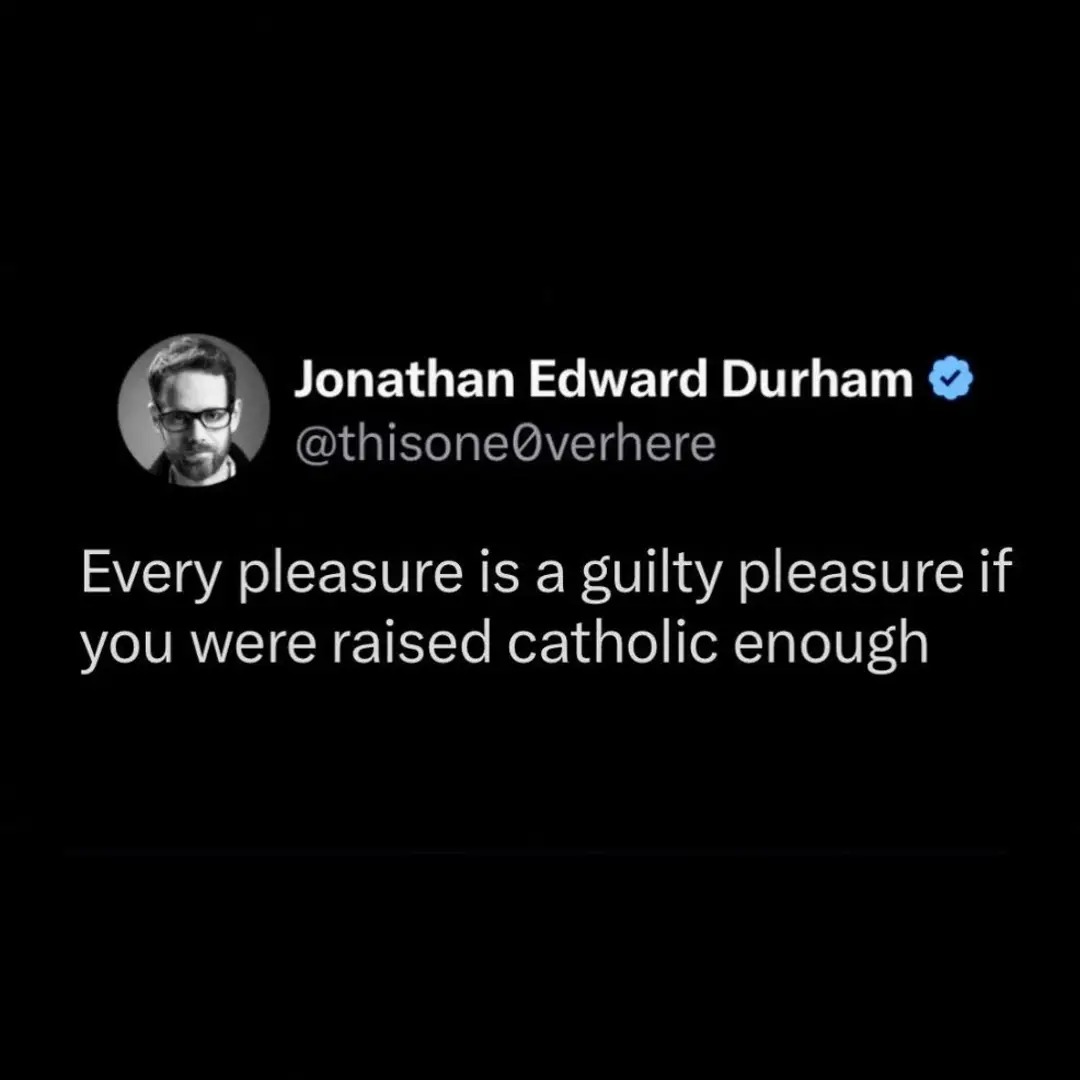
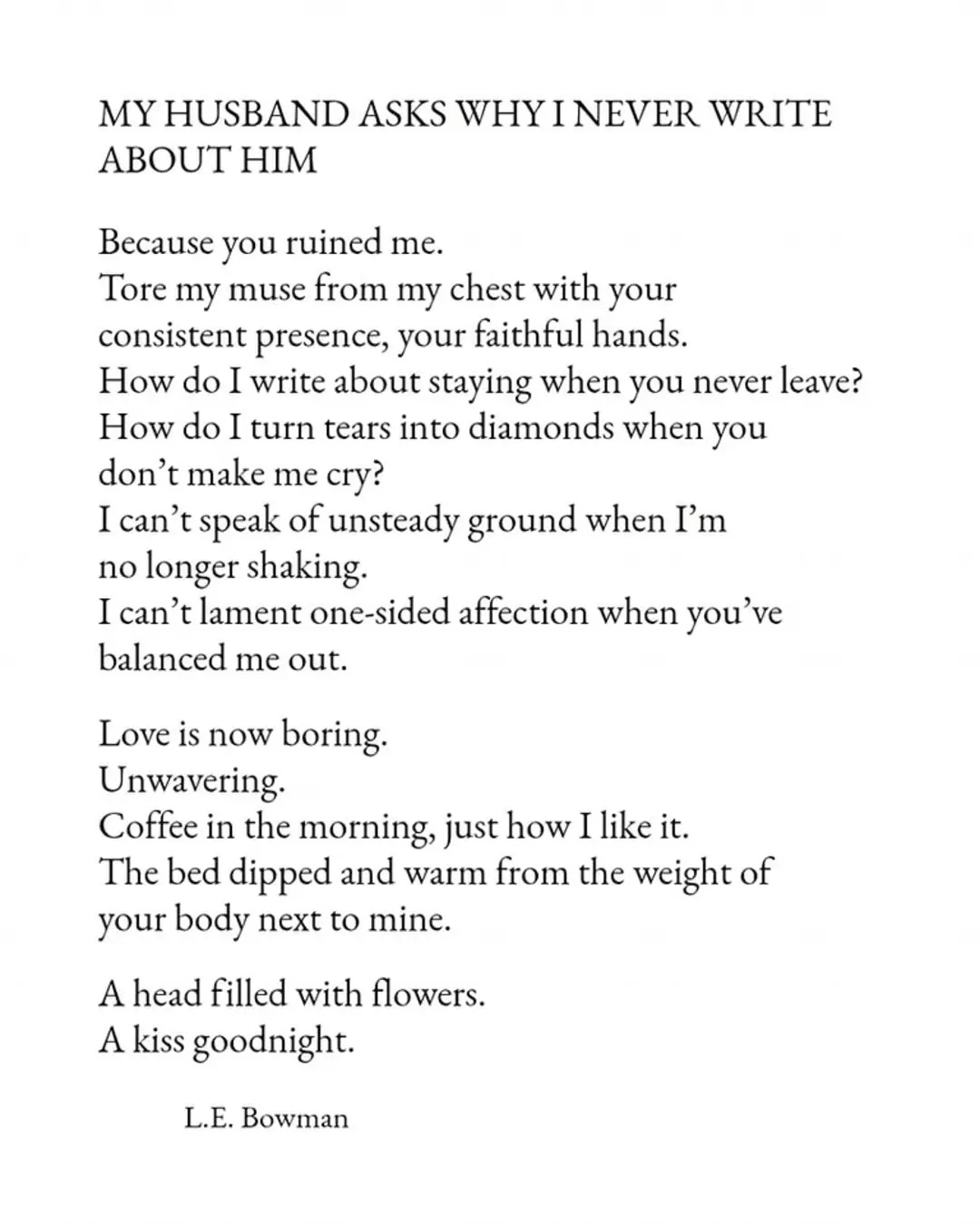
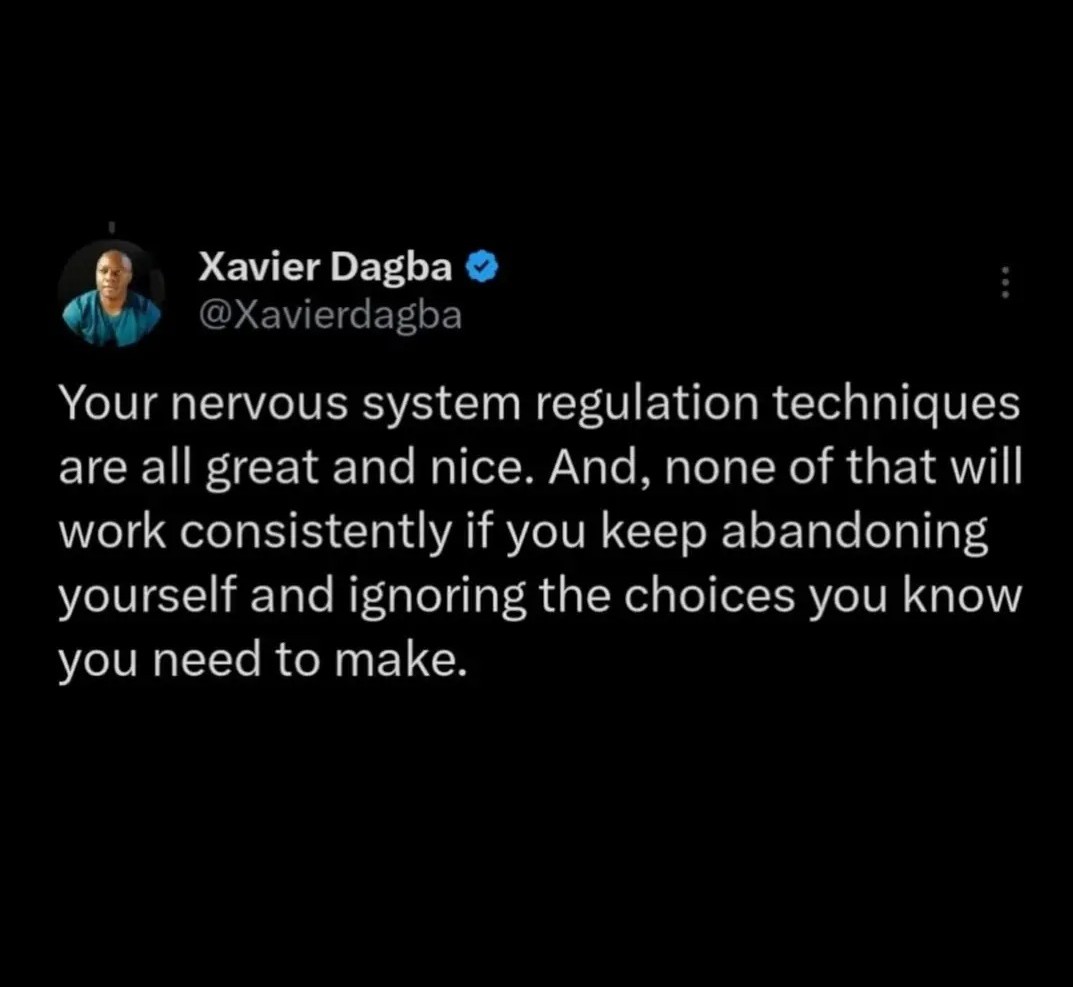
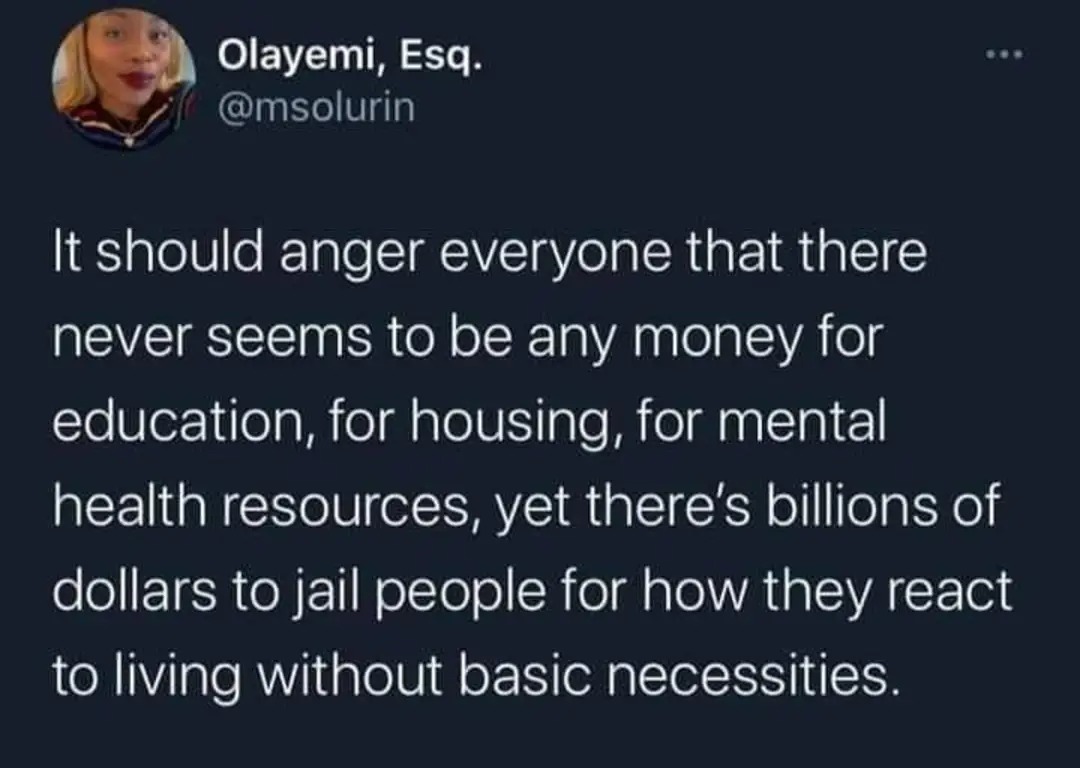
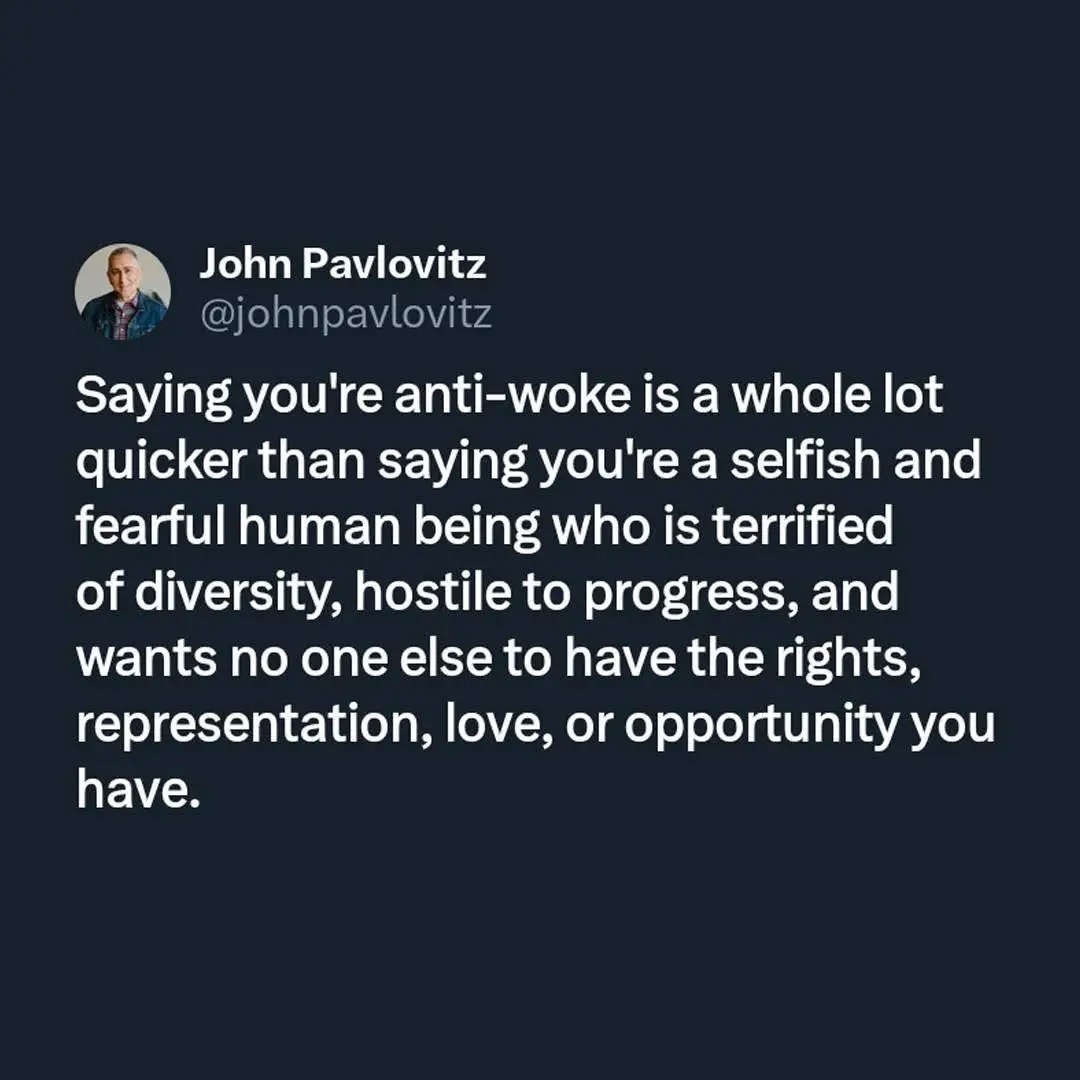
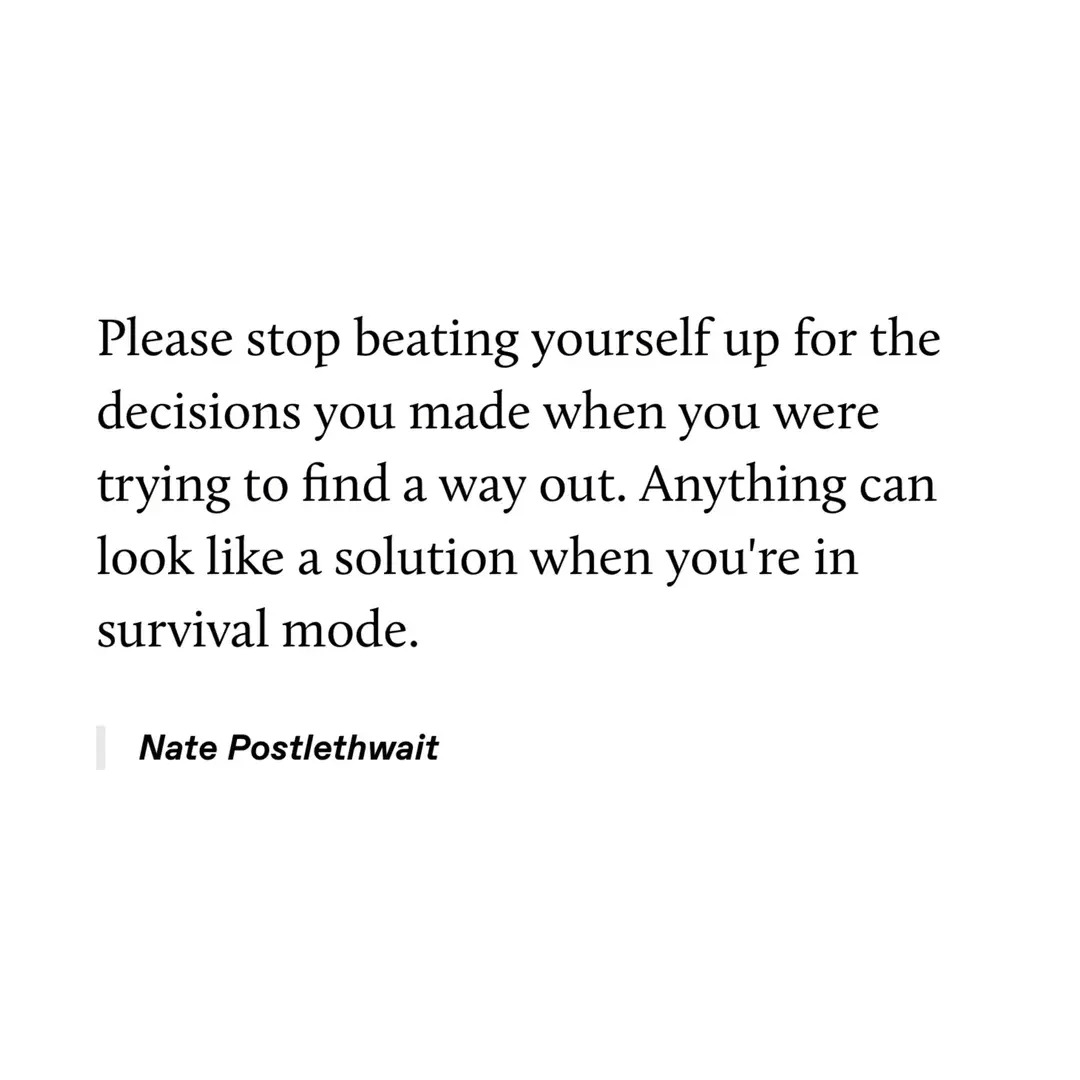
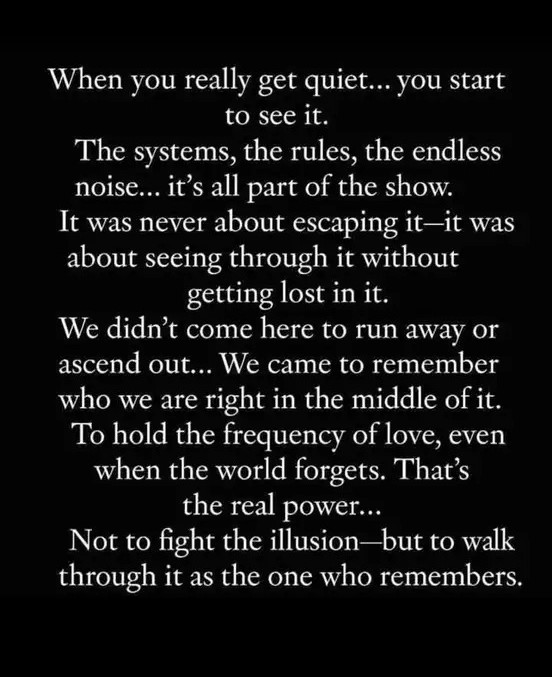
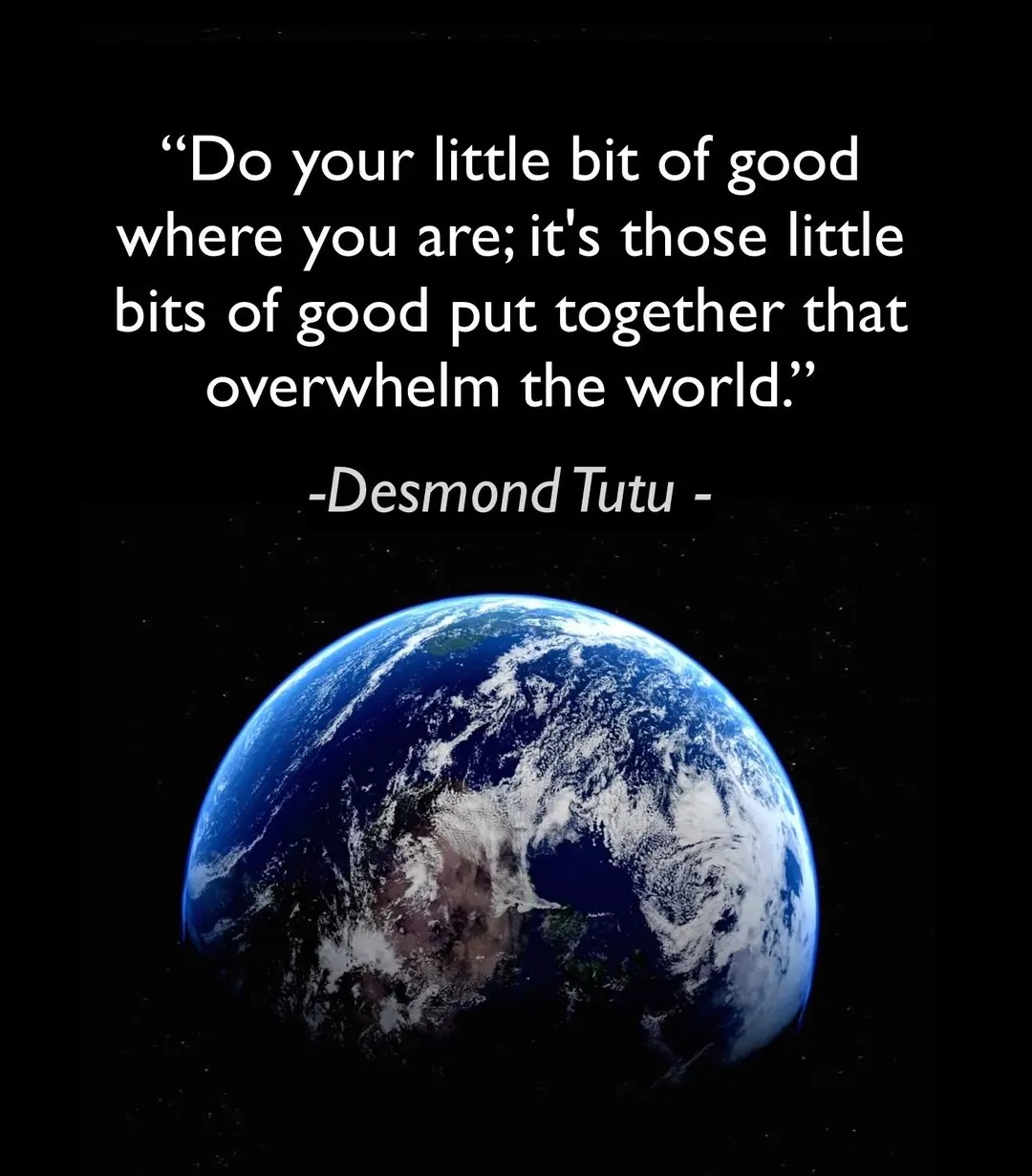
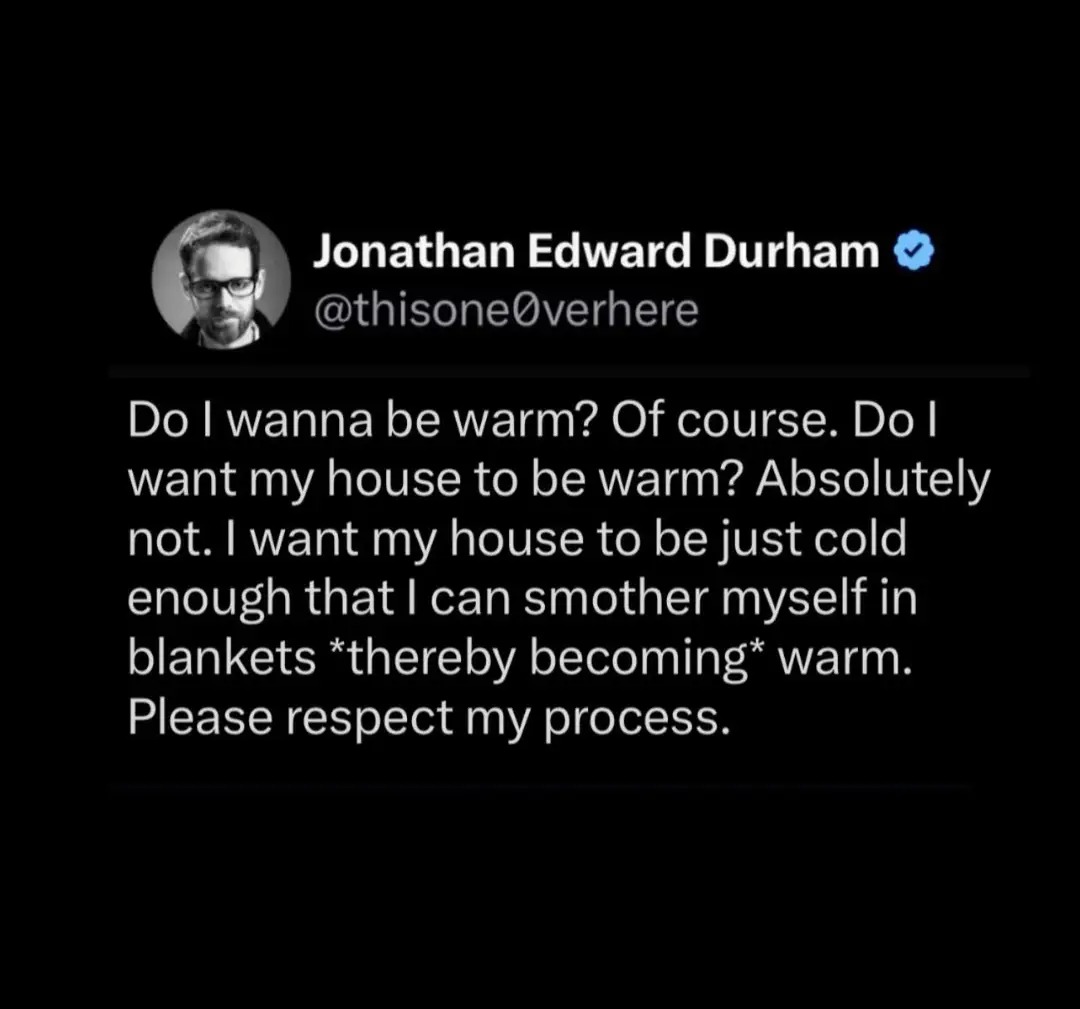
31. And finally, this random collection of things I saved to my phone this week.
 Open Space Practice, (AKA: A Thousand Shades of Gray)